



Last updated: July 2026
Roughly half the home spa briefs that reach us start with the same either/or: “steam shower or sauna?” It is the wrong question, or at least an incomplete one, because the two do different things and, increasingly, the best home wellness rooms we build include both, sequenced together. In a recent Dubai penthouse we delivered a single glazed wet zone holding a steam shower and, one step away, a compact infrared sauna, so the owner moves from moist heat to dry heat without leaving the room.
This guide settles the steam shower versus sauna question honestly: how each works, the real health differences, whether you should combine them, and how a combined steam shower and sauna is actually built, with costs in AED. It draws on 38 years of manufacturing steam rooms and saunas at Sauna Dekor and the practical detail that showroom comparisons leave out.
Planning a steam shower, sauna, or both for your home? Explore our steam rooms and saunas, or request a free consultation.
What is the difference between a steam shower and a sauna?
The core difference is the heat: a steam shower delivers moist heat at around 40–45°C with 100% humidity, while a sauna delivers dry heat at 70–100°C with low humidity. A steam shower feels enveloping and gentle at a lower temperature because the wet air carries heat efficiently; a sauna feels intensely hot but dry, and lets the body sweat freely.
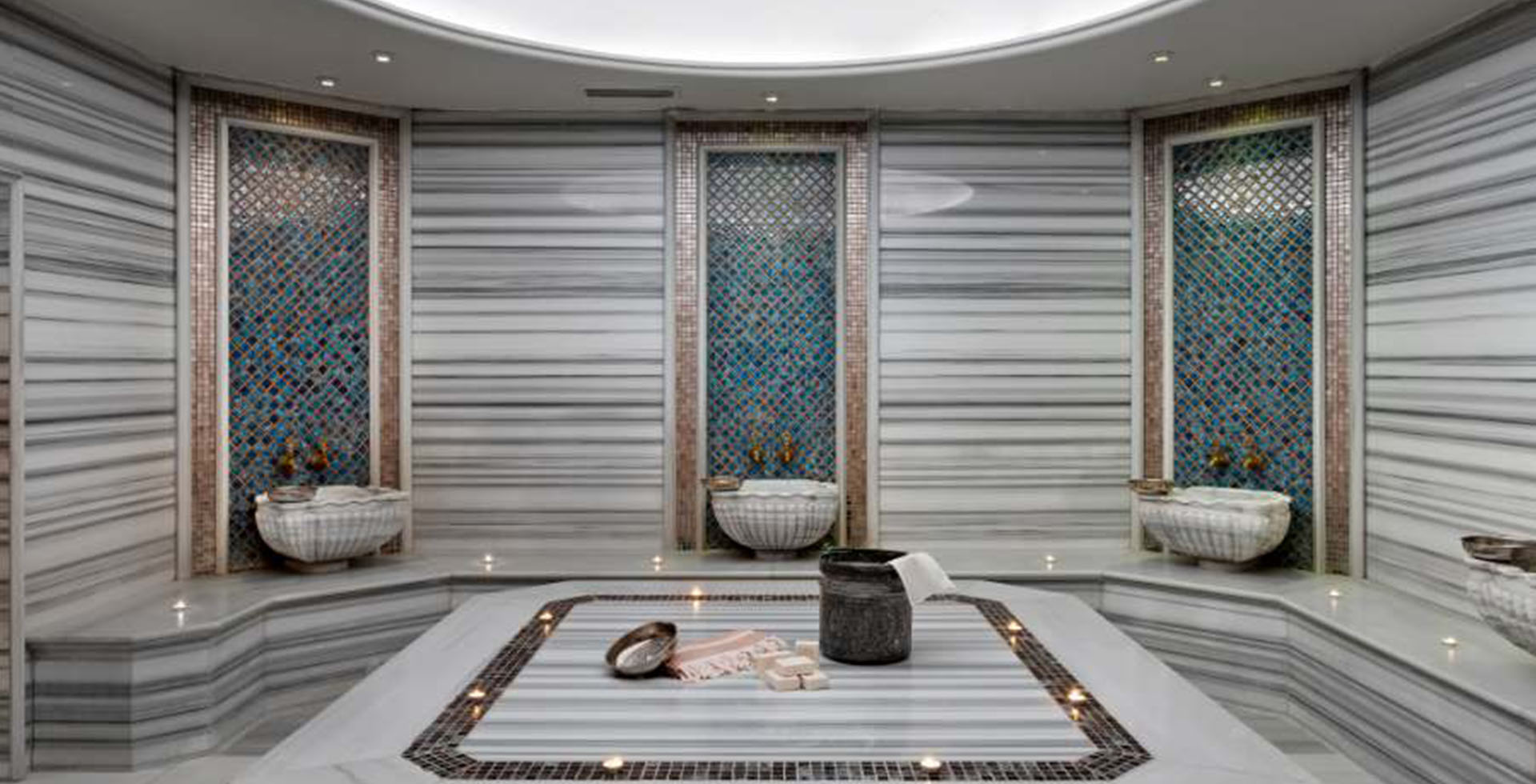
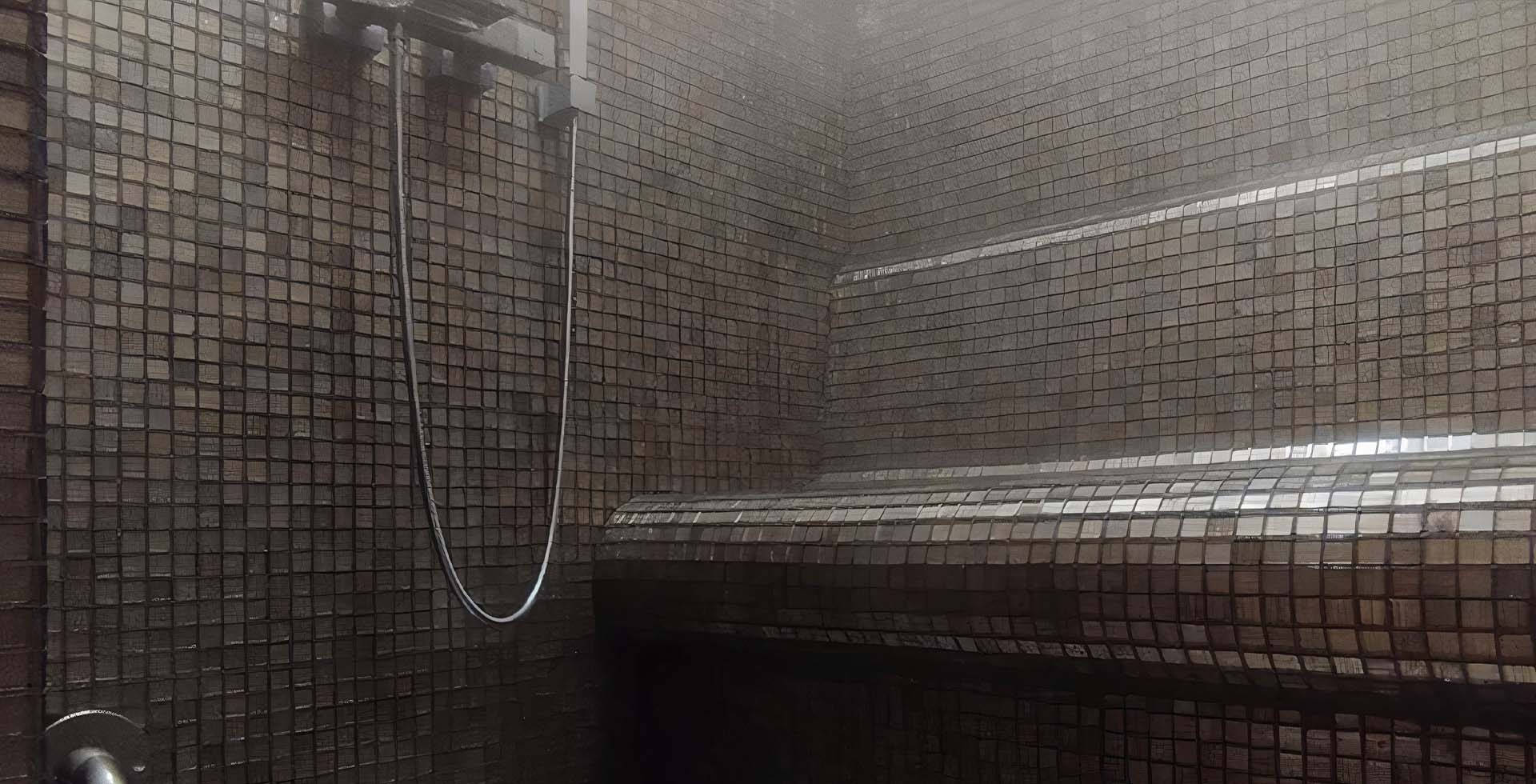
They are also different objects. A steam shower is a sealed shower enclosure with a steam generator, doubling as a normal shower. A sauna is a dedicated timber-lined room heated by a sauna heater. This distinction matters for space, cost, and how each fits a home.
| Steam shower | Sauna | |
|---|---|---|
| Heat type | Moist, 100% humidity | Dry, low humidity |
| Temperature | 40–45°C | 70–100°C |
| Feel | Enveloping, gentle | Intense, dry heat |
| Room | Sealed shower enclosure | Timber-lined room |
| Doubles as | A normal shower | Nothing else |
| Typical size | 1–2 m² | 2–6 m² |
For a deeper look at the room-scale comparison, see our guide to sauna vs steam room.
What are the health benefits of each?
Both steam showers and saunas deliver the documented benefits of heat bathing, relaxation, improved circulation, and post-exercise recovery, with each having its own emphasis. The sauna has the deeper research base, with long-term studies linking regular sauna use to significant cardiovascular benefits (Laukkanen et al., 2018); the steam shower’s moist heat is often preferred for respiratory comfort and skin.
- Sauna strengths: higher temperature and cardiovascular load, heavier sweat, the strongest heat-therapy evidence, and a dry heat many find more tolerable for longer.
- Steam shower strengths: moist heat that soothes airways and sinuses, gentler temperature for those who find dry saunas too intense, and skin hydration.
Neither is objectively “better”; they suit different bodies and goals, which is precisely the argument for combining them.
Should you combine a steam shower and a sauna?
If space and budget allow, combining a steam shower and a sauna gives you both moist and dry heat and enables contrast and sequencing that neither delivers alone. The combination lets a household match the modality to the day, gentle moist heat one evening, intense dry sweat after training, and lets one person move between them in a single session.
This is why the steam-and-sauna combination is one of the most searched home wellness setups and one we increasingly build as a single zone. Placing a steam shower and a sauna together, sharing a wet zone and a glazed threshold, turns two separate rooms into a compact private spa. It is also the natural home foundation for contrast bathing when paired with a cold shower or plunge.
How is a combined steam shower and sauna built?
A combined steam shower and sauna is built as one waterproofed, well-ventilated wet zone containing a sealed steam enclosure and a separate timber sauna cabin, sharing drainage and services but kept as distinct climates. The engineering challenge is holding two very different environments, 45°C and saturated versus 90°C and dry, side by side without one undermining the other.
The build essentials we plan for:
- Waterproofing (tanking): the steam zone fully tanked, floor to ceiling, before any stone or tile.
- Steam generator: correctly sized to the enclosure volume, with drainage and descaling access, important in Dubai’s hard water.
- Sauna cabin and heater: a dedicated timber room with the right heater and airflow, kept dry.
- Ventilation: managing the steam room’s humidity and protecting the surrounding home from moisture.
- Glazing and separation: a glazed threshold keeps the two climates distinct while making the space feel open.
Because this combines two systems in one wet zone, single-source design and build, rather than separate contractors for steam, sauna, and waterproofing, is what prevents the moisture failures that plague DIY combinations. It is a natural centerpiece of a home spa or private spa.
What does a steam shower, sauna, or combo cost in 2026?
In the Gulf in 2026, a quality steam shower runs from roughly AED 40,000, a custom home sauna from roughly AED 60,000, and a combined steam-and-sauna wet zone from roughly AED 150,000, depending on size, finishes, and the extent of waterproofing and stone. The main cost drivers are the same as any wet build: tanking, drainage, marble or tile, and the generators and heaters.
| Configuration | Typical cost (AED) | Notes |
|---|---|---|
| Steam shower (custom) | 40,000–120,000 | Doubles as a shower |
| Custom home sauna | 60,000–180,000 | Finnish or infrared |
| Combined steam + sauna zone | 150,000–400,000 | Shared wet zone, two climates |
An infrared sauna is a lower-temperature, lower-cost alternative to a traditional Finnish sauna and pairs particularly gently with a steam shower for those who prefer milder heat.
Frequently asked questions
Is a steam shower or sauna better for you?
Neither is universally better. Saunas offer higher heat and the strongest cardiovascular evidence; steam showers offer gentler moist heat that many prefer for breathing and skin. The best answer for many homes is both.
Can you put a steam shower and sauna together?
Yes, and it is increasingly common. They share a waterproofed wet zone but stay as separate climates, a steam enclosure and a timber sauna cabin, usually divided by a glazed threshold.
Is a steam shower the same as a steam room?
Broadly the same principle at different scales. A steam shower is a compact sealed enclosure that also functions as a shower; a steam room is a larger dedicated room. Both use a steam generator to produce moist heat.
Which is cheaper, a steam shower or a sauna?
A steam shower is often the lower entry cost and saves space by doubling as a shower, but costs converge at the premium end where marble, size, and waterproofing dominate the budget.
Do steam showers cause mould or damage?
Only if built badly. A properly tanked, ventilated steam enclosure contains moisture completely. Failures come from inadequate waterproofing or ventilation, which is exactly why the build matters more than the fittings.
Sources
- Laukkanen, J. A., et al. (2018). Cardiovascular and Other Health Benefits of Sauna Bathing. Mayo Clinic Proceedings, 93(8), 1111-1121. Full text
Ready to plan a steam shower, a sauna, or both? Our team designs and builds combined wet zones, waterproofing, steam, sauna, stone, and glazing, as one accountable project. Request a free consultation and we will recommend the right configuration with costs in AED for your space.


