

Istanbul
+90 (532) 215 64 78
info@saunadekor.com
Location
Ziya Gökalp, Metal İş Sanayi Sitesi Yolu 20. Blok No:17-19,
34490 İkitelli Osb/Başakşehir/İstanbul/Turkey
Dubai
+971 58 558 1295
info@saunadekor.com
Location
Latifa Tower Dubai, World Trade Centre, Dubai UAE
Boston
+1 (617) 645 13 50
info@saunadekor.com
Location
66 Long Wharf, Unit 4B, Boston, MA 02110 USA

Interior design is the art and science of enhancing the interiors.
Ziya Gökalp, Metal İş Sanayi Sitesi Yolu 20. Blok No:17-19, 34490 İkitelli Osb/Başakşehir/İstanbul/Turkey
+90 532 215 64 78
info@saunadekor.com.tr

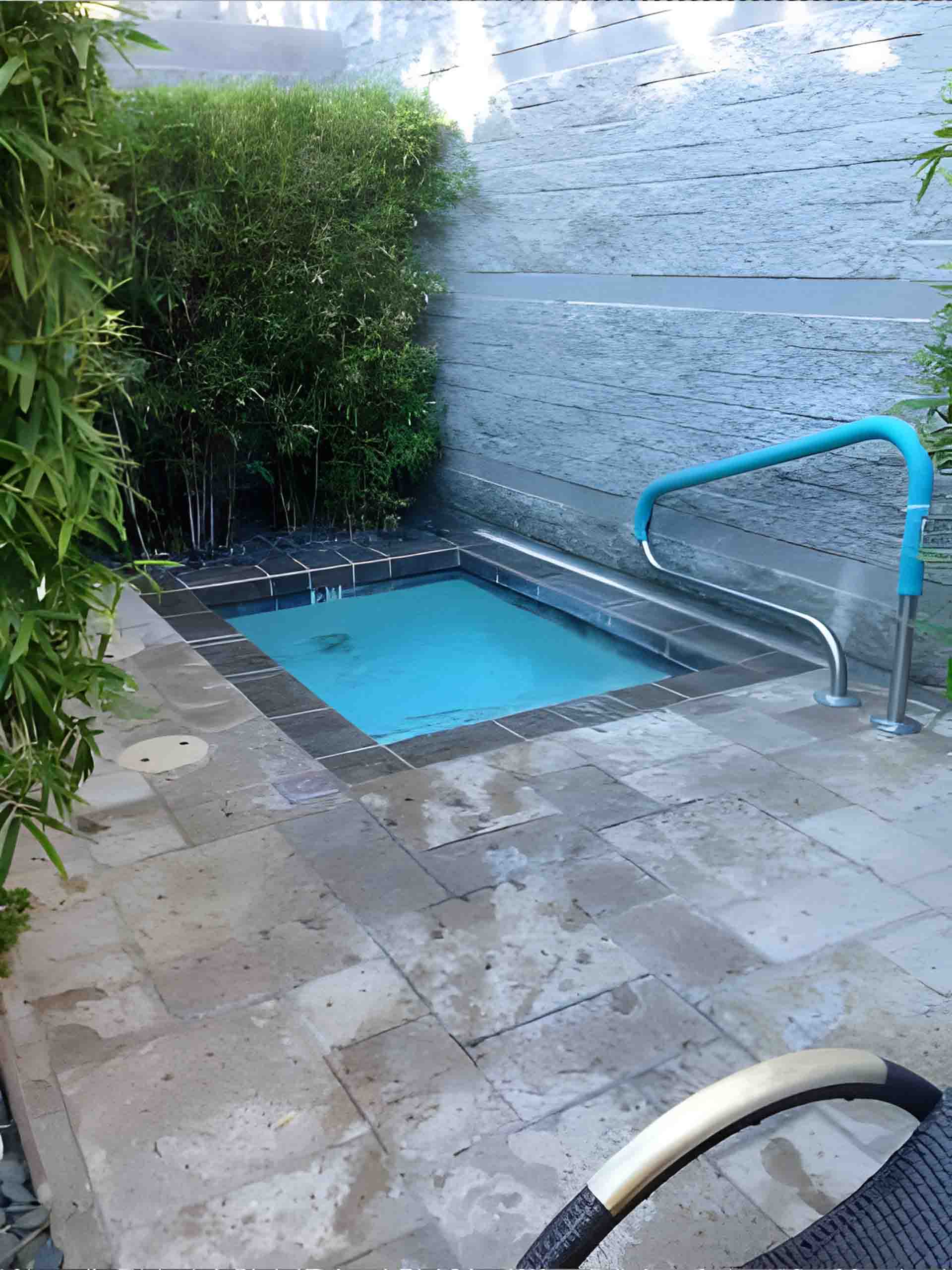
Sauna Dekor builds cold plunge pools for hotels, spas and private villas in Dubai, Abu Dhabi and across the UAE, manufacturing in Istanbul since 1987 — our 40th year — with wellness projects delivered in more than 35 countries. A cold plunge pool holds water between 5 °C and 15 °C (41–59 °F); at that temperature the chiller, the turnover rate and the material choice matter more than the shell. We engineer and install the complete system — tank, chiller, filtration and controls — rather than supplying a tub. Sauna Dekor offers a wide range of services, whether you are planning a commercial cold plunge installation, designing a cold plunge pool for home, or searching for a reliable cold plunge pool manufacturer, we are professionals in making personalized spa settings, and we make in-ground cold plunge pools, indoor cold plunge tubs, and portable cold plunge solutions that are built to endure, perform well, and be pleasant for a long time.
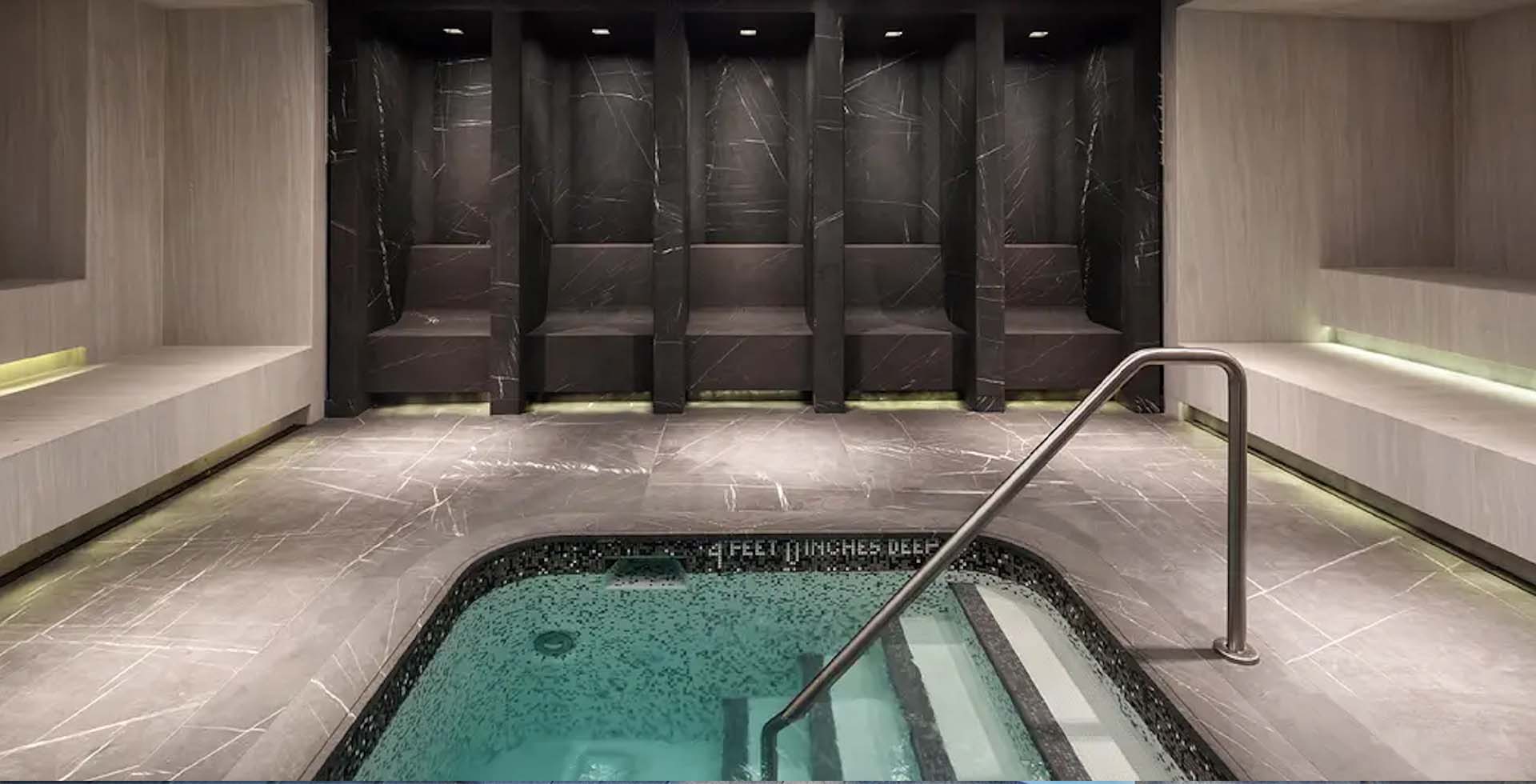
A cold plunge pool, which is sometimes called a cold plunge tub or ice bath, remains between 5°C and 15°C (41°F and 59°F). People often use these systems with saunas or steam rooms. They provide the body a temperature difference that creates a controlled temperature contrast against the heat rooms beside it.
Sauna Dekor can help you for tailored consultation and implementation of design custom cold plunge designed for a spa, a cold plunge for sale as part of a residential wellness suite, or an outdoor cold plunge pool that blends into natural landscaping,
The major aim of interior installations is to control humidity and keep noise out. Outdoor versions include plumbing that won't freeze, controls that are safe from the weather, and superior designs for drainage.
Not only do our cold plunge units work well, but they also look excellent in your home or spa. We work with architects and interior designers to make sure that the finishes we choose fit in with the overall look of the design.
Maximize your contrast therapy with our custom sauna designs. Add an ice fountain or shock bucket for the complete cold therapy experience.
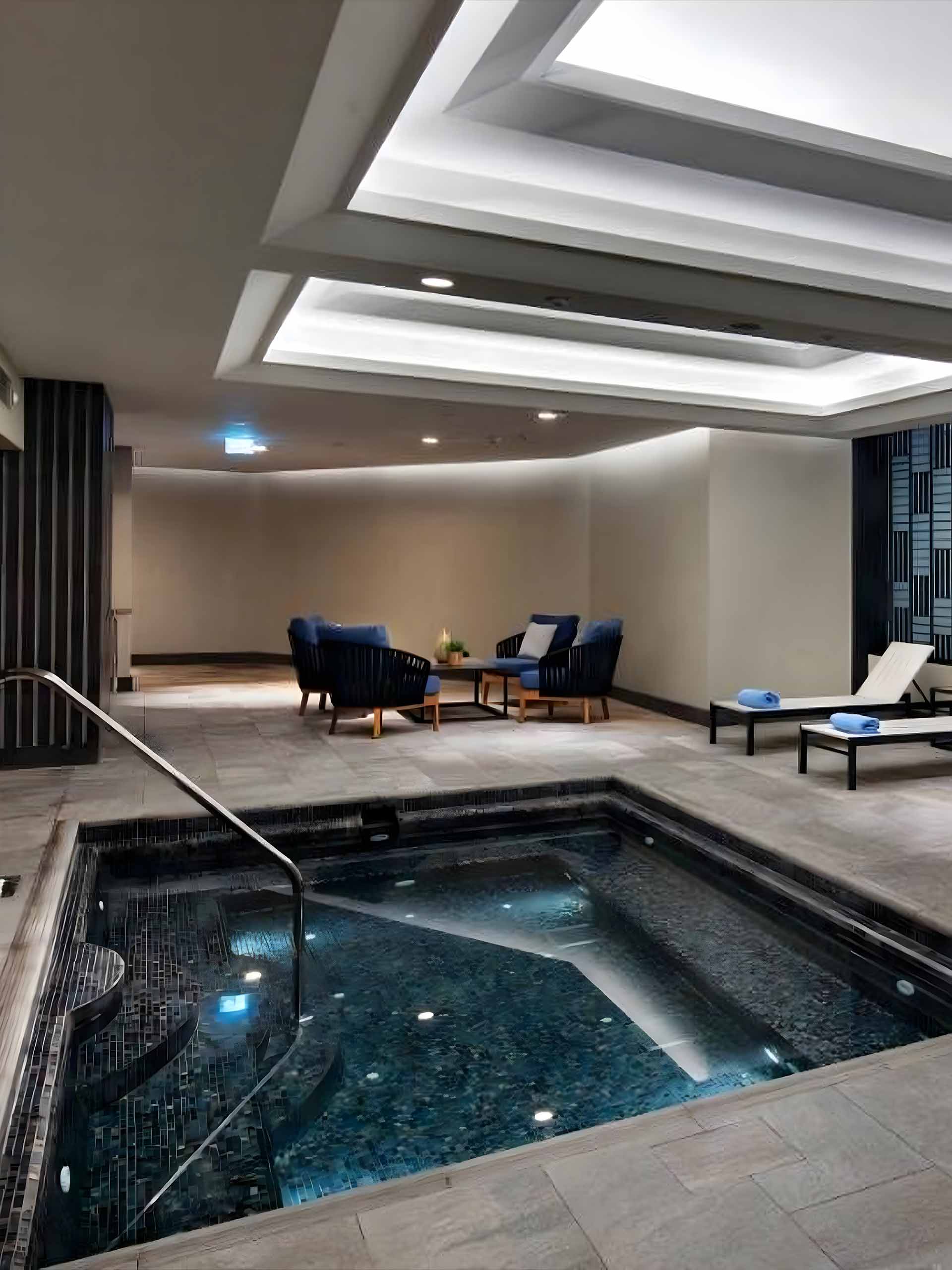
Three decisions set the cost and the life of a cold plunge, and they are taken in this order: what the vessel is, how the water is kept cold, and what it is made of. Everything else — step seats, lighting, handrails, the finish around it — follows.
Ice keeps a tub cold for one session and costs somebody an hour a day. A chiller keeps it at setpoint continuously and is the only workable answer in the Gulf, where ambient temperature is working against the water for most of the year. Chiller duty follows water volume, target temperature, ambient air temperature and how often the water is disturbed — a commercial plunge in a hot plant room needs materially more duty than the same volume in a conditioned villa basement. Filtration and disinfection are separate systems from the chiller and have to be sized separately.
| Material | Strengths | Limits | Belongs in |
|---|---|---|---|
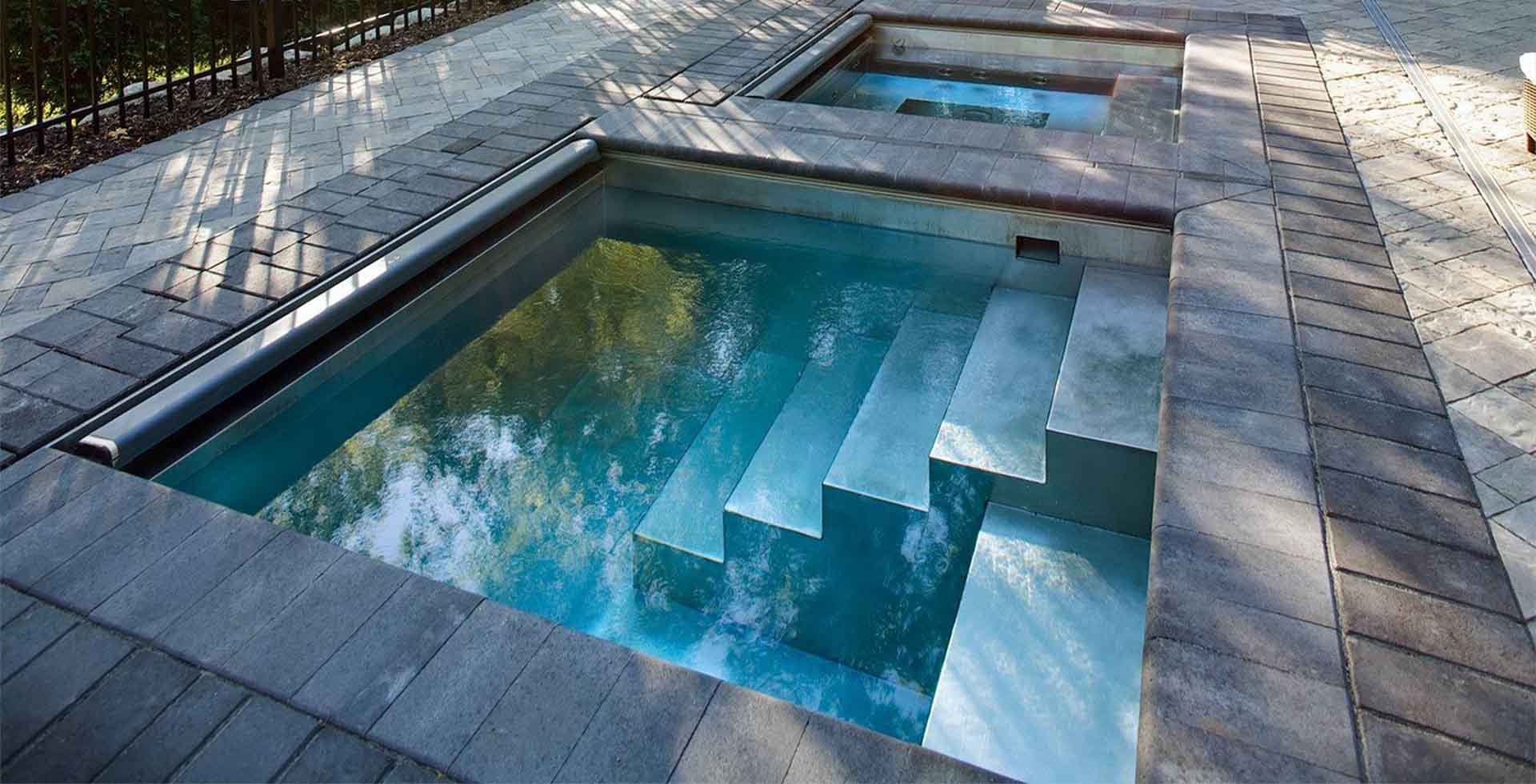
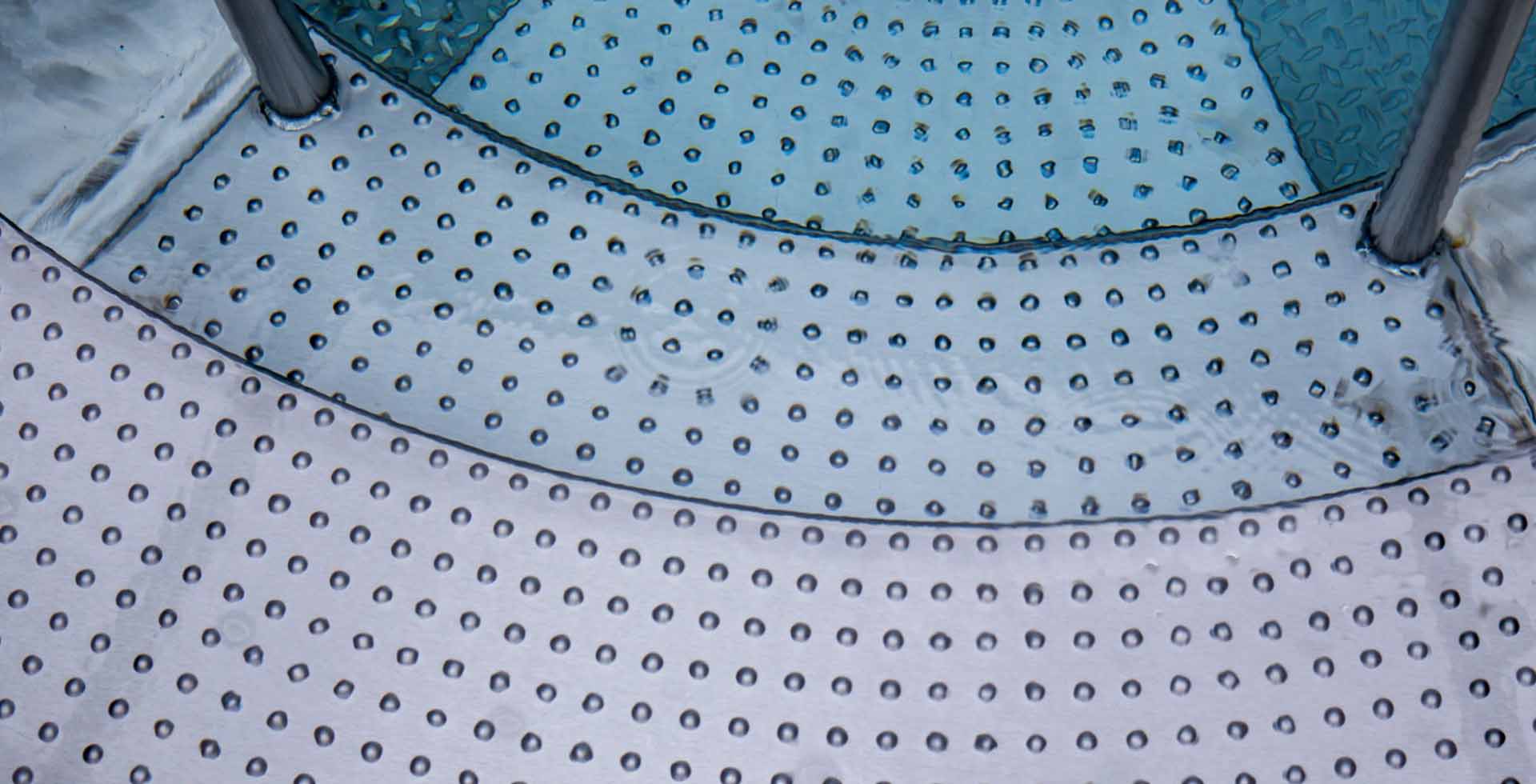
| Stainless steel AISI 316 | Corrosion resistant, non-porous, cleans to a hygienic standard, long service life, welded seamless corners | Highest material cost; needs correct grade and passivation, and shows water marks if not maintained | Commercial spas, hotel wellness floors, high-turnover villa installations |
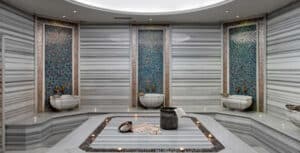
| Tiled or mosaic concrete | Any geometry, integrates with the architecture, very long structural life | Grout is the weak point under chemical cleaning; waterproofing must be perfect before the first tile | Built-in plunges detailed to match a pool or hammam |
| Acrylic | Smooth, light, easy to clean, quick to install | Scratches, and limited on span and geometry | Plumbed-in villa tubs |
| Fibreglass / GRP | Light, monolithic, no joints to leak, cost effective | Gelcoat degrades under UV and aggressive chemicals; repairs are visible | Portable and semi-permanent tubs |
| Timber (cedar, teak) | Traditional appearance, warm to touch on the rim | Needs sustained maintenance to stay watertight and hygienic; not suitable for commercial duty | Private outdoor installations where the look is the point |
On the operating side, our guides cover what temperature a cold plunge should run at, how cold plunging is used, and how sauna and cold plunge are sequenced together. For the Gulf-specific version — ambient loads, plant sizing and approvals — see ice baths and cold plunges in Dubai, and for the difference between a filled ice bath and an engineered plunge, see what an ice bath is.
| Band | Water temperature | Typical immersion | Used for |
|---|---|---|---|
| Mild | 13–20 °C | Long — over 15 minutes | Acclimatisation and general wellness use |
| Moderate | 9–12 °C | Medium — 10–15 minutes | Regular users and contrast circuits |
| Cold | 5–8 °C | Short — under 10 minutes | Post-exercise recovery and muscle soreness |
| Commercial / hotel amenity | 8–12 °C set point | 1–3 minutes per immersion | Hotel and spa duty, up to 14 operating hours a day |
The temperature and duration classes above come from a 2026 systematic review and network meta-analysis in BMC Sports Science, Medicine and Rehabilitation, which pooled 87 randomised controlled trials and 2,313 participants. They are a design vocabulary for specifying a pool, not medical advice: how long an individual should stay in cold water is a question for their doctor. Our UAE builds are commissioned inside the 5–15 °C band, with hotel installations held at an 8–12 °C set point.
| Home ice bath | Commercial cold plunge | |
|---|---|---|
| Water temperature | 5–15 °C | 8–12 °C set point, held under bather load |
| Chiller control range | 2–40 °C, chill and heat | 2–40 °C, sized to hold set point through peak use |
| Disinfection | UV-C plus cartridge filtration | UV-C plus fine filtration on a documented service schedule |
| Duty | Occasional daily use | Up to 14 operating hours a day, seven days a week |
| Shell | Stainless-steel liner with timber or composite surround | Stainless steel, tiled or microcement, detailed into the room |
| Approvals in Dubai | DEWA for the electrical supply | DEWA, Dubai Municipality and Dubai Civil Defence |
| Pricing basis | Quoted per unit against the drawings | Quoted per position; multiple plunges can share plant |
A cold plunge pool holds water between 5 °C and 15 °C (41–59 °F). For hotel and spa duty we commission to an 8–12 °C set point, because that band is cold enough to be worth the plant and stable enough to hold through a busy afternoon with bathers entering and leaving.
Published protocols group by temperature: short immersions under 10 minutes in cold water at 5–8 °C, medium 10–15 minutes at 9–12 °C, and longer sessions in mild water at 13–20 °C. In a commercial spa circuit we design for 1–3 minutes per immersion. How long you personally should stay in is a question for your doctor.
Duty rating and water treatment. A home tub cools an occasional bather; a hotel plunge holds its set point for up to 14 hours a day with people entering continuously, which needs a chiller sized for bather load, UV-C with fine filtration rather than a cartridge, and a shell detailed into the room instead of a free-standing tub.
Chiller capacity follows four things: water volume, the target set point, the ambient temperature of the plant space and the bather load at peak. A unit that reaches 2 °C in an empty tub is not the same as one that holds 8–12 °C through a busy circuit. We state the selected capacity per project after those four are fixed.
Cost is driven by the chiller duty, the tank material, whether a timber base and cladding are included, and how many positions are on the same plant. We quote per project against the drawings. Built-in stainless or tiled plunges with separate plant are priced per project.
Yes. The chiller and circulation pump are a fixed electrical load and need DEWA approval, the installation needs Dubai Municipality sign-off, and a commercial facility needs Dubai Civil Defence approval. Imported equipment needs ESMA conformity. We prepare the documentation as part of the scope.
Stainless steel for a free-standing or drop-in tank, because it takes daily chemical and cold cycling without crazing. Tiled or microcement shells suit a plunge built into the room, but they depend entirely on the tanking beneath. Acrylic is a residential material; it does not survive commercial duty.
Yes — that is the point of it. A contrast circuit runs sauna or steam room, then plunge, then a rest position, and the plunge should be within a few steps of the cabin door. We plan the circuit, the drainage and the plant as one scope on our commercial spa projects.
No. A portable tub is an insulated vessel filled and drained by hand, with no civil work and no permanent drainage. A built-in plunge is a constructed, waterproofed basin with permanent supply, drainage, filtration and a chiller in a plant space. The portable tub is where most people start; the built-in plunge is what gets specified once the room is being designed rather than furnished.
Ice cools one session and has to be replaced daily. A chiller holds the setpoint continuously and is the only practical answer in the Gulf, where ambient temperature works against the water for most of the year. Chiller duty follows water volume, target temperature, ambient air temperature and how often the water is disturbed. Filtration and disinfection are separate systems and are sized separately from the chiller.
Last updated: 23 September 2026
A structural vessel or a supported shell, a chiller sized on water volume, target temperature and how often the water is disturbed, filtration and disinfection sized separately from the chiller, a plant position that is not next to a quiet room, and a tanked floor with a gully that takes the splash. Position matters as much as plant: the plunge has to sit within a few steps of the heat room, or members will not use it. How the recovery zone is sized against membership is set out in our article on gym saunas, and the contrast sequence in sauna and cold plunge.
The temperature you commit to sets the chiller, not the other way round, and a plunge specified without that number is a plunge that gets re-engineered later. The bands we design to, the pull-down time each one implies and the plant that follows are set out in our note on cold plunge temperature.
Position matters as much as plant. A plunge placed away from the heat rooms is used once and then walked past, which is why we fix the sauna and cold plunge pairing at drawing stage rather than at fit-out. In the UAE the ambient design figure changes every calculation in the chain, from chiller selection to condenser position, and that case is worked through in full on our page on ice baths and cold plunges in Dubai.

Adding {{itemName}} to cart
Added {{itemName}} to cart