


Last updated: July 2026
In April 2026, a recovery studio in Dubai Marina asked us the question we now hear monthly: “Cold plunge or cryochamber?” They had the budget for one, and their members kept asking for the walk-in chamber they had seen at Remedy Place. We built them an electric whole-body cryochamber, delivered and commissioned at AED 620,000, sitting beside their existing sauna. Six months in, the three-minute cryo session is their most-booked service and the reason two corporate wellness contracts signed.
That question, cold water versus cold air, is the honest starting point for anyone considering cryotherapy in 2026. Whole-body cryotherapy has moved from elite-athlete secret to mainstream recovery, and it is now one of the four pillars of the Longevity Stack in every serious wellness brief. Drawing on 38 years of manufacturing at Sauna Dekor and our current cryochamber installations across the Gulf, here is what cryotherapy actually does, how the technologies differ, what it costs, and whether it belongs in your facility or home.
Planning cryotherapy for a clinic, gym, or wellness facility? Explore our commercial spa services or request a free consultation.
What is cryotherapy?
Cryotherapy is the deliberate exposure of the body to extreme cold for a short period, typically two to four minutes, to trigger a physiological response that supports recovery, reduces inflammation, and stimulates the nervous system. Whole-body cryotherapy (WBC) surrounds the entire body with air chilled to between -85°C and -140°C, far colder than any ice bath, but for a much shorter time.
One clarification up front, because the word is used two ways: this guide covers whole-body cryotherapy for recovery and wellness, the walk-in cryochamber and cryo sauna kind, not medical cryosurgery (the liquid-nitrogen freezing of warts, skin tags, or lesions), which is a separate clinical procedure. When people search “cryotherapy near me” for a recovery studio, the cryochamber is what they mean.
The extreme cold causes the body to pull blood toward the core, then, on rewarming, flush it back through the tissues, the same vascular response as cold-water immersion but delivered faster and, crucially for a commercial operator, drier. The result is a three-minute session versus a five-to-ten-minute plunge, which is why cryochambers have become a throughput and experience play in recovery facilities.
What are the benefits of cryotherapy?
The best-evidenced benefits of cryotherapy are reduced muscle soreness and faster recovery after exercise, with active research on inflammation, mood, and sleep. A body of sports-medicine research reports that whole-body cryotherapy can reduce markers of muscle damage and perceived soreness after training (Rose et al., 2017), which is why it began in elite sport before reaching wellness.
The reasons members book cryotherapy in the facilities we build cluster into four:
- Recovery: reduced muscle soreness and faster return to training. Cryo recovery is the founding use case, and cryotherapy for athletes remains its core market.
- Inflammation and pain: short-term relief that draws chronic-pain and arthritis users.
- Mood and energy: the adrenaline and endorphin surge that makes cryo feel invigorating.
- Longevity protocols: cold exposure as one pillar of the Longevity Stack, stacked with sauna and red light therapy.
An honest note from a builder, not a device brand: much of cryotherapy’s evidence overlaps with simpler cold-water immersion. Cryo’s advantage is not that it is dramatically more effective than an ice bath; it is that it is faster, drier, more repeatable, and, frankly, more marketable, which matters enormously for a commercial operator and less for a home user.
Cryochamber vs cold plunge: which cold therapy is right?
A cryochamber delivers colder, drier, faster sessions and higher throughput; a cold plunge delivers deeper, longer immersion at a fraction of the cost and complexity. The right choice depends on whether you are optimizing for member experience and throughput (chamber) or for evidence-per-dirham and simplicity (plunge).
| Cryochamber (WBC) | Cold plunge / ice bath | |
|---|---|---|
| Medium | Chilled air, -85 to -140°C | Cold water, 3–15°C |
| Session length | 2–4 minutes | 3–10 minutes |
| Sensation | Intense, dry, tolerable | Intense, wet, harder to stay in |
| Throughput | High (short sessions) | Moderate |
| Evidence base | Strong for recovery | Strong for recovery |
| Cost (installed, AED) | 550,000–1,100,000 | 40,000–250,000 |
| Best fit | Studios, gyms, longevity centers | Homes, spas, contrast circuits |
Many facilities with the space install both, using the plunge in a contrast circuit with the sauna and the chamber as the premium bookable unit. In a longevity center the two coexist naturally.
What types of cryotherapy chambers exist?
There are two main whole-body cryotherapy technologies: electric (closed-loop refrigerant) chambers that cool the air with no consumables, and nitrogen chambers that inject vaporized liquid nitrogen. Electric chambers are the professional standard for recovery and longevity facilities; nitrogen units are cheaper to buy but carry running costs and safety considerations.
- Electric cryochambers: a walk-in room cooled by an electric refrigeration system to around -85°C, with the head inside the cold environment for genuine whole-body exposure. No consumables, consistent temperature, higher upfront cost. This is what we specify and install.
- Nitrogen cryosaunas: an open-top single-person cabin where liquid nitrogen vapor cools the body while the head stays in room air. Lower purchase price, but ongoing nitrogen supply, oxygen-monitoring requirements, and the head-out limitation.
- Localized / targeted cryotherapy: handheld or partial devices that apply cold to a specific joint (knee, shoulder) rather than the whole body, a different, smaller category.
You will also see whole-body units called a cryo sauna, cold chamber therapy, a cryotherapy booth, a cryotherapy room, or a cryo tank; these are marketing names for the same two underlying technologies.
For any serious commercial installation, electric is the direction the market has moved, for consistency, safety, and running cost.
What does cryotherapy cost in 2026?
A professional electric cryochamber in the Gulf in 2026 costs between roughly AED 550,000 and 1,100,000 installed, depending on capacity and specification, plus room preparation and electrical works. Nitrogen cryosaunas are cheaper to buy, from around AED 180,000, but carry recurring nitrogen and monitoring costs that change the total-cost picture over a few years.
| Configuration | Equipment (AED) | Room & MEP (AED) | Notes |
|---|---|---|---|
| Nitrogen cryosauna (1 person) | 180,000–350,000 | 20,000–50,000 | + ongoing nitrogen supply |
| Electric cryochamber (1–2 person) | 550,000–800,000 | 60,000–150,000 | No consumables |
| Electric chamber (multi-zone / pre-chamber) | 800,000–1,100,000+ | 100,000–200,000 | Premium, higher throughput |
The economics that justify the spend are session-based: a chamber selling three-minute sessions at AED 120 to 250, with high throughput, pays back faster than the cost implies, especially bundled into recovery memberships alongside sauna and red light. Per-session cryo pricing in Dubai currently runs AED 120 to 300.
What are the room and power requirements?
Electric cryochambers are the most demanding modality we install on power and engineering, which is exactly why they are the one most often underestimated. They need three-phase electrical supply, structural floor consideration, insulation, ventilation, and safety interlocks, and this must be designed before the room is built, not after the chamber arrives.
Practical requirements we design for:
- Power: dedicated three-phase supply; electric chambers draw loads comparable to a commercial kitchen. DEWA load planning is part of the design in Dubai projects.
- Space and structure: a walk-in chamber plus circulation and plant; floor loading checked for the unit weight.
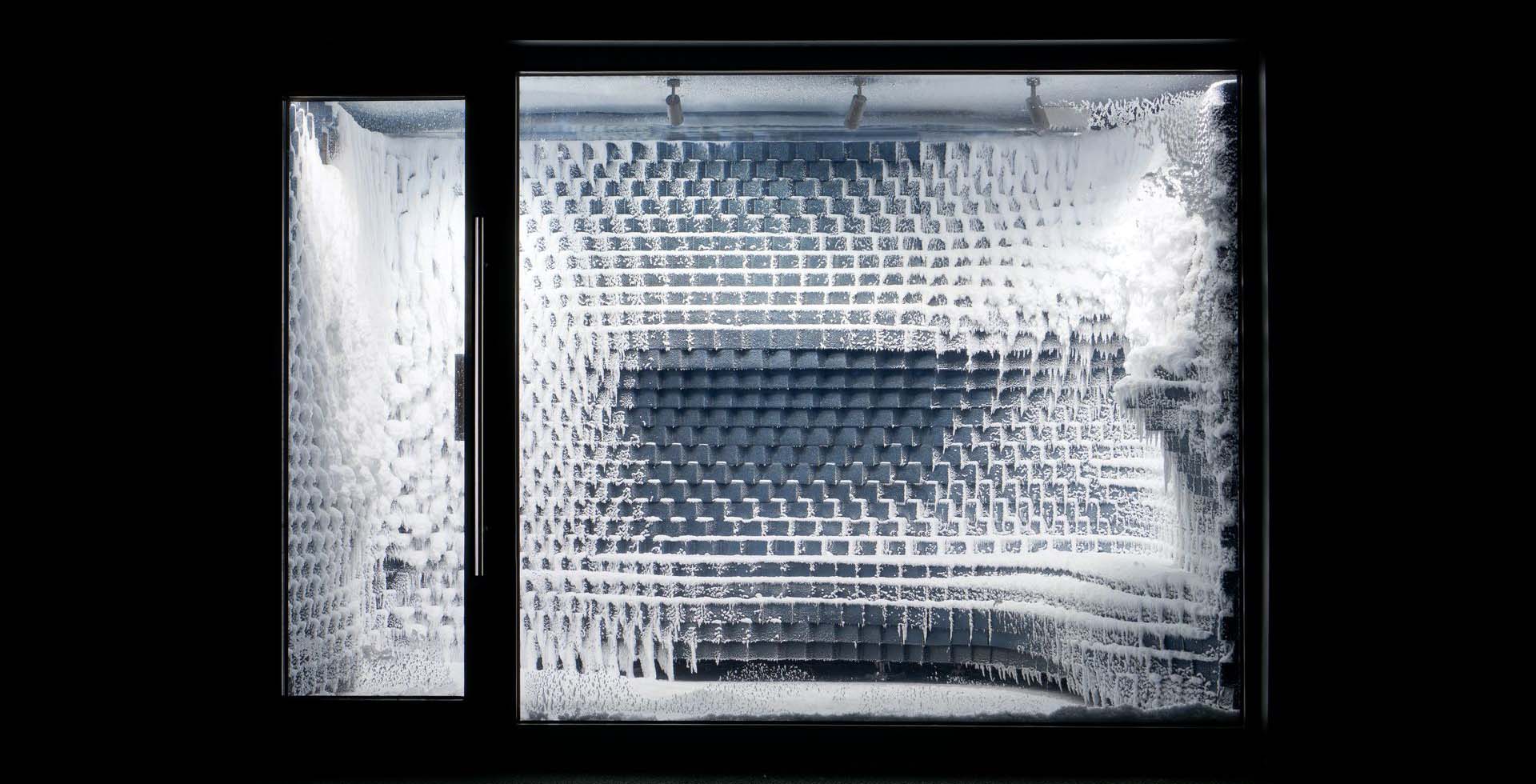
- Insulation and condensation: the surrounding room must manage the temperature differential so condensation does not damage finishes, the same air-handling discipline a snow room needs.
- Safety: emergency-release door, occupancy limits, staff training, and, for nitrogen units, oxygen monitoring.
- Sequencing: place cryo on the recovery circuit, commonly after heat, so members can run a sauna-to-cryo contrast.
This engineering load is the core reason single-source delivery matters: a chamber bought from one supplier and installed by a general contractor is where most failed cryo projects begin.
Is cryotherapy safe?
Whole-body cryotherapy is considered safe for healthy adults when sessions are kept to two to four minutes, supervised, and within proper temperature limits, but it is not for everyone. The extreme cold means it is contraindicated for people with uncontrolled hypertension, certain heart conditions, cold-sensitivity disorders, and pregnancy, and every commercial installation should include screening, supervision, and strict session limits.
In the facilities we deliver, operator training, posted protocols, occupancy limits, and emergency procedures are part of the handover, alongside the equipment itself.
Where does cryotherapy fit in a wellness facility?
Cryotherapy is one of the four pillars of the Longevity Stack, alongside sauna, red light therapy, and hyperbaric oxygen, and it functions as both a standalone bookable service and part of a contrast circuit. Its short session time makes it a high-throughput revenue unit, while its dramatic, marketable experience makes it a draw that pulls members through the door.
Four operator types are installing cryochambers now: recovery and longevity studios building around the Stack, gyms and sports clubs adding a premium recovery service, medical and physiotherapy clinics using it for inflammation and pain, and hotel spas differentiating with a signature cold experience. For the full facility picture, see our guides to the longevity center and the wellness center in Dubai.
Frequently asked questions about cryotherapy
Is cryotherapy better than an ice bath?
For recovery outcomes the evidence is broadly comparable. Cryotherapy’s real advantages are speed (three minutes versus ten), dryness, throughput, and experience, which matter most to commercial operators. For a home user, a quality cold plunge delivers similar benefit at a fraction of the cost.
How cold does a cryochamber get?
Electric whole-body chambers run around -85°C; nitrogen units expose the body to colder vapor briefly. Both are far colder than an ice bath, but for only two to four minutes.
How often should you do cryotherapy?
Most protocols use it three to five times per week around training or recovery needs. As with all cold and heat exposure, consistency over weeks matters more than any single session.
Do you need three-phase power for a cryochamber?
Yes, electric cryochambers require a dedicated three-phase supply and proper load planning. This is one of the most common items missed when the chamber is ordered before the room is engineered.
Can you install a cryochamber at home?
It is possible in high-end residences with the space and electrical capacity, and we do deliver residential installations, but for most homes a cold plunge is the practical cold-therapy choice. A conversion or feasibility study is the first step.
Electric or nitrogen cryochamber, which is better?
For commercial use, electric: no consumables, consistent temperature, genuine whole-body exposure, and lower running cost over time. Nitrogen units are cheaper upfront but carry supply and safety overheads.
Sources
- Rose, C., et al. (2017). Whole-body cryotherapy as a recovery technique after exercise: a review of the literature. International Journal of Sports Medicine, 38(14), 1049-1060. Full text
Ready to add cryotherapy to your facility? Our team specifies the right chamber technology, engineers the room and power, installs and commissions, and trains your operators, delivered as one accountable partner. Request a free consultation and we will scope the configuration, costs in AED, and a revenue model for your space.


