Overview
Sauna Dekor is a Turkish sauna and hammam manufacturer that also acts as turnkey contractor for the wet areas it builds. Founded in 1987 and in its 40th year, the company produces in its own İkitelli, Istanbul facility and has delivered thermal installations in more than 35 countries.
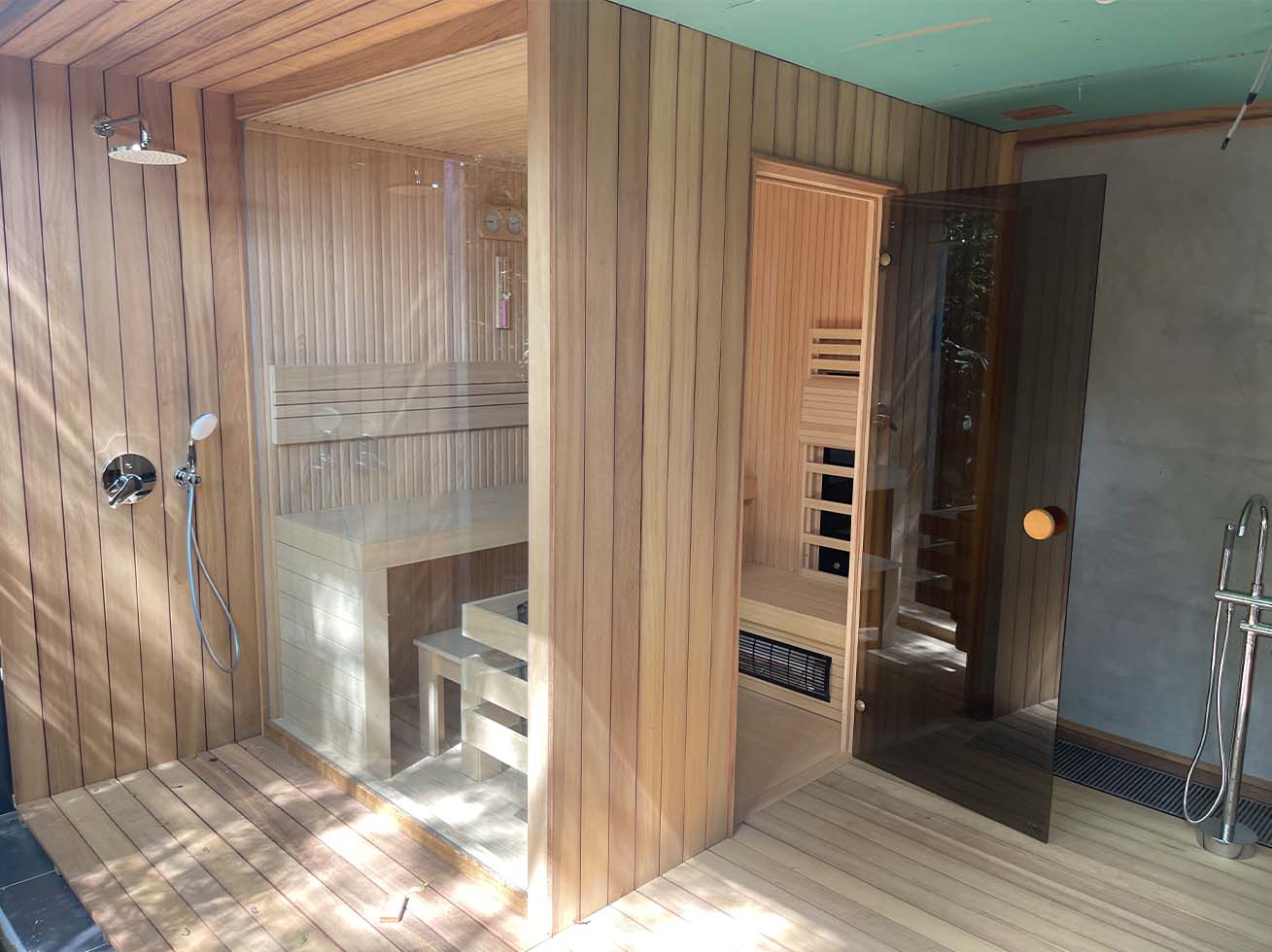
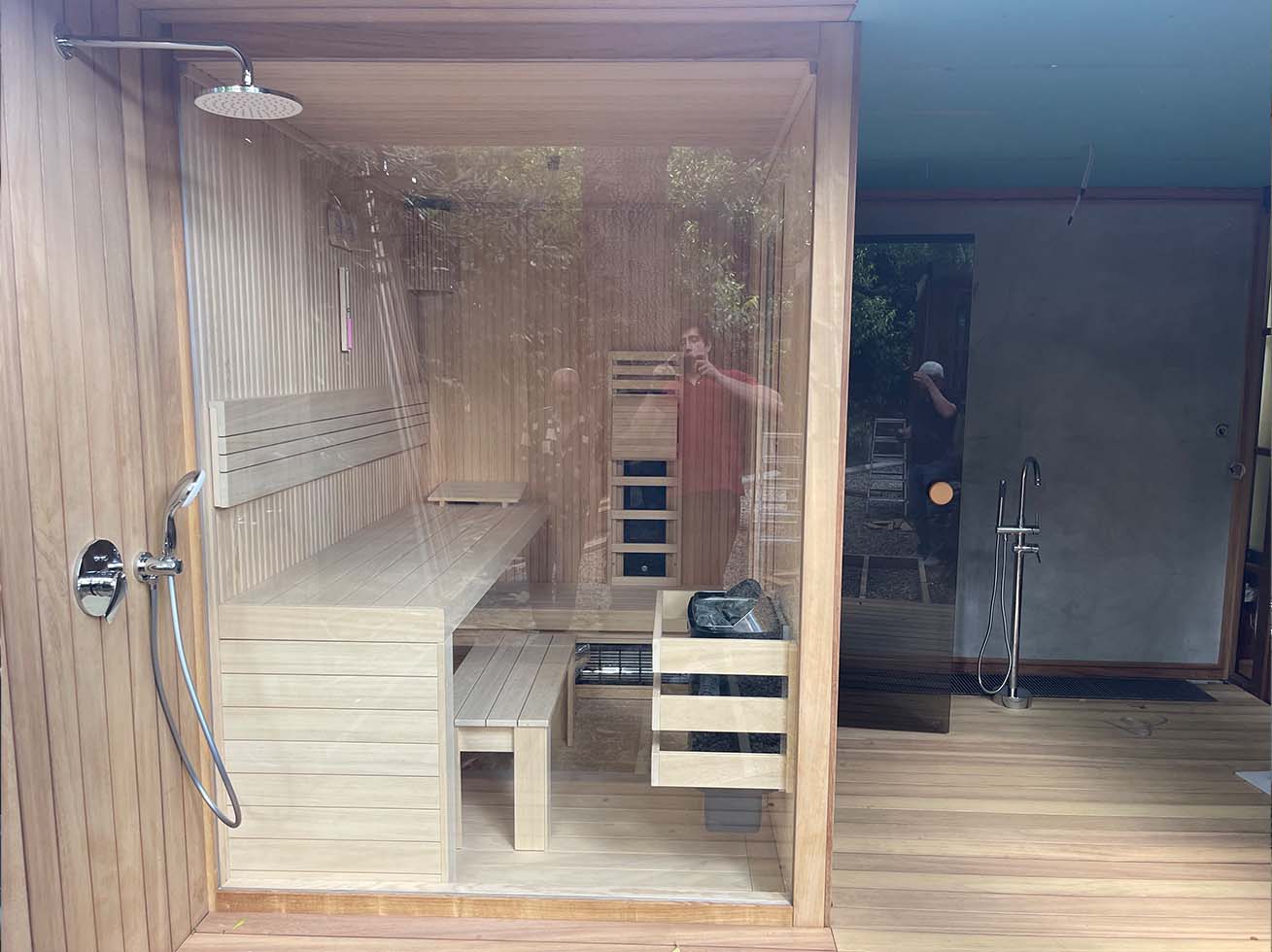
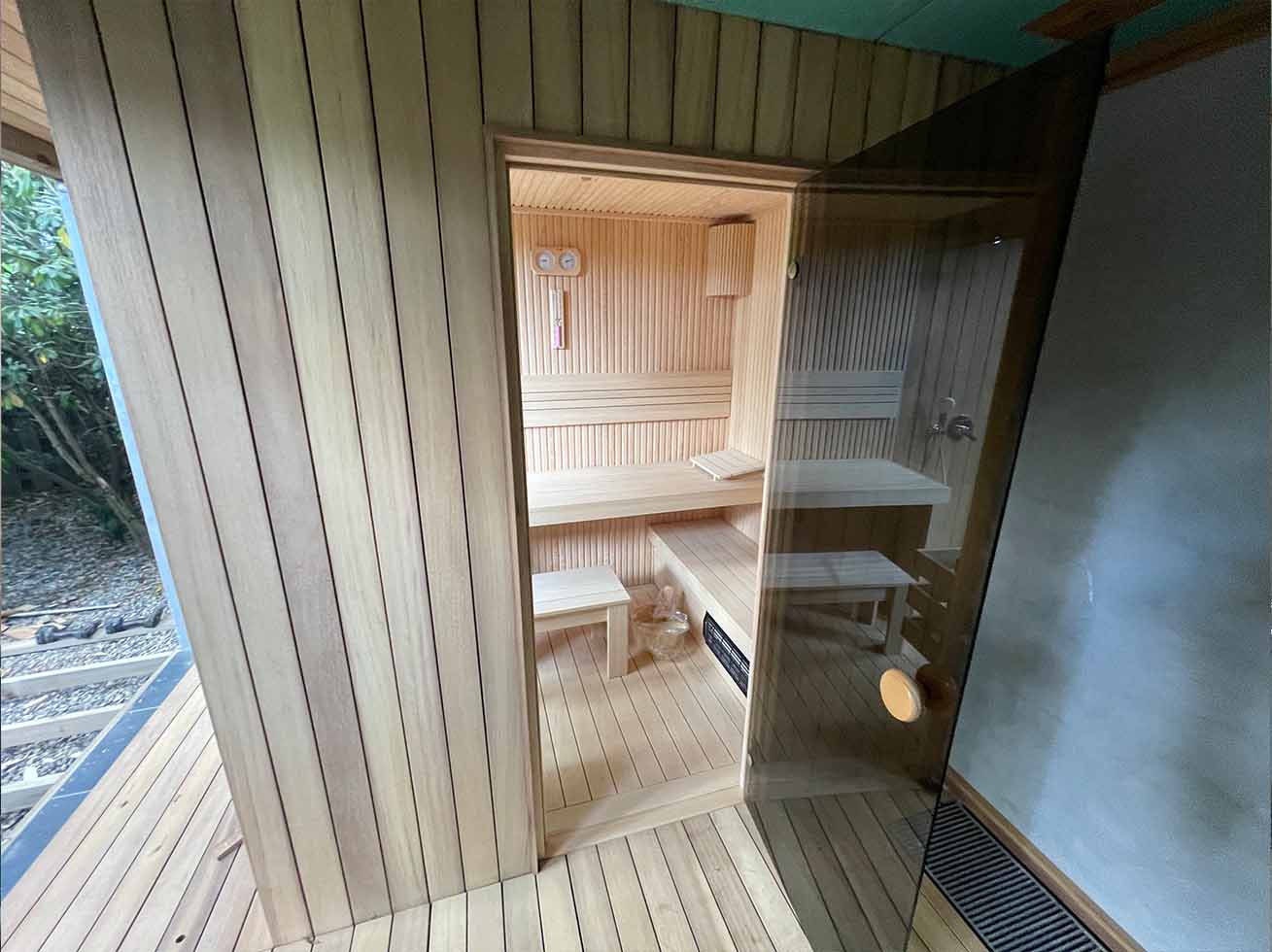
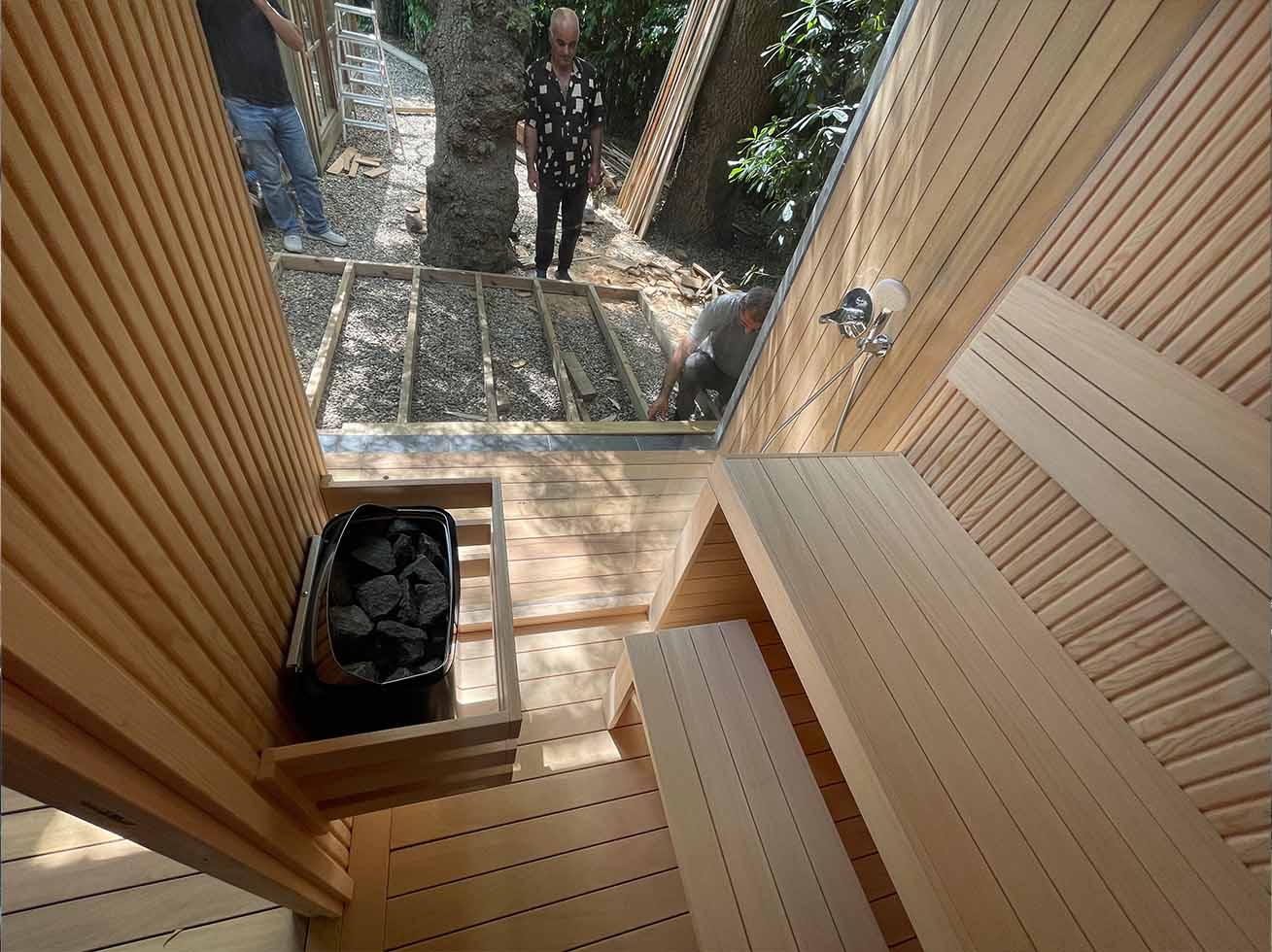
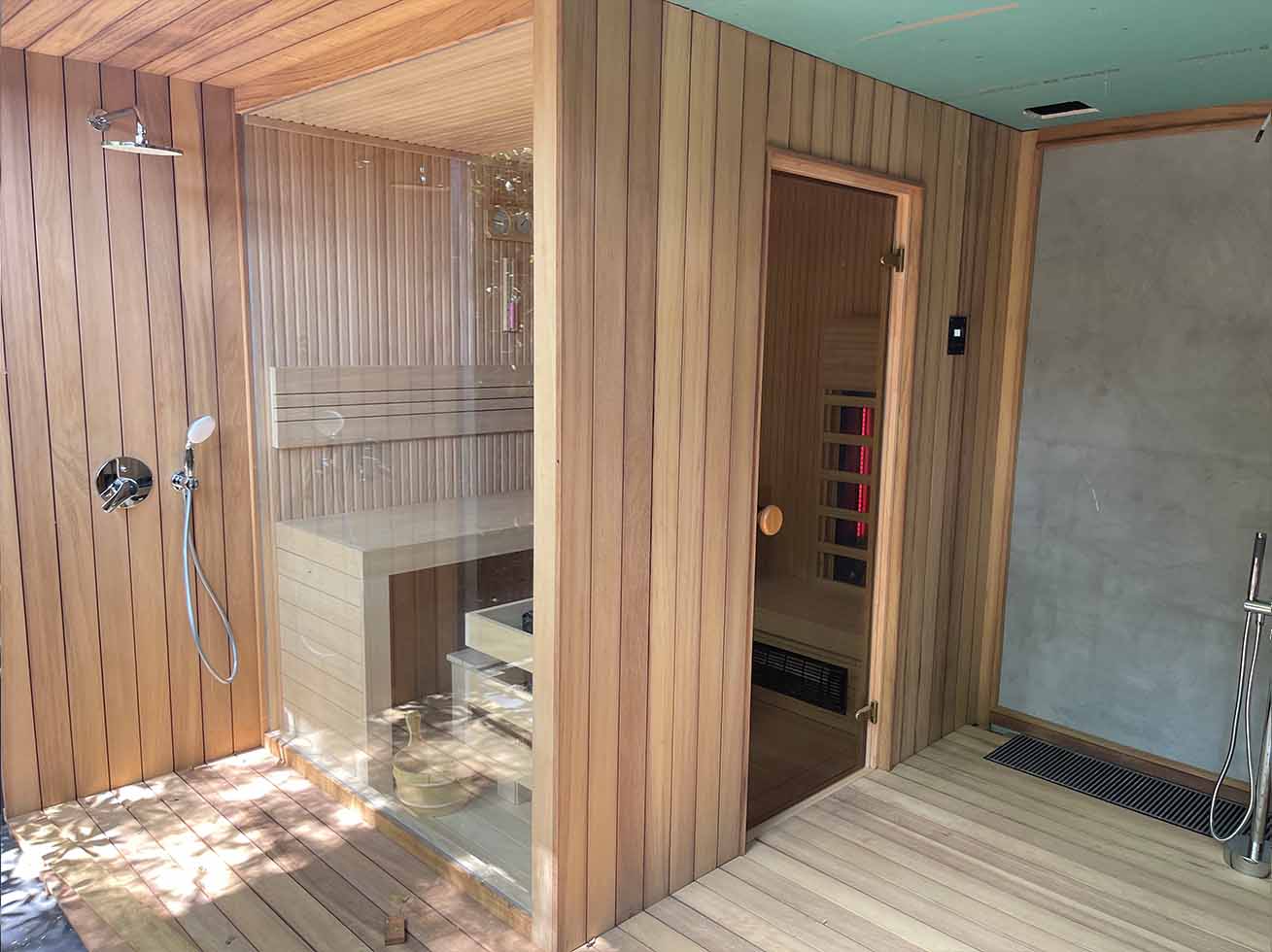
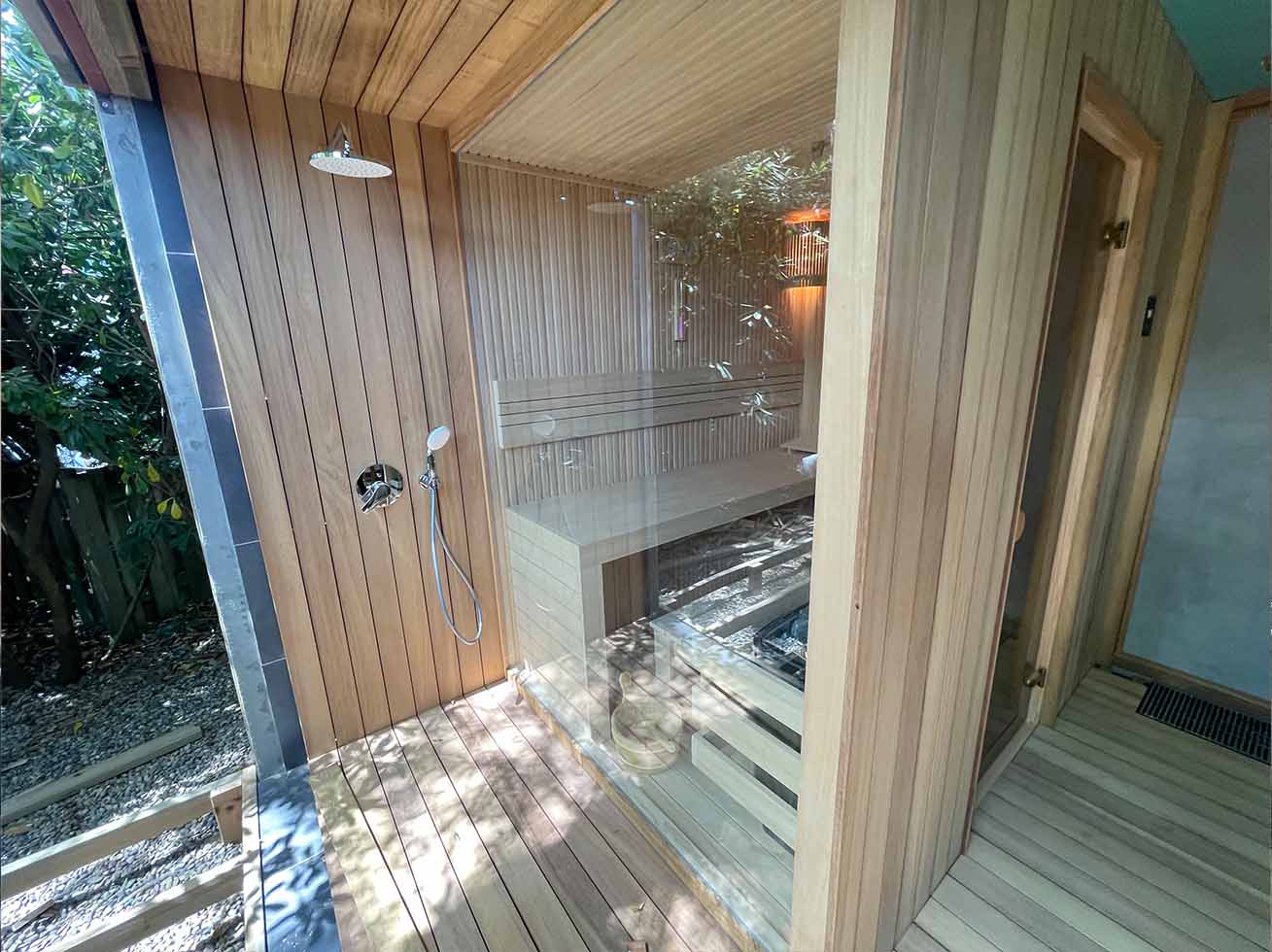
This project is a sauna built into a countryside house near Berlin, Germany. The owner is notnamed; the page records the location, the property type and the work. The zone listed for theproject is a sauna, and our photographic record of the job runs to eleven frames.
Scope of work
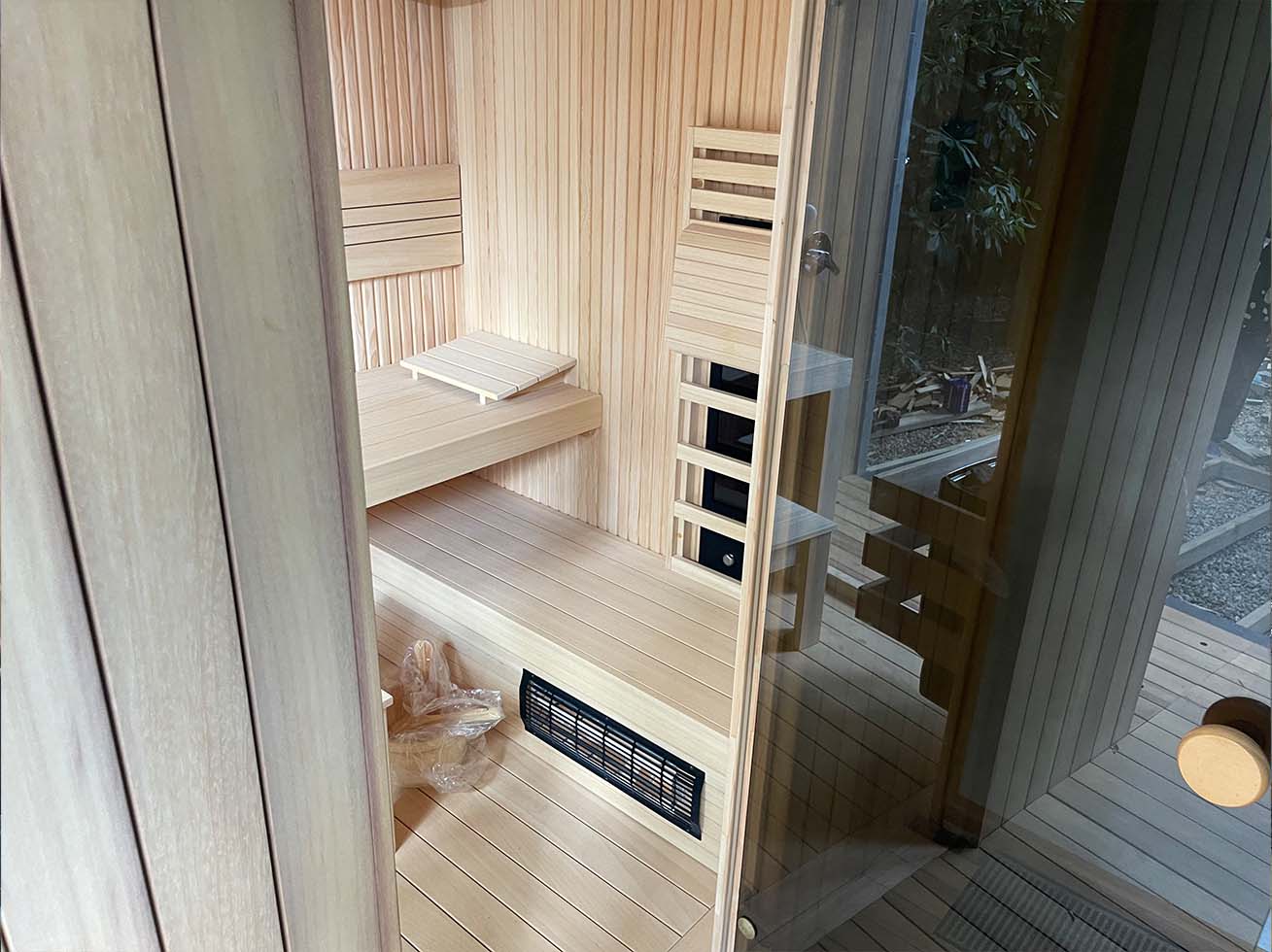
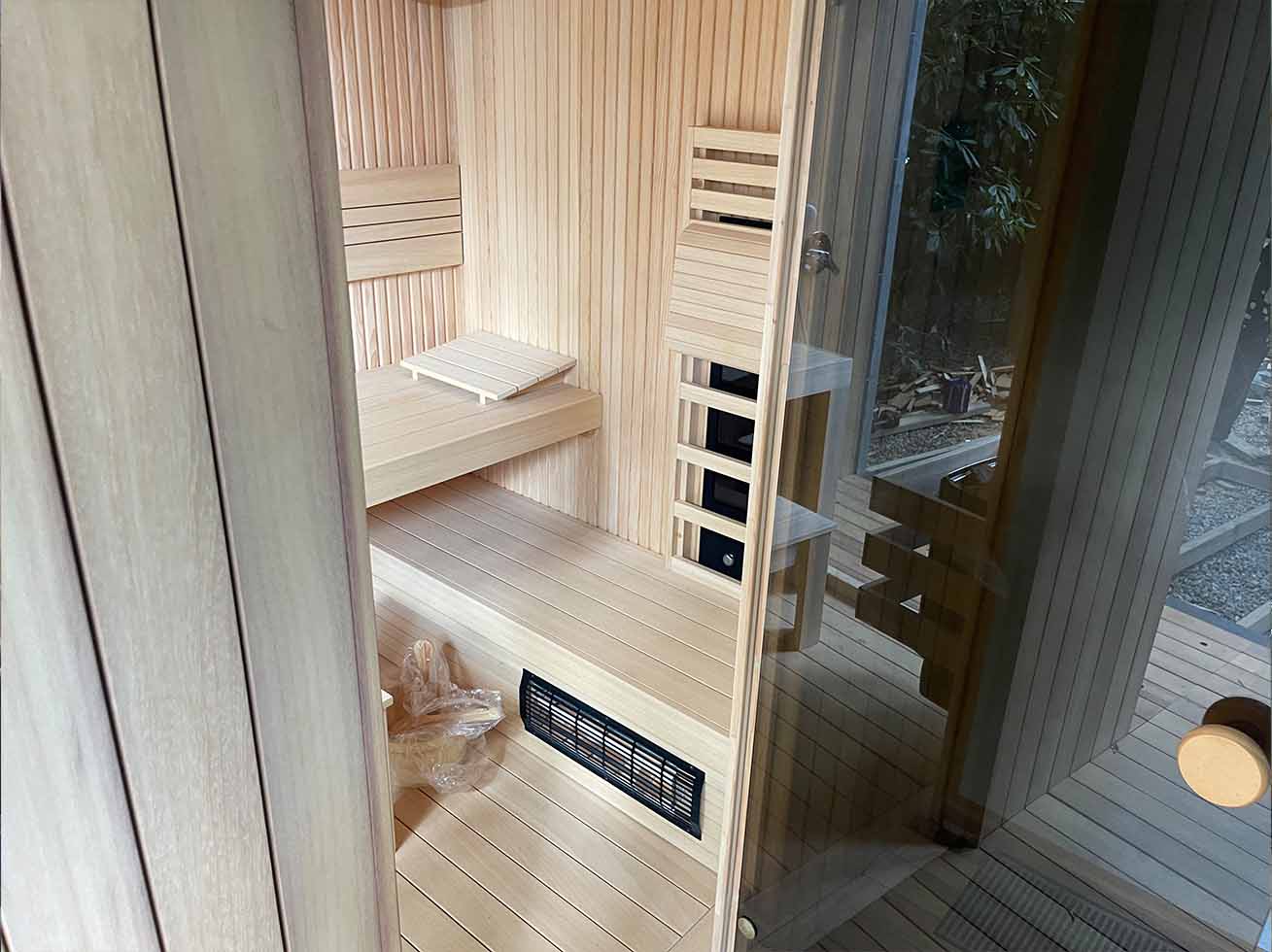
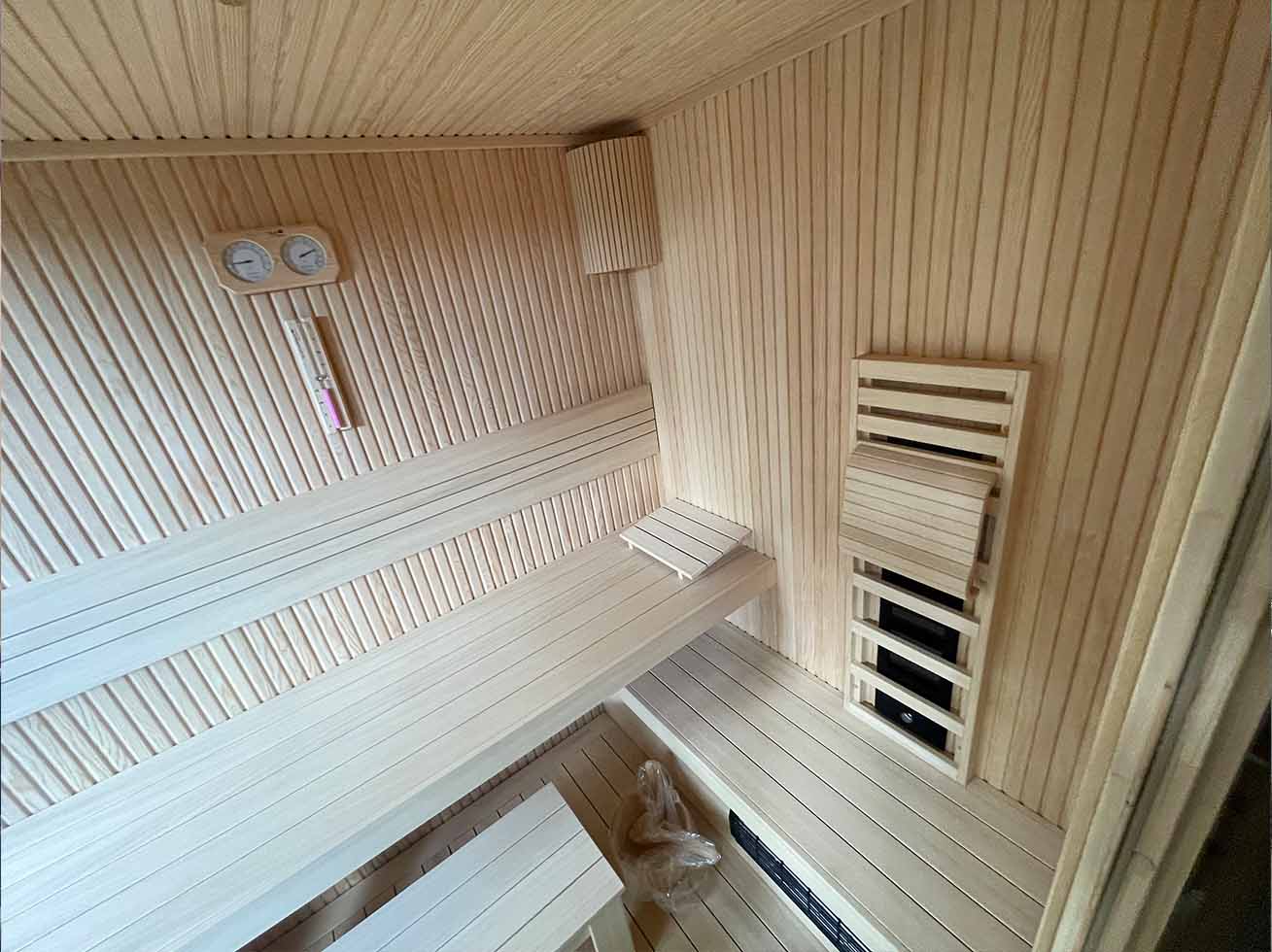
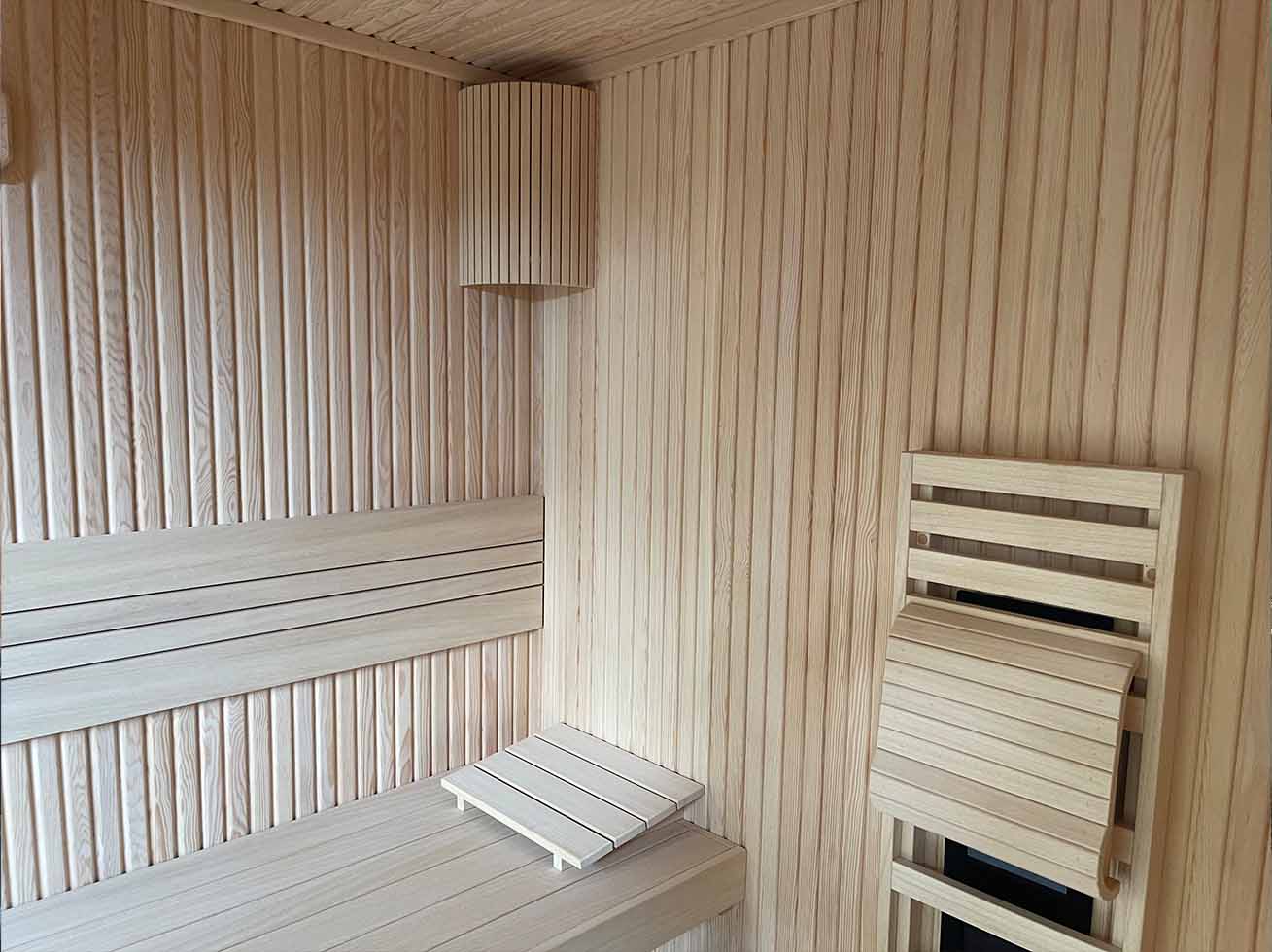
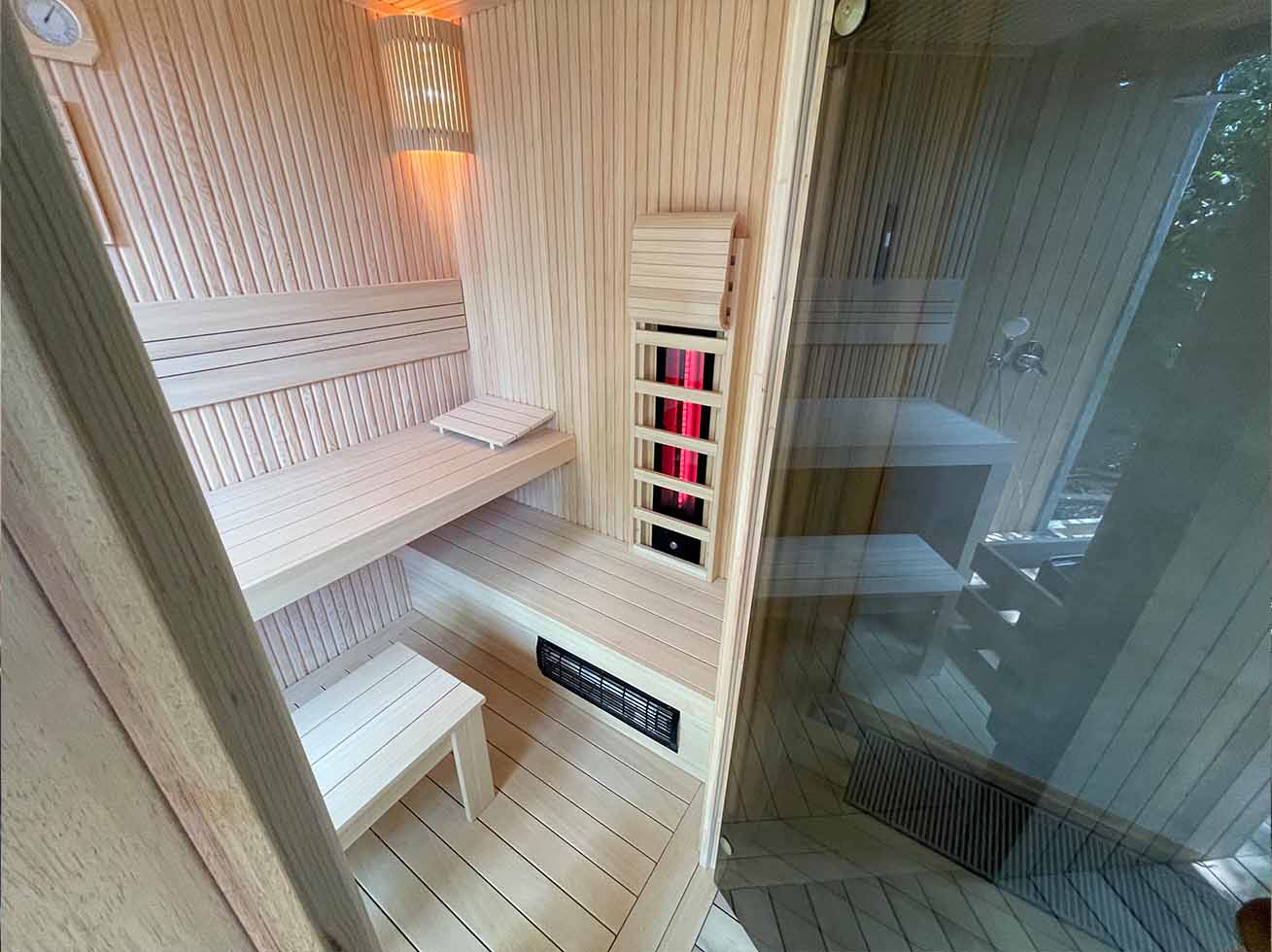
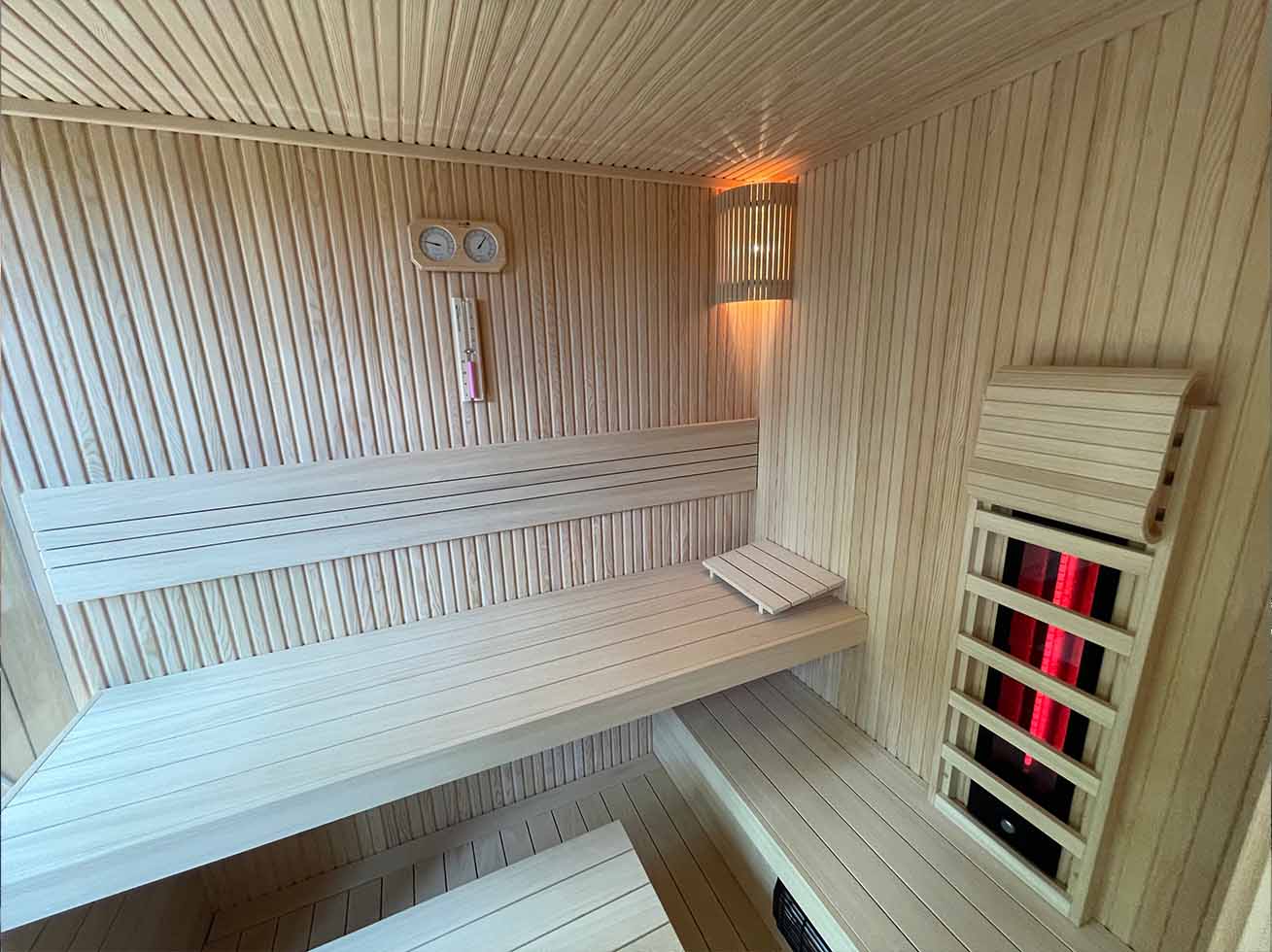
A dry-heat cabin taken as a joinery-led commission: the insulated structure, linings,benching and back rests, glazing, integrated lighting, the heater and control, and theventilation and electrical interfaces. Manufactured and dry-assembled in our Istanbul workshop,then dismantled, numbered, shipped and installed.
Timber selection is a comfort decision, not a finish decision
Everything a bather touches in a sauna is timber, at temperature, with bare skin. That makesspecies selection a comfort question first. We use kiln-dried, low-resin species because resinweeps at bench temperature and because a dense, oily timber conducts heat into skin far fasterthan a light, open one — which is why an otherwise well-built cabin can be uncomfortable to sitin. Boards are selected and laid so the visible grain runs consistently, knots are kept awayfrom contact surfaces, and every fixing is concealed so no metal is presented to skin. Benchtops are built to lift out, both for cleaning and because a bench is the part most likely to bereplaced in the cabin’s life. Seesauna.
Light and glazing
Lighting in a sauna is a heat and safety question before it is an atmosphere one. Fittingshave to be rated for the temperature and humidity they will sit in, positioned where nobodybrushes them, and wired so the cabin’s vapour barrier is not perforated by cable routes.Indirect light behind a bench or a back rest gives the effect most clients want while keepingthe fitting away from contact and away from the hottest part of the room. Glazing is specifiedas a sauna component — toughened, correctly gasketed, with a door that seals without binding asthe frame warms — and its heat loss is added to the heater calculation rather than ignored.
Heat load, build-up and ventilation
General practice sizes a domestic cabin at roughly a kilowatt of stone-heater output percubic metre of volume, with additions for glazing and for masonry surfaces. The cabin is aninsulated box: insulation, a continuous foil vapour barrier with taped laps, a ventilatedcavity, then the lining, so each board can dry from the back. Air enters low near or under theheater and leaves low on the opposite side, ducted somewhere that can accept warm moist air.Connection is made by a local electrician to the national wiring rules; the heater carries CEand EN 60335 certification from its manufacturer. More atsauna ventilation.
What we solved on site
A joinery-led cabin has to be right the first time, because a panel re-cut on site nevermatches the grain sequence it was selected for. We laid the boards out and dry-assembled theentire cabin in our Istanbul workshop, confirmedthe grain ran as intended across every junction, then dismantled and numbered it so it wentback together the same way. Seesauna designs for luxuryhomes and luxury home sauna.