


Float Tank Dubai: The Complete Guide to Sensory Deprivation Design, Installation and Cost for 2026


Last updated: July 2026
In early 2025, the founder of a longevity clinic in Jumeirah called our team with an unusual complaint: she had installed an off-the-shelf float pod the year before, and within eight months the metal fittings were corroding, the water needed constant correction, and the room smelled of damp. The problem was not the pod, it was that nobody had engineered the room around what a float tank actually is: a body of water holding half a tonne of dissolved salt, in a city with 90 percent coastal humidity. We rebuilt the space with a custom float pool, fully salt-resistant surfaces and fittings, medical-grade filtration and dedicated humidity control. Final project cost was AED 210,000, and the float room is now the clinic’s calmest, most-booked treatment.
That project captures why a float tank in Dubai is a specialist build, not a plug-in appliance. Floatation therapy, also called sensory deprivation or Floatation-REST, has become one of the most sought-after additions to luxury wellness suites, longevity clinics and high-end spas. But the Epsom salt that makes floating possible is aggressively corrosive, and Dubai’s humidity attacks any water room that is not properly engineered. Get the materials, water treatment and environmental control right and a float tank runs for years; get them wrong and it degrades within a season.
This guide covers everything you need before installing a float tank in Dubai: how floatation works, the honest evidence behind the benefits, the types of float tank, how to engineer one for the climate and the salt, water care, DEWA and approvals, and real costs in AED. Drawing on 38 years of manufacturing experience at Sauna Dekor and a Dubai entity that has delivered hundreds of wellness projects across the Emirates, our team has gathered the practical detail that brochures leave out.
Planning a float tank for your clinic, home or spa in Dubai? Explore our sensory deprivation range or request a free consultation with our Dubai team.
Why is demand for float tanks rising in Dubai?
Demand for float tanks in Dubai has grown quickly as the city’s wellness and longevity sector has matured, high-net-worth residents seek deeper recovery and stress relief, and a fast-paced, high-stimulation lifestyle drives interest in genuine sensory rest. Floatation offers something no other modality does: the near-total removal of sensory input, which is rare and valuable in a city that never slows down.
Two forces accelerate the trend. First, Dubai’s wellness clinics and biohacking centres are in a constant race to offer differentiated, science-backed experiences, and a float tank is a premium, high-margin, repeat-booking amenity. Second, at the residential level, owners building private wellness suites increasingly want a contemplative counterpoint to the intensity of a sauna or cold plunge, and floating provides exactly that: warmth, silence and weightlessness. As awareness of floatation-REST has spread through the recovery and mental-wellness conversation, so has demand for properly built rooms.
What is a float tank and how does floatation therapy work?
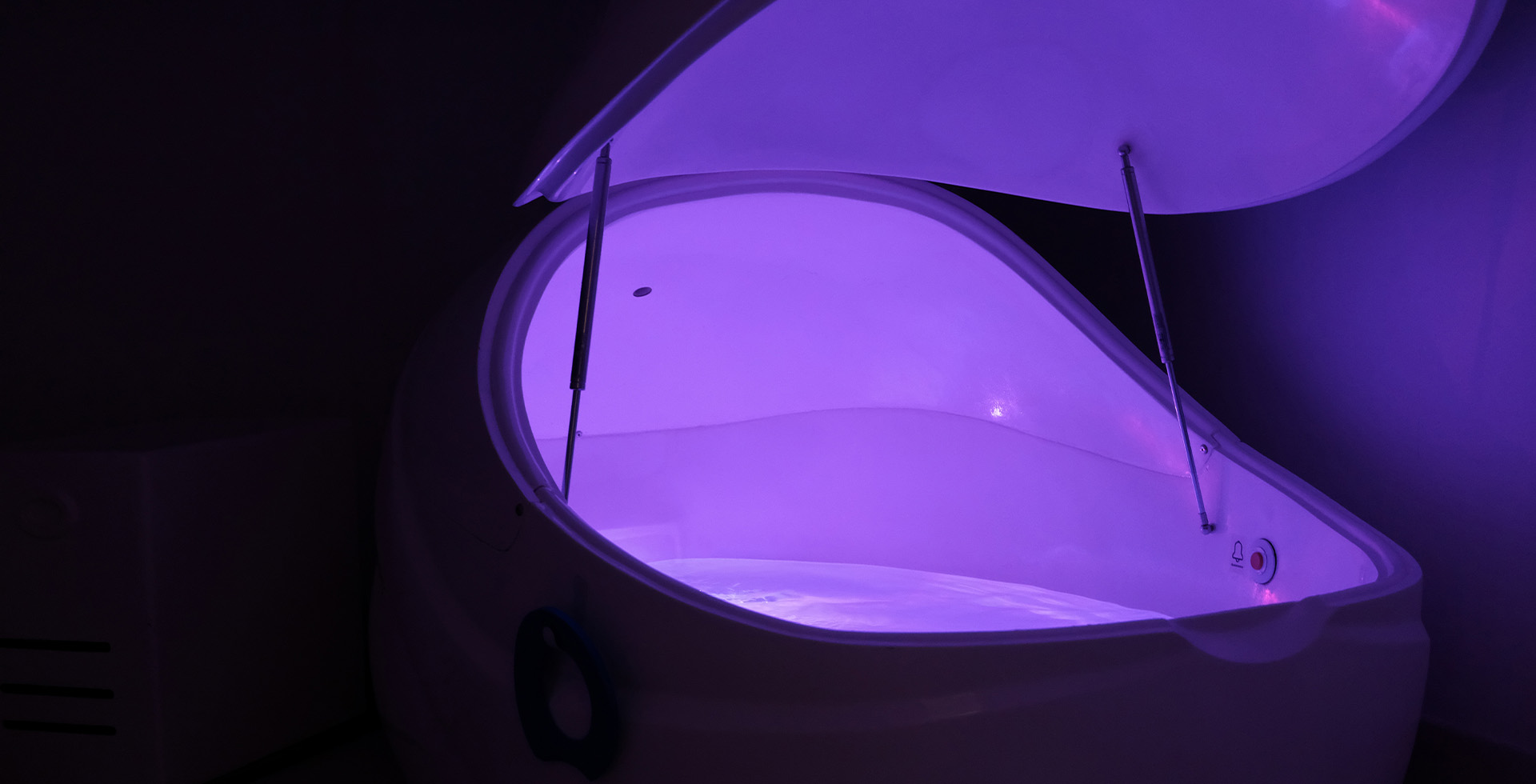
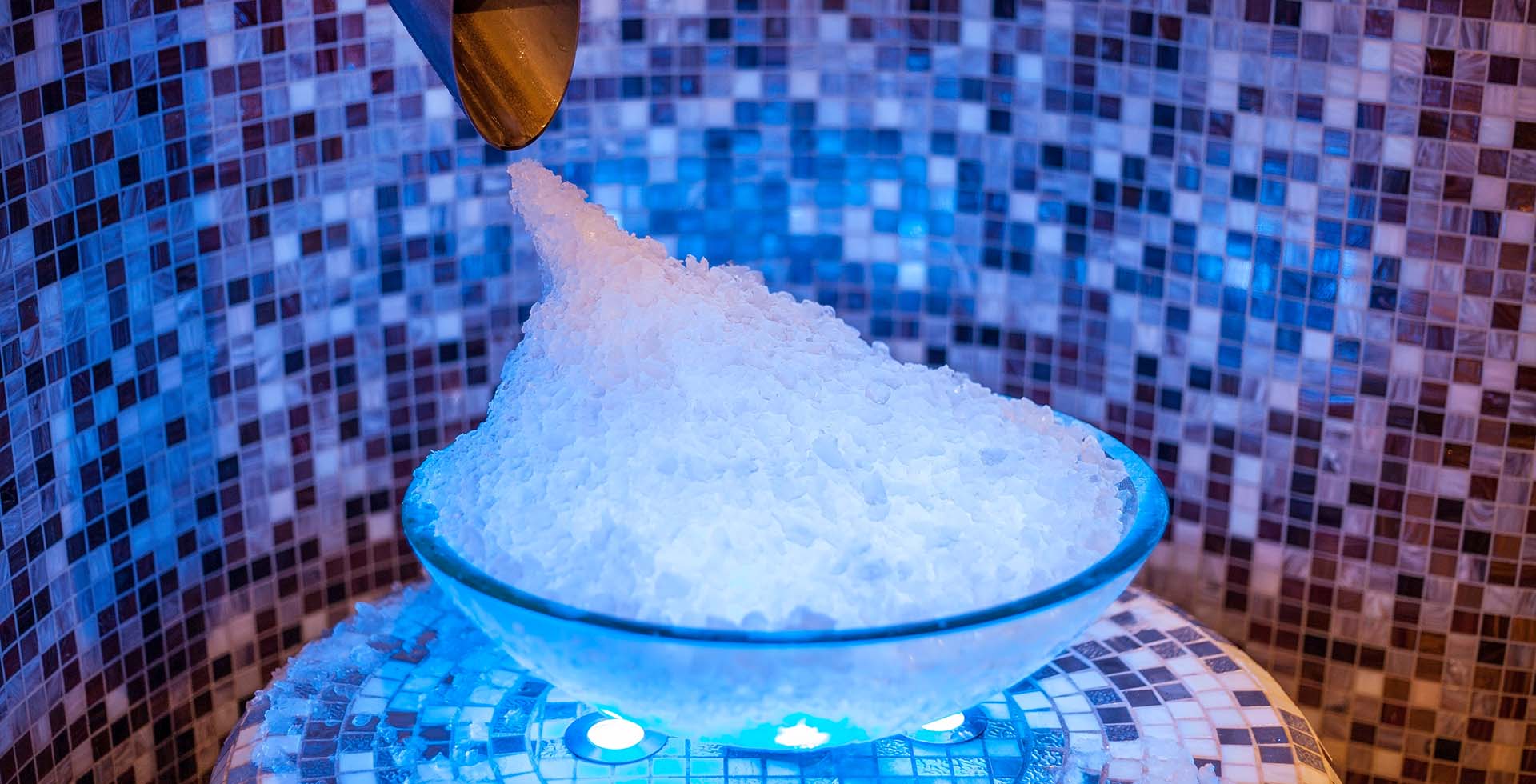
A float tank is an enclosed pool of shallow water saturated with around 500 kilograms of Epsom salt (magnesium sulfate), heated to skin temperature so the body floats effortlessly while sight, sound and other sensory input are minimised. This state, known as Floatation-REST (Reduced Environmental Stimulation Therapy), allows the nervous system to settle in a way ordinary rest rarely achieves.
The high salt concentration makes the water dense enough that the body floats on the surface without effort, taking pressure off the joints and spine. The water is held at around 35.5 °C, close to skin temperature, so the boundary between body and water fades. In a fully enclosed tank the space is dark and silent, removing visual and auditory input. With gravity effectively offloaded and sensory signals reduced, the mind and body enter a deep, restorative calm. This is why floatation is described as sensory deprivation, though many operators prefer the gentler term sensory rest.
What are the proven benefits of floatation, and what is still emerging?
Floatation therapy has encouraging evidence for short-term stress and anxiety reduction, muscle relaxation and mental wellbeing, though larger trials are still needed and it should be presented as a wellness and relaxation practice rather than a medical treatment. Being honest about the evidence protects both the client and the credibility of the installation.
On the supportive side, a clinical study of Floatation-REST reported a substantial reduction in state anxiety after a single session, with effects observed across a range of anxiety and stress-related conditions (Feinstein et al., 2018), and the Global Wellness Institute catalogues a growing body of research on floatation for stress and wellbeing. The magnesium-rich Epsom salt water and the offloading of gravity also make floating a genuinely effective way to relax muscles and relieve physical tension.
What to avoid is overclaiming. Floatation should be framed as relaxation, stress relief and recovery, not as a cure for any medical condition, and anyone with a specific health concern should consult a physician first. Approached honestly, a float tank is one of the most distinctive and restorative additions a wellness facility can offer, and it pairs naturally with the heat and cold modalities that dominate Dubai’s wellness suites.
Building a float room you can stand behind? Our Dubai team engineers the water treatment, materials and environment for genuine, low-maintenance floatation. Request a free consultation to review your space.
What types of float tank can you install in Dubai?
Float installations come in three main forms: enclosed float pods, open float pools or cabins, and custom-built float rooms, with the right choice driven by whether the setting is residential, clinical or commercial. Pods are self-contained and compact, open pools and cabins feel more spacious and less confining, and custom rooms integrate the float experience into the architecture.
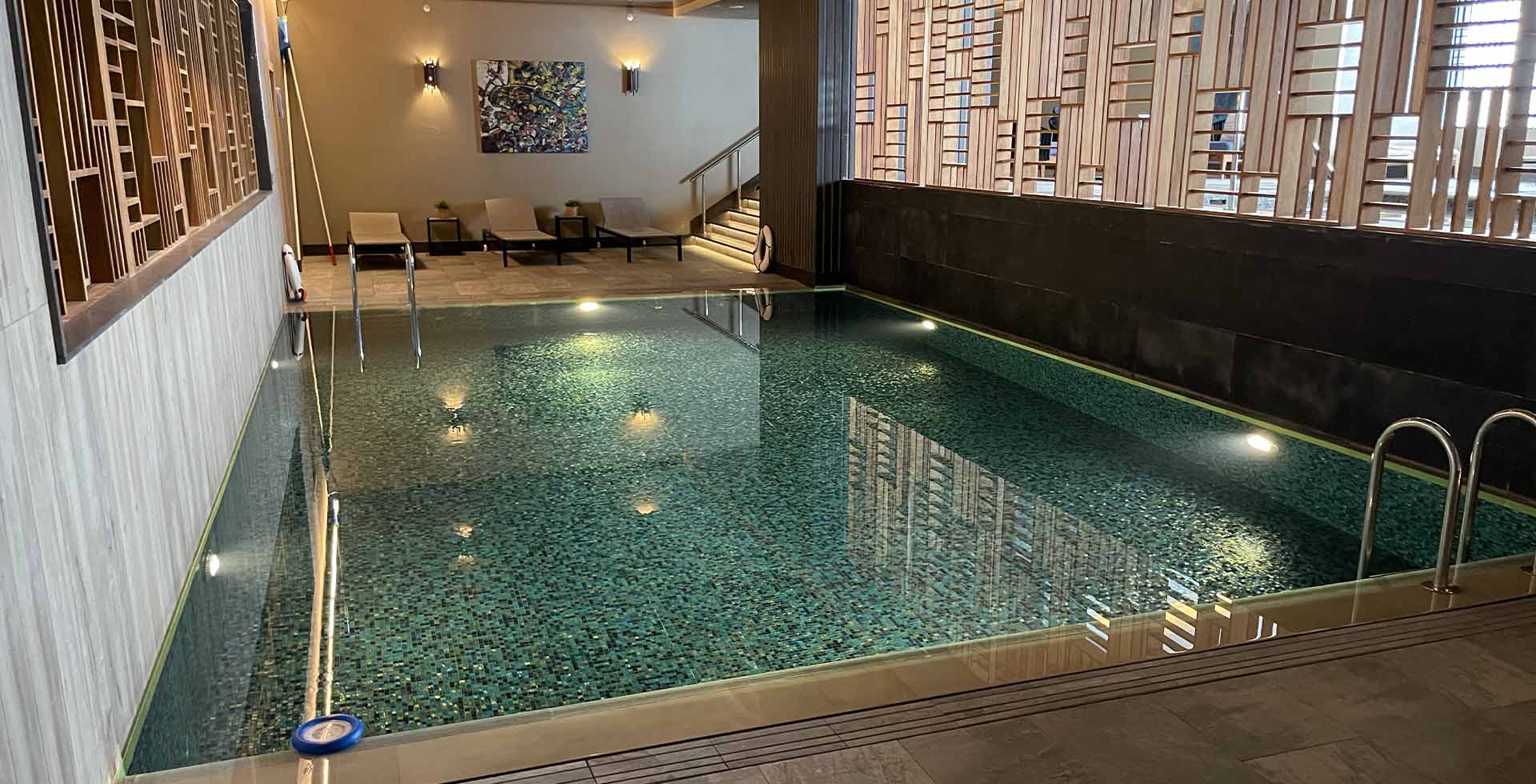
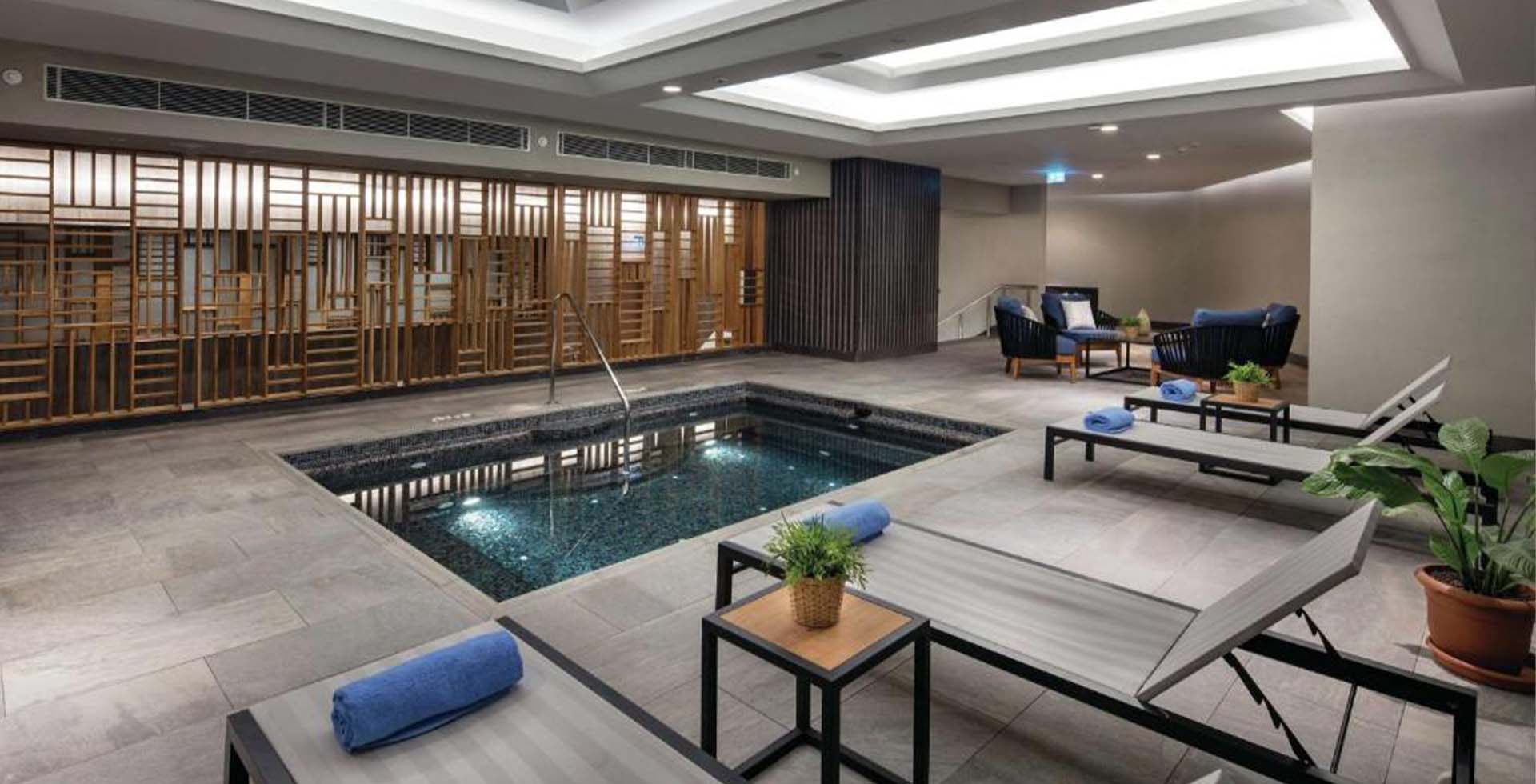
An enclosed float pod is a manufactured unit that is quicker to install but limited in finish and size, and some users find the enclosure claustrophobic. An open float pool or cabin gives a more open, less enclosed experience and suits clients who are nervous about full enclosure. A custom-built float room, tiled and integrated like a small pool, delivers the most premium, spacious and durable result, which is why it dominates luxury Dubai villas and clinics. We build all three and are explicit with clients about the experience and maintenance each involves.
| Type | Best for | Experience | Finish |
|---|---|---|---|
| Float pod | Compact clinics, quick install | Fully enclosed | Moulded acrylic |
| Open float pool / cabin | Clients wary of enclosure | Open, less confining | Tile, mosaic |
| Custom float room | Luxury villas, flagship clinics | Spacious, integrated | Tile, stone, mosaic |
How do you engineer a float tank for Dubai’s salt and humidity?
A float tank in Dubai must be engineered around two aggressive forces: the corrosive Epsom salt inside the water and the coastal humidity outside it, which means salt-resistant materials throughout, medical-grade water treatment, precise temperature control and dedicated humidity management. The water you float in is the simple part; the salt-proof construction and water care are what determine whether the tank lasts.
Salt corrosion is the defining challenge. Around half a tonne of dissolved magnesium sulfate attacks ordinary metals, standard electrics and untreated surfaces, and Dubai’s humidity accelerates that attack. Every fitting, pump, heater and light must be specified as salt-resistant or fully isolated. Water treatment must keep a heavily salted body of water perfectly clear and hygienic between users, which requires fine filtration and UV or ozone sanitation rather than a standard pool setup. The water is held precisely at skin temperature, and the room needs soundproofing, light control and humidity extraction to deliver true sensory rest without damp.
Why is water treatment so critical in a float tank?
Water treatment is critical because a float tank is a small, warm, intensely salty body of water reused by many people, so without proper filtration and sanitation it degrades fast. A genuine float installation uses fine mechanical filtration plus UV or ozone disinfection and full turnover of the water between sessions, keeping it crystal clear and hygienic. Skimping here is the most common reason a float room becomes unpleasant and high-maintenance within months.
Do you need DEWA approval for a float tank?
Yes, a float tank with pumps, heaters, filtration and lighting requires Dubai Electricity and Water Authority (DEWA) approval for its electrical supply, submitted through the portal at dewa.gov.ae, and built-in installations in master-planned communities also typically need owners’ association approval with as-built drawings. Because a float room combines several water and electrical systems in a humid, salty environment, the engineering and approval scope is more involved than a simple appliance, and our team handles this as part of the project.
How much space and what layout does a float room need?
A float room in Dubai typically needs 6 to 12 m² for a single tank, allowing space for the tank itself, a private shower, and a dressing and transition area, because floating requires showering immediately before and after each session. Ceiling height should allow comfortable entry and good ventilation, and acoustic isolation from the rest of the building is essential to the experience.
The often-overlooked requirement is the wet transition space. Users must shower before floating to keep the water clean and after floating to rinse off the salt, so a float room is really a small suite: tank, shower and a calm dressing area. In clinics running back-to-back sessions, this transition space and the water turnover time are the real constraints on throughput, and both need planning from the first drawing.
How much does a float tank cost in Dubai in 2026?
A float tank in Dubai in 2026 typically costs between AED 90,000 for a compact pod installation and over AED 300,000 for a large custom-built float room with full salt-proof engineering. A premium clinical or villa float room usually falls between AED 150,000 and AED 250,000. The main cost drivers are pod versus custom construction, the water treatment specification, the salt-resistant materials, and the soundproofing, temperature and humidity control required.
| Project type | Typical AED range | Typical USD range | Lead time |
|---|---|---|---|
| Float pod (compact) | 90,000–150,000 | 24,500–40,800 | 6–10 weeks |
| Premium pod / small custom | 150,000–210,000 | 40,800–57,200 | 10–14 weeks |
| Custom float room (villa/clinic) | 210,000–300,000 | 57,200–81,700 | 12–18 weeks |
| Flagship commercial float suite | 300,000+ | 81,700+ | 16–24 weeks |
What additional costs should you budget for?
- Water treatment plant (fine filtration + UV/ozone): essential, never the place to economise
- Epsom salt (around 500 kg per tank, plus top-ups): ongoing cost
- Salt-resistant construction and fittings: critical in Dubai, included in a proper build
- Soundproofing, humidity extraction and temperature control: AED 15,000 to 50,000
- DEWA approval and electrical work: AED 4,000 to 25,000
For a custom float room, budget total project cost at roughly 1.3 to 1.5 times the base tank price, because water treatment, salt-proofing and environmental control carry real weight in a Dubai build.
How do you integrate a float tank into a wellness circuit?
A float tank works best as the deep-rest chapter within a wider wellness circuit, positioned as the calm counterpoint to the stimulation of heat and cold. In a home or clinic, this means placing the float room alongside the sauna, cold plunge and salt room, so users can move from intense thermal contrast into total sensory rest.
Grouping the float room with the other wet, humidity-generating spaces also makes engineering sense, containing the moisture and water-treatment challenge to one well-built zone rather than spreading it across the building. This is the approach we take across our private spa and wellness centre projects, and the same logic scales to hospitality: for hotels and clinics, a float tank is one element of a wider commercial spa offering. For developers and main contractors, our team can deliver the full float and wellness scope as a specialist subcontractor.
Frequently asked questions about float tanks in Dubai
What is the difference between a float tank, a float pod and sensory deprivation?
They describe the same thing. A float tank or float pod is the vessel, sensory deprivation (or the gentler Floatation-REST) is the experience of floating in warm, salt-saturated water with sight and sound minimised. The main practical choice is between an enclosed pod and a more open float pool or room.
Is floatation therapy backed by science?
Floatation has encouraging evidence for short-term stress and anxiety reduction and muscle relaxation, with a clinical study reporting a substantial drop in anxiety after a single session, though researchers call for larger trials. It should be presented as relaxation and recovery, not a medical treatment.
How much does a float tank cost in Dubai?
A compact float pod installation starts around AED 90,000, a premium clinical or villa float room typically costs AED 150,000 to AED 250,000, and a large custom float suite exceeds AED 300,000. Water treatment, salt-proofing and environmental control are the main cost drivers.
Do float tanks have maintenance problems in humid Dubai?
Only when built without the right engineering. The risks, corrosion, cloudy water and damp, all trace back to non-salt-resistant materials or inadequate water treatment. With salt-proof construction, medical-grade filtration and humidity control, a float tank runs cleanly for years.
How big does a float room need to be?
A single float room typically needs 6 to 12 m², because it must also include a private shower and dressing area, since users shower immediately before and after each session. Acoustic isolation from the rest of the building is also essential.
Is DEWA approval required for a float tank?
Yes, for the electrical supply to the pumps, heater, filtration and lighting. Built-in installations in master-planned communities also usually require owners’ association approval and as-built drawings, which our team coordinates as part of the project.
Can you combine a float tank with a sauna and cold plunge?
Yes, and it is the ideal setup. A sauna and cold plunge provide thermal stimulation and a float tank provides deep sensory rest, together forming a complete stimulate-then-restore wellness circuit when designed as one system.
Sources
- Feinstein, J. S., et al. (2018). The elicitation of relaxation and interoceptive awareness using floatation therapy / Examining the short-term anxiolytic and antidepressant effect of Floatation-REST. PMC
- Global Wellness Institute. Flotation Therapy, Wellness Evidence. globalwellnessinstitute.org
- Dubai Electricity and Water Authority (DEWA). Connection services and electrical approval portal. dewa.gov.ae
Ready to design your float tank in Dubai? Whether you want a compact float pod for a clinic, a custom float room for a private wellness suite, or a flagship floatation suite for a spa, our Dubai team brings 39 years of manufacturing experience and a track record with leading hospitality and wellness brands across the Emirates, delivering single-source design, build and installation, including the salt-proof engineering and water treatment a Dubai float tank actually needs. Request a free consultation and we will provide detailed project costs in AED, design options, engineering specifications and DEWA coordination for your space.


