


Last updated: July 2026
The single most-booked experience in every recovery facility we build is not a treatment or a machine. It is a loop: hot, then cold, then rest, repeated. A member walks from a 85°C sauna into a 10°C plunge and back, three times, in forty minutes. It is the oldest idea in bathing culture, from Roman baths to Finnish lakes to Turkish hammams, and in 2026 it has a modern name and a research base: contrast therapy.
This guide explains what contrast therapy actually does, the protocol that works, how to sequence and time it, and how to build a hot-cold circuit whether you have a villa bathroom or a commercial floor. It is written from 40 years of manufacturing thermal and cold-therapy facilities at Sauna Dekor, because a contrast circuit is not two products bought separately, it is one system designed to be used as a loop.
Planning a hot-cold circuit for a home or facility? Explore our spa solutions or request a free consultation.
What is contrast therapy?
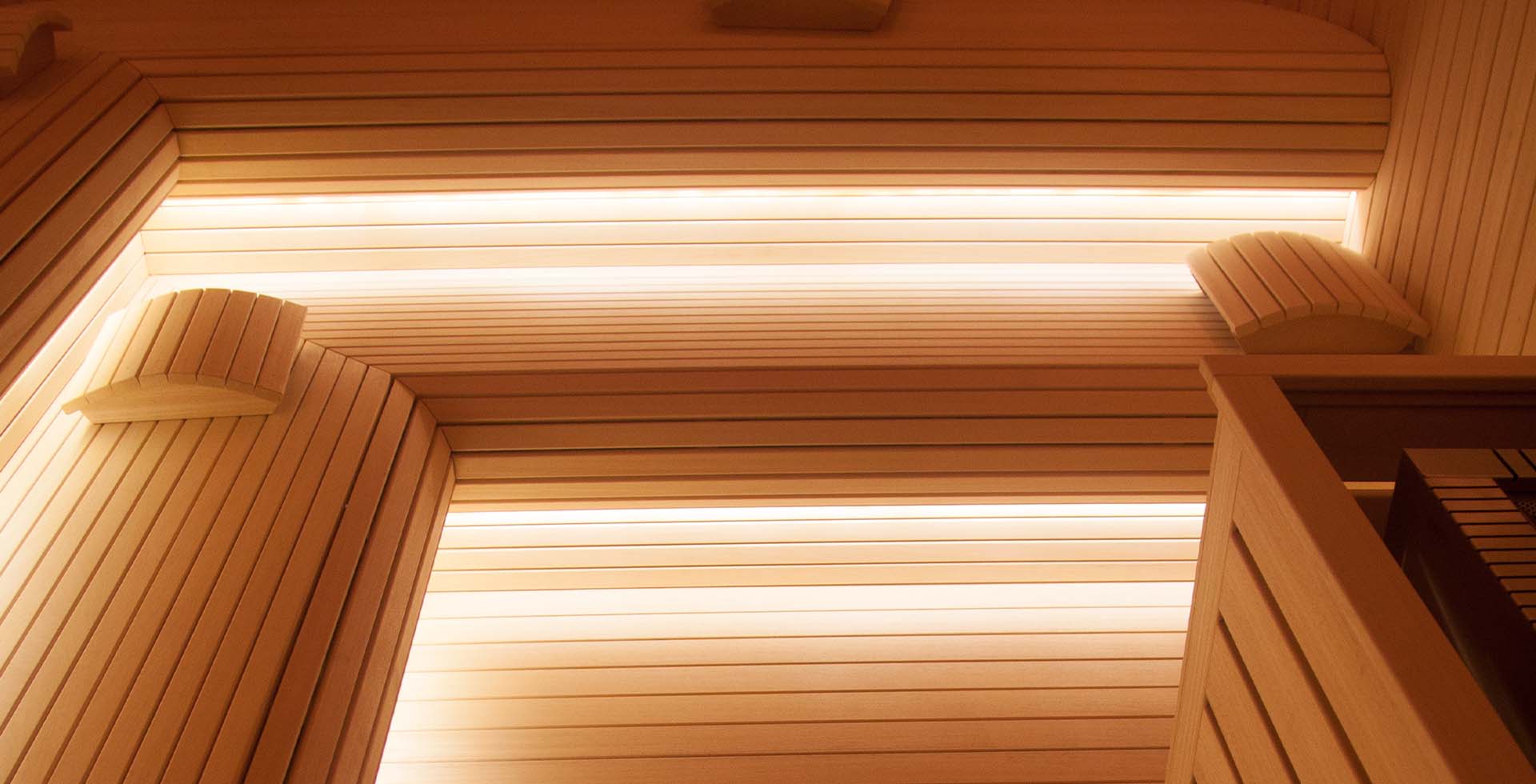
Contrast therapy is the practice of alternating between heat and cold exposure in a single session, most commonly a sauna or steam room followed by a cold plunge, ice bath, or cold shower, repeated in cycles. The rapid switch between hot and cold drives a strong vascular response, dilating blood vessels in the heat and constricting them in the cold, which acts like a pump for circulation and recovery.
It goes by several names, contrast bath therapy, hot and cold therapy, hot and cold contrast therapy, contrast water therapy, and contrast hydrotherapy, but the principle is constant: deliberate, alternating temperature stress that the body adapts to. (Physiotherapists also use small contrast baths for hands and feet; this guide is about full-body contrast therapy with a sauna and cold plunge.) What has changed recently is that a centuries-old ritual now sits at the center of the recovery and longevity movements, backed by growing evidence.
What are the benefits of contrast therapy?
The best-evidenced benefits of contrast therapy are improved recovery, reduced muscle soreness, and a stimulated circulatory response, with the heat and cold each contributing documented effects of their own. Regular sauna bathing, the heat half of the protocol, is associated in long-term studies with significant cardiovascular benefits (Laukkanen et al., Mayo Clinic Proceedings, 2018), while cold-water immersion has a strong evidence base for post-exercise recovery (Bleakley et al., 2012).
The reasons people build contrast into their routine group into four:
- Recovery: the vascular pump helps clear metabolic waste and reduce soreness after training.
- Cardiovascular conditioning: alternating stress exercises the vascular system itself.
- Mood and resilience: the cold shock delivers alertness and endorphins; the heat delivers relaxation.
- The ritual: the loop is enjoyable and social, which is why it drives repeat use better than any single modality.
The honest framing: much of contrast therapy’s benefit comes from the heat and cold individually. What the loop adds is a stronger circulatory response, a better experience, and, most importantly, adherence, because people actually keep doing it.
What is the correct contrast therapy protocol?
The standard contrast protocol is heat first, then cold, repeated for three to four cycles, ending on cold. A typical session is 10 to 15 minutes in a sauna or steam room, then 1 to 3 minutes in a cold plunge or ice bath, repeated, with a rest at the end. Always start warm and finish cold unless you specifically want to end relaxed for sleep.
A practical session structure:
- Warm-up: shower, then 10–15 minutes of sauna or steam heat.
- Cold: 1–3 minutes in a cold plunge, ice bath, or cold shower.
- Repeat: 3–4 full cycles, listening to your body.
- Rest: 5–10 minutes in a relaxation area.
Timing is a guide, not a rule; tolerance builds with practice, and the cold portion in particular is individual. The one consistent principle is the sequence, heat opens the vessels, cold closes them, and the alternation is the mechanism.
Sauna, cold plunge, or cryo: what do you need for contrast therapy?
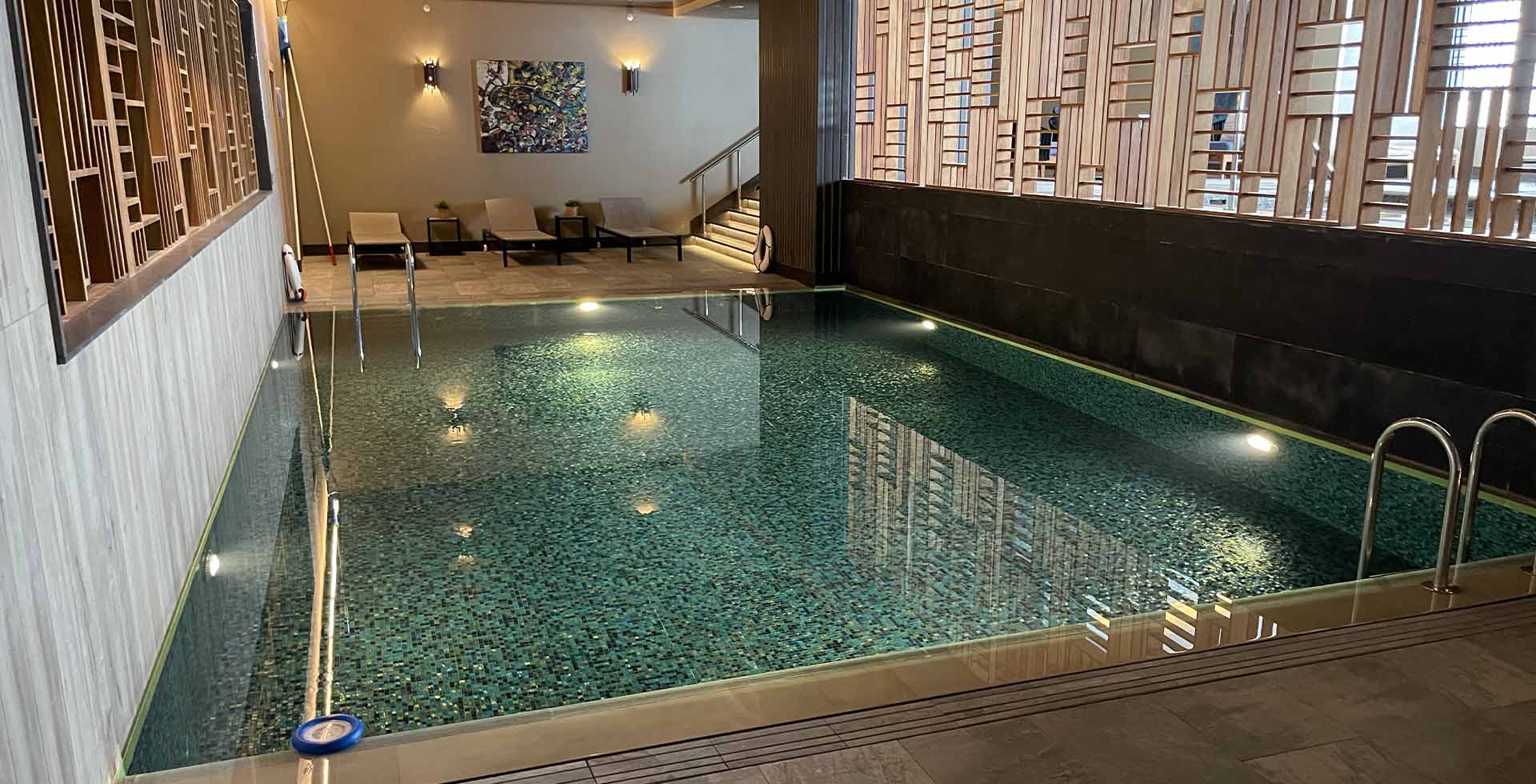
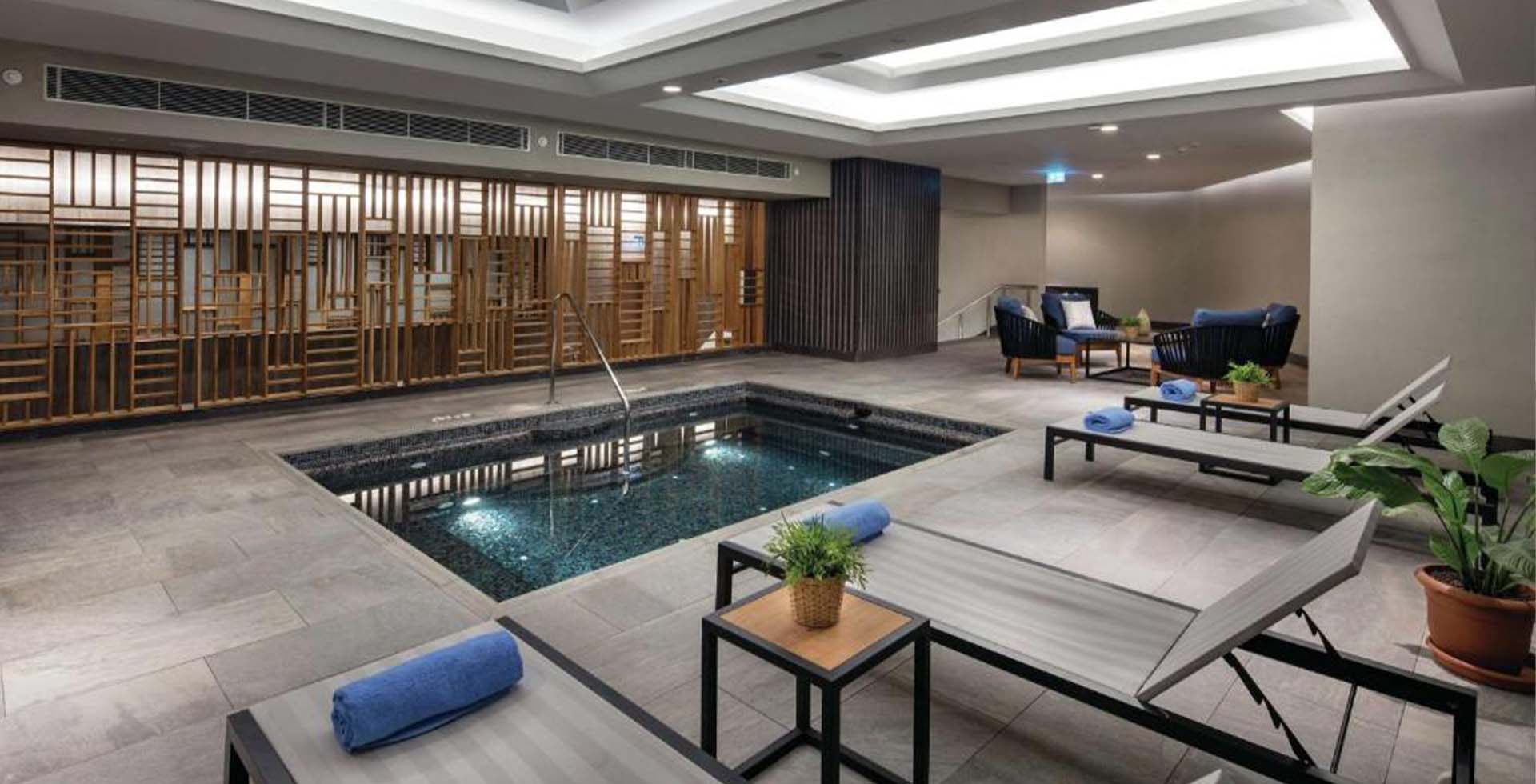
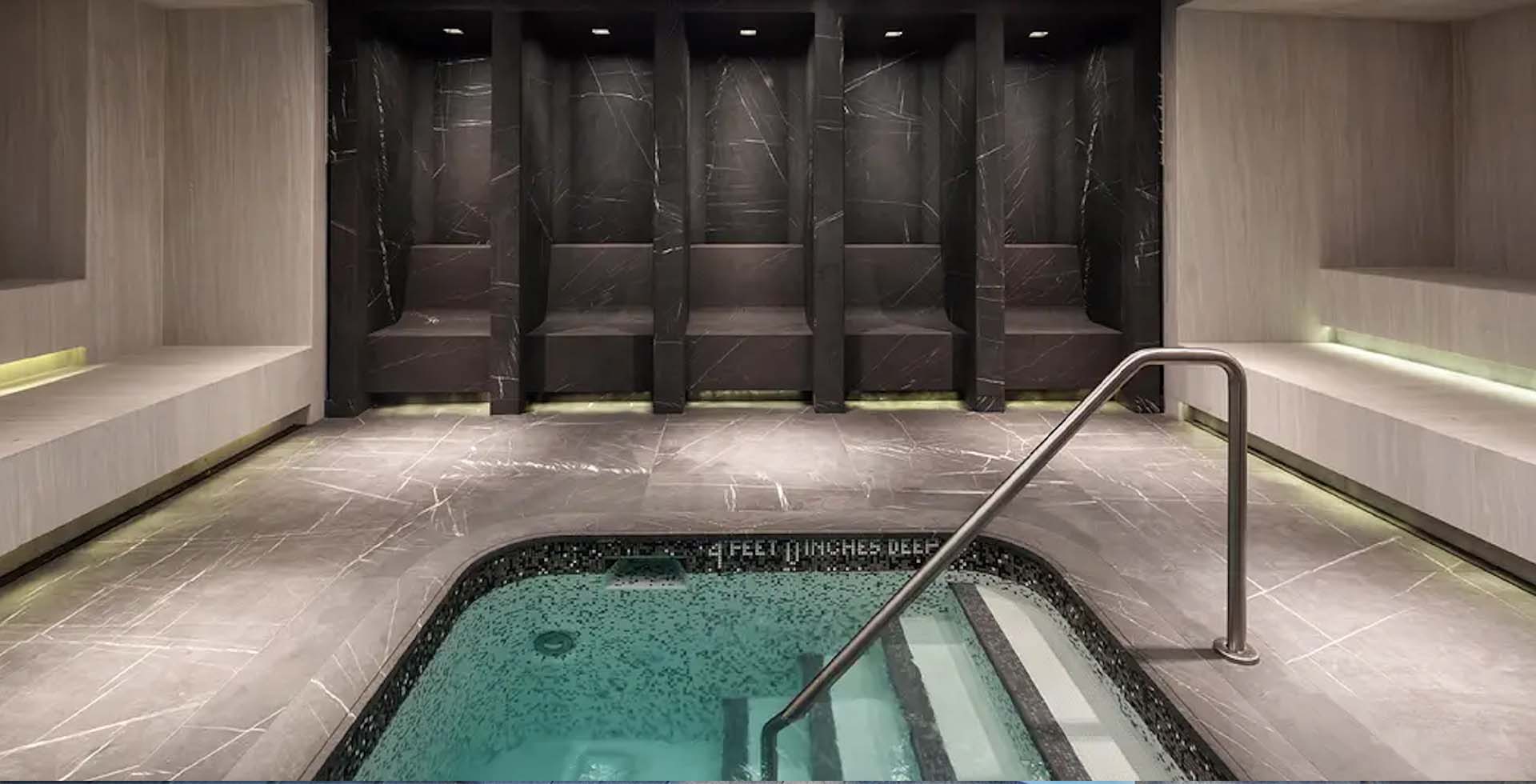
A contrast circuit needs one heat source and one cold source placed close together, and the specific equipment scales with budget and space, from a sauna-and-cold-shower pairing at home to a full thermal circuit with sauna, steam, snow, and plunge commercially. The design priority is proximity: the hot and cold elements must be steps apart, because the whole point is a fast transition.
| Setup | Heat source | Cold source | Best for |
|---|---|---|---|
| Home essential | Sauna | Cold shower or small plunge | Villas, home spas |
| Home premium | Sauna + steam | Cold plunge | Full home wellness suites |
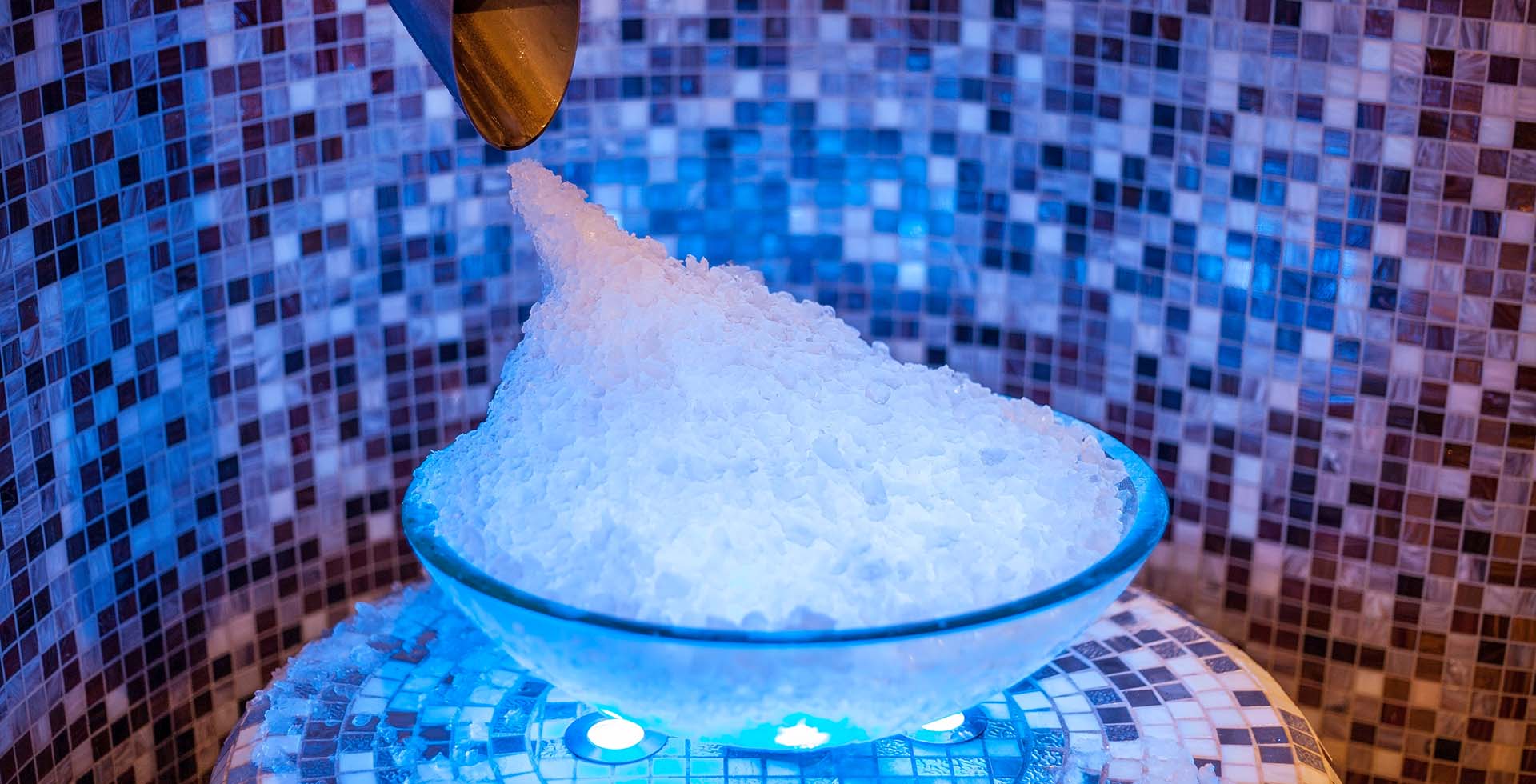
| Commercial standard | Sauna + steam room | Cold plunge + ice fountain | Gyms, hotel spas |
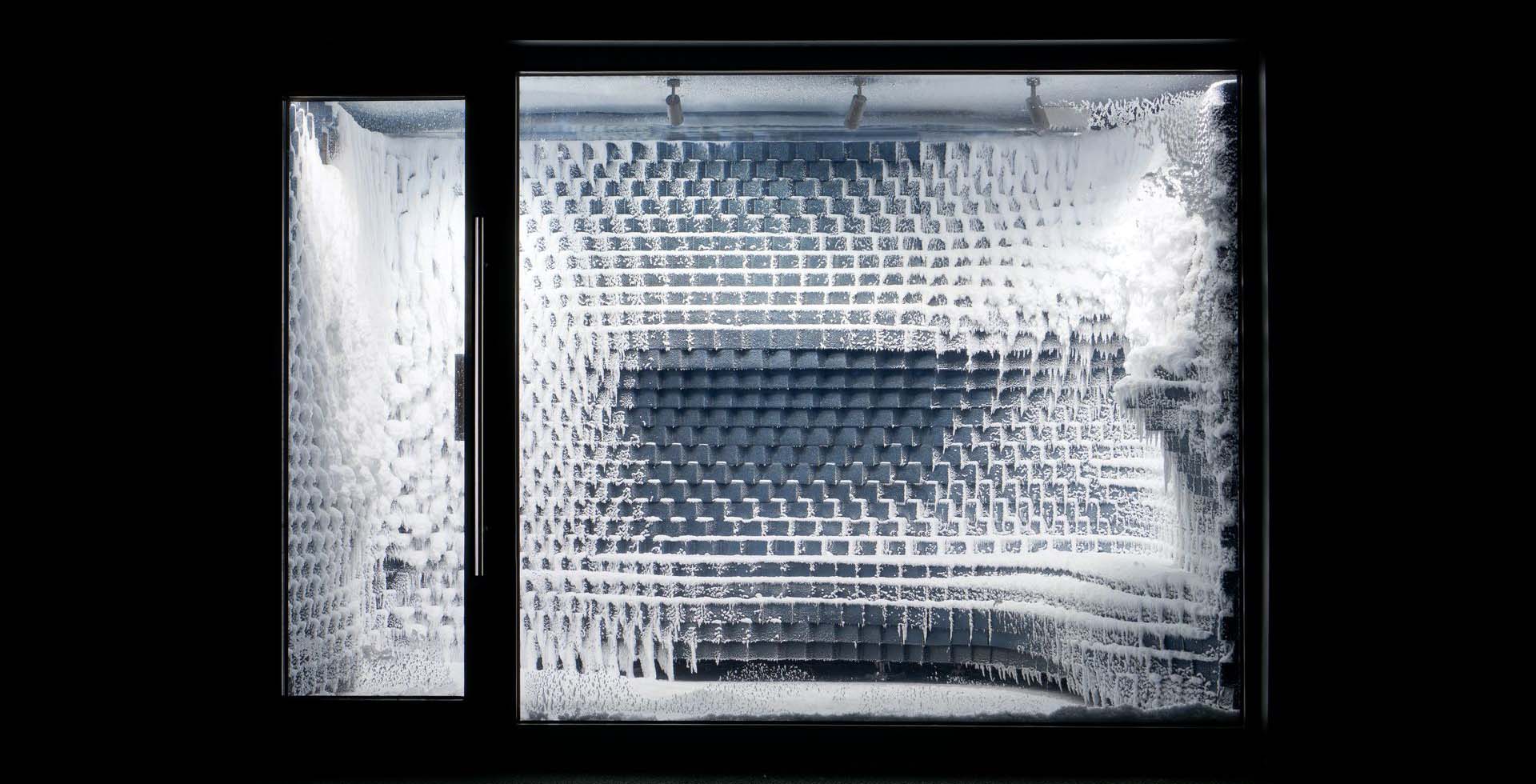
| Commercial flagship | Sauna, steam, snow room | Plunge + cryochamber | Longevity centers, clubs |
The most common home build we deliver is a sauna paired with a compact cold plunge, engineered so the two sit together as a genuine loop rather than in separate rooms.
How do you build a contrast therapy circuit?
Building a contrast circuit is a design problem, not a shopping list: the heat and cold elements must be zoned together, with drainage, waterproofing, ventilation, and a refrigeration system for the cold water all planned as one system. This is where a contrast circuit assembled from separately bought products fails, and where single-source design earns its value.
The engineering essentials we plan for:
- Proximity and flow: hot, cold, and rest steps arranged as a natural loop.
- Cold-water plant: a chiller sized to hold plunge temperature against ambient heat, essential in Dubai’s climate.
- Drainage and waterproofing: the wet zone tanked and drained as one area.
- Ventilation: managing the humidity of the heat rooms and the condensation risk of the cold.
- Safety: non-slip transitions, handrails, and sensible temperatures for the intended users.
For a home, this can be a compact corner in a private spa; for a facility, it is the backbone of the wellness floor.
Is contrast therapy safe?
Contrast therapy is safe for most healthy adults, but the combination of intense heat and cold places real demand on the cardiovascular system, so anyone with heart conditions, uncontrolled blood pressure, or who is pregnant should consult a physician first. Start conservatively with temperature and duration, never do it alone if you are new to cold immersion, and avoid alcohol.
The heat and cold each carry their own sensible limits; combined, they demand respect for session length and personal tolerance, which is why supervised protocols matter in commercial settings.
Frequently asked questions about contrast therapy
Should you end contrast therapy on hot or cold?
Generally end on cold, which leaves the vascular system constricted and delivers the alert, invigorated finish most people want. The exception is an evening session aimed at sleep, where ending warm can be more relaxing.
How long should each phase be?
A common guide is 10–15 minutes hot and 1–3 minutes cold, for 3–4 cycles. Adjust to tolerance; the cold phase especially is individual.
Is contrast therapy the same as cryotherapy?
No. Cryotherapy is cold exposure alone in a chamber. Contrast therapy alternates hot and cold. Cryo can be used as the cold element within a contrast circuit.
Do I need a cold plunge, or is a cold shower enough?
A cold shower works to start, but a plunge or ice bath delivers full-body immersion and a stronger, more consistent cold stimulus, which is why dedicated circuits use immersion.
Can I do contrast therapy at home?
Yes. The most common home contrast therapy setup is a contrast therapy sauna paired with a cold plunge or cold shower, placed together. The key is proximity and a properly engineered cold source, which is what turns two products into a real circuit.
Sources
- Laukkanen, J. A., et al. (2018). Cardiovascular and Other Health Benefits of Sauna Bathing. Mayo Clinic Proceedings, 93(8), 1111-1121. Full text
- Bleakley, C., et al. (2012). Cold-water immersion for preventing and treating muscle soreness after exercise. Cochrane Database of Systematic Reviews. Full text
Ready to build a contrast therapy circuit? Whether it is a sauna-and-plunge corner in a home spa or a full thermal circuit for a facility, our team designs the loop, engineers the water and air systems, and installs it as one accountable project. Request a free consultation and we will scope the layout and costs in AED for your space.
Sequencing matters if you lift: cold immersion straight after resistance training can blunt the adaptation you are training for. See sauna for recovery for what the trials show.
Frequently asked questions
What is contrast therapy? Contrast therapy is deliberate alternation between heat and cold – typically sauna or steam followed by a cold plunge – repeated in rounds. The vascular response to the swing, not the time spent hot, is what the protocol is after.
What is the best hot-cold protocol? A common structure is 10-15 minutes of heat followed by 1-3 minutes of cold, repeated two or three times, finishing on cold or on rest depending on the goal. Finish warm if the aim is relaxation and sleep.
What temperature should the cold plunge be? Between 8 and 15 C for most people. Colder is not automatically better; the ability to stay in and breathe calmly for a minute or more matters more than the number on the display.
Who should avoid contrast therapy? Anyone with unstable cardiovascular disease, uncontrolled blood pressure or a recent cardiac event should ask a doctor first. The swing between hot and cold is a real cardiovascular load, which is also why it works.


