




Last updated: May 2026
The pattern endurance athletes describe is consistent enough to be worth stating plainly: high training volume carried without a recovery routine costs training days to minor respiratory infections, and the change most athletes make first is two short Finnish sauna sessions a week, taken after the longest sessions rather than on rest days. Individual experience is not a controlled trial. It does, however, mirror what 25 years of published research now consistently shows.
Most people treat saunas and exercise as separate wellness habits. The evidence suggests that combining them produces a stronger immune effect than either alone. A landmark 1990 trial in Annals of Medicine found that regular sauna bathers caught roughly half as many colds over a six-month period as a matched control group (Ernst et al., 1990). A larger 2017 Finnish cohort study extended the finding to respiratory disease in general (Kunutsor et al., 2017).
This guide explains the mechanism, the protocols that work, the safety boundaries you should not cross, and how athletes and active adults use sauna therapy to recover faster from minor illness. Drawing on 40 years of building wellness facilities at Sauna Dekor, our team has compiled the practical detail that the research papers leave out.
Thinking about a home sauna for a year-round wellness routine? Explore our custom sauna range or request a free consultation with our design team.
How does combining sauna and exercise help prevent colds?
The combination works because exercise and heat exposure stimulate the immune system through different but complementary pathways. Moderate exercise increases the circulation of natural killer cells and neutrophils, while a 15 to 20-minute sauna session at 80 to 90 °C raises core body temperature by 1 to 2 °C, mimicking a mild fever and triggering heat-shock protein expression. Used together two to four times per week, the two stimuli appear to lower upper respiratory infection rates by roughly 40 to 50 % in controlled studies.
The effect is not additive in a simple sense. Exercise primes the immune system but also produces an “open window” of reduced immunity in the two to six hours after a hard session. Sauna use immediately after moderate exercise (not after exhaustive training) seems to shorten that window and may explain why the combination consistently outperforms either practice alone.
What does the research say about sauna use and cold prevention?
Three decades of evidence link regular sauna bathing to lower rates of respiratory infection. The strongest individual study is Ernst’s 1990 trial, which randomised 50 healthy adults to either regular sauna bathing or a non-sauna control group over six months. The sauna group reported significantly fewer common colds, particularly from the third month onwards. A 2017 prospective cohort study of 1,935 Finnish men found that those who sauna-bathed four or more times per week had a 41 % lower risk of pneumonia compared with one-session-per-week users (Kunutsor et al., 2017).
The Ernst 1990 trial: the foundational evidence
Ernst and colleagues ran the first randomised intervention specifically testing whether sauna use reduces common cold incidence. Participants in the sauna arm took two to three sauna sessions per week at typical Finnish temperatures of 80 to 90 °C. Over the first three months, both groups had similar cold rates. From month three onwards, the sauna group reported approximately half the cold episodes of controls. The authors hypothesised that repeated mild hyperthermia gradually adapts the immune response, much as exercise training adapts cardiovascular function.
The Kunutsor 2017 cohort: scaling the finding
Kunutsor and colleagues followed 1,935 men aged 42 to 60 for a median of 25.6 years as part of the Kuopio Ischaemic Heart Disease cohort. Sauna frequency was self-reported at baseline and grouped into one, two-to-three, and four-to-seven sessions per week. Adjusting for age, smoking, BMI, alcohol use, and socio-economic status, men in the highest-frequency group had a 41 % lower hazard ratio for pneumonia. The relationship was dose-dependent: more sessions, lower risk.
The wider evidence base
A 2018 evidence review in Mayo Clinic Proceedings synthesised the cardiovascular, respiratory, and immune benefits of sauna bathing across more than 40 published studies (Laukkanen et al., 2018). The review concluded that the cumulative effect of regular sauna use on respiratory health is comparable in magnitude to moderate exercise itself. The mechanism appears to be a combination of heat-shock protein induction, increased mucociliary clearance, and improved endothelial function.
How does exercise affect immune function and cold susceptibility?
Exercise has a J-curve relationship with immune function. Moderate exercise three to five times per week reduces upper respiratory tract infection incidence by 20 to 30 % compared with sedentary controls. Sedentary lifestyles correlate with the highest infection rates, while sustained heavy training (such as marathon-volume running) actually raises infection risk by 100 to 200 % in the two weeks following the heavy session (Nieman, 1994).
Moderate exercise: the sweet spot
The protective effect peaks at roughly 150 to 250 minutes of moderate-intensity exercise per week, distributed across three to five sessions. This is the threshold recommended by both the World Health Organization and the American College of Sports Medicine. At this dose, neutrophil and natural killer cell activity rises, salivary IgA (the first-line antibody in the upper airways) increases, and chronic low-grade inflammation falls.
The “open window” risk
After a single bout of prolonged or high-intensity exercise lasting more than 90 minutes, immune cells circulate normally for one to two hours, then drop below baseline for three to six hours. This is the “open window” during which respiratory pathogens are most likely to take hold. Marathon runners and triathletes are well aware of this; it is why the post-race period is when many endurance athletes catch their seasonal cold.
Strength training and immunity
Resistance training of two to four sessions per week produces a smaller but real immune benefit, primarily through improved body composition, reduced visceral fat, and lower systemic inflammation. The combination of cardiovascular and strength work delivers the strongest immune profile in healthy adults, and is the protocol most commonly recommended by sports medicine bodies.
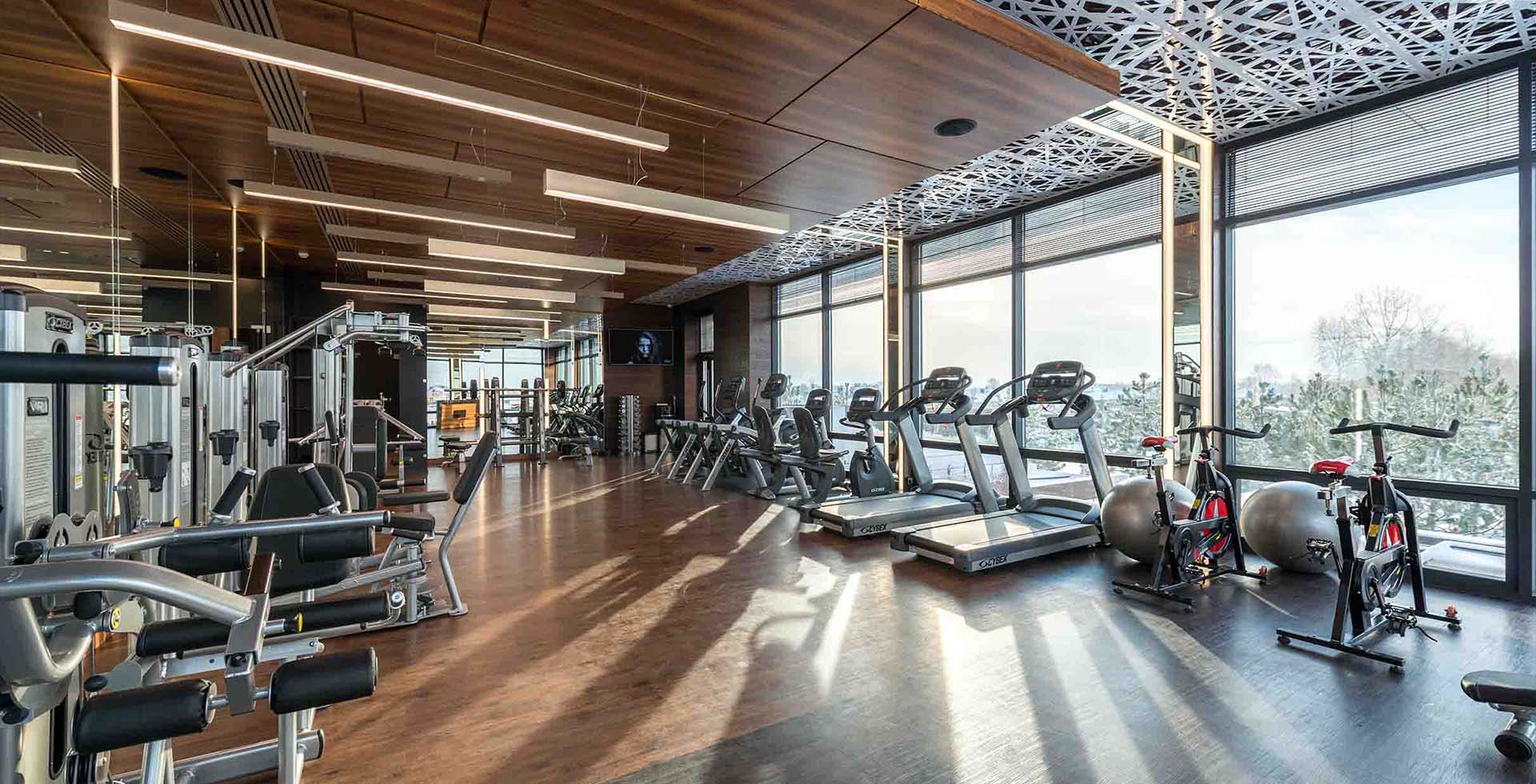
Want a recovery-focused wellness setup for your home gym? Our team designs integrated home sauna and fitness spaces that pair training rooms with custom saunas. Get a custom quote for your project.
What is the optimal protocol for combining cardio, strength training, and sauna?
A well-supported weekly protocol for an active adult is: three sessions of moderate cardio (30 to 45 minutes), two sessions of strength training (45 to 60 minutes), and two to four sauna sessions of 15 to 20 minutes at 80 to 90 °C. Sauna sessions are most effective when scheduled 10 to 30 minutes after a moderate workout, not after exhaustive training. This protocol matches the dose used in the Kunutsor 2017 cohort and aligns with the immune sweet spot identified across exercise immunology research.
A practical weekly template:
| Day | Exercise | Sauna |
|---|---|---|
| Monday | 30-min moderate cardio | 15 min, post-workout |
| Tuesday | Strength training | Optional 15 min |
| Wednesday | Rest or active recovery | No sauna |
| Thursday | 45-min moderate cardio | 15 min, post-workout |
| Friday | Strength training | Optional 15 min |
| Saturday | 30 to 45-min cardio | 15 min, post-workout |
| Sunday | Rest | No sauna |
Timing the sauna around the workout
For most adults, the post-workout window is the right time. After cardio, wait 10 to 15 minutes, rehydrate with 250 to 500 ml of water, then enter the sauna. After strength training, wait 20 to 30 minutes; this allows muscle protein synthesis to begin before heat stress is added.
Avoid using the sauna immediately after a session that pushed your heart rate above 90 % of maximum for sustained periods. The compound cardiovascular load is unnecessary stress, and the immune “open window” is wider after very heavy training.
Hydration and salt
A 15 to 20-minute sauna session at 85 °C produces 200 to 500 ml of sweat loss. Drink 500 ml of water before, and another 500 ml within an hour after. For sessions in the 20-minute range, a small pinch of salt or an electrolyte tablet in the post-session water helps replace sodium losses. Dehydration is the single most common cause of post-sauna headache.
Contrast therapy add-on
A brief cold plunge or cold shower after the sauna sharpens the cardiovascular and immune effect. The Finnish protocol of three sauna rounds with cold-water immersion between rounds has been used for centuries and is supported by the modern literature. A custom-built cold plunge pool at 8 to 12 °C, paired with the sauna, is the gold-standard installation.
Is it safe to use a sauna when you already have a cold?
Sauna use with an active mild cold is generally safe for healthy adults and may shorten symptom duration. The published trials and traditional Finnish practice agree on the same boundary: it is safe when symptoms are confined to the upper airways (runny nose, sore throat, mild cough) and the person has no fever. It is not safe when symptoms include fever, chest infection, body aches, or significant fatigue.
When sauna can help
Steam-laden and warm-air sauna environments thin nasal mucus, ease sinus congestion, and trigger a mild fever-like response that can support pathogen clearance. A 15-minute session at slightly lower temperatures (70 to 80 °C rather than 90 °C) for a person with only mild upper-airway symptoms typically feels restorative and may shorten the cold by a day or two. The traditional Finnish prescription, codified in the Finnish Sauna Society guidelines, is: light cold, light sauna, plenty of fluids.
When sauna is contraindicated
Avoid the sauna entirely when any of the following are present:
- Fever above 37.8 °C
- Chest tightness, productive cough, or shortness of breath
- Significant fatigue or body aches suggestive of influenza
- Diagnosed acute bronchitis or pneumonia
- Acute sinus infection with facial pain
In all these cases, the cardiovascular load of heat stress is added on top of an already elevated metabolic demand. Rest, fluids, and a doctor’s review are the right protocol.
Safety for cardiovascular conditions
Adults with diagnosed cardiovascular disease, uncontrolled hypertension, or recent cardiac events should consult their cardiologist before regular sauna use. The acute haemodynamic response of sauna bathing is well-tolerated by stable patients but adds load that some conditions cannot accommodate.
How do athletes use sauna therapy to recover faster from minor illness?
Athletes and active adults treat the sauna as a recovery tool rather than a treatment. The standard protocol during a mild upper-airway cold is: reduce training volume by 30 to 50 % for two to four days, switch from high-intensity to low-intensity work, and use the sauna for 12 to 15 minutes at 75 to 85 °C once daily until symptoms clear. The dose is lower than normal and the temperature is lower than peak Finnish bathing, but the frequency is daily.
Sara, a competitive open-water swimmer training out of Marseille, came to our team in 2023 wanting a recovery installation in her training centre. She caught two to three colds per winter season, each costing her four to seven days of training. Working with her coach, we designed a small bio sauna alongside her existing cold plunge for a daily 15-minute decongestion routine during the winter months. Over the following two seasons, she logged one mild cold per winter, recovered in three days each time, and missed no key competitions.
The sub-elite and elite protocol
For sub-elite and elite athletes, the protocol is more nuanced. During a periodised training block, sauna sessions are typically scheduled twice per week at 15 to 20 minutes. During taper weeks before a competition, frequency drops to once per week. During in-season illness, the daily 12 to 15-minute protocol at lower temperatures is used. The cardiovascular adaptations that come with regular sauna use (lowered resting heart rate, improved plasma volume, better thermoregulation) also confer a small performance benefit in endurance events.
Sauna type matters for athletes
Finnish saunas at 80 to 100 °C produce the strongest hyperthermic stimulus and are the standard choice. Bio saunas at 45 to 60 °C with 40 to 50 % humidity offer a gentler option that more athletes can tolerate daily without disrupting sleep or training load. Infrared saunas at 50 to 65 °C heat the body more directly through radiant energy and are often used for warm-down and muscle relaxation. The right choice depends on individual tolerance and the goal of the session.
What type of sauna is best for cold prevention and recovery?
The traditional Finnish sauna at 80 to 90 °C, used two to four times per week, has the strongest research evidence for cold and respiratory infection prevention. For daily use during an active cold, a bio sauna at 50 to 60 °C provides a gentler thermal stimulus that supports congestion relief without overstressing a system already managing infection. Infrared saunas at 50 to 65 °C are a reasonable alternative for buyers with restricted space or who find Finnish temperatures intolerable, but the direct research base for infrared and cold prevention is smaller.
A practical comparison:
| Sauna type | Temperature | Humidity | Best for cold prevention | Best for active cold |
|---|---|---|---|---|
| Finnish sauna | 80 to 100 °C | 10 to 20 % | Strong evidence | Avoid during fever |
| Bio sauna | 45 to 60 °C | 40 to 50 % | Good evidence | Excellent |
| Infrared sauna | 50 to 65 °C | Ambient | Limited direct evidence | Good |
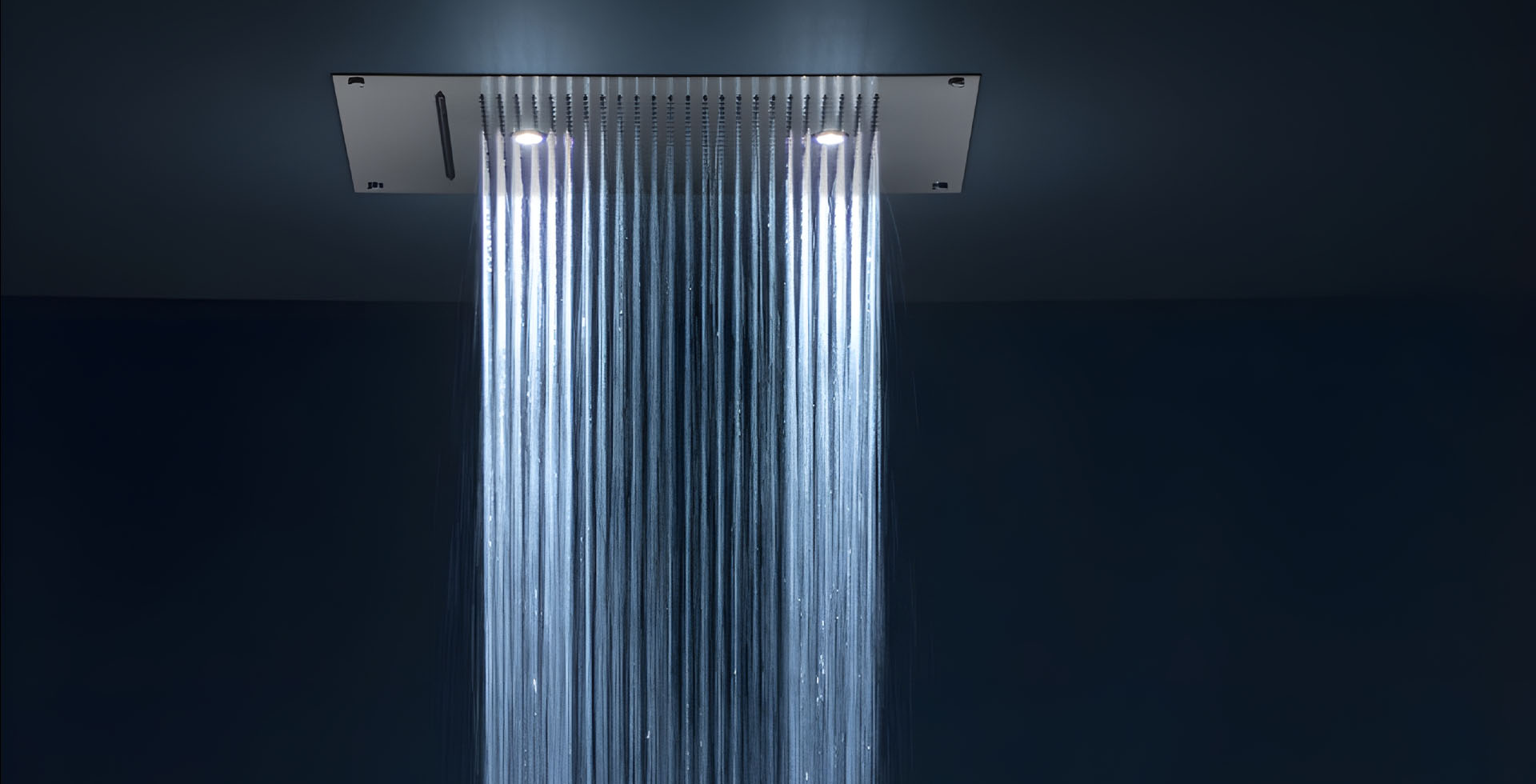
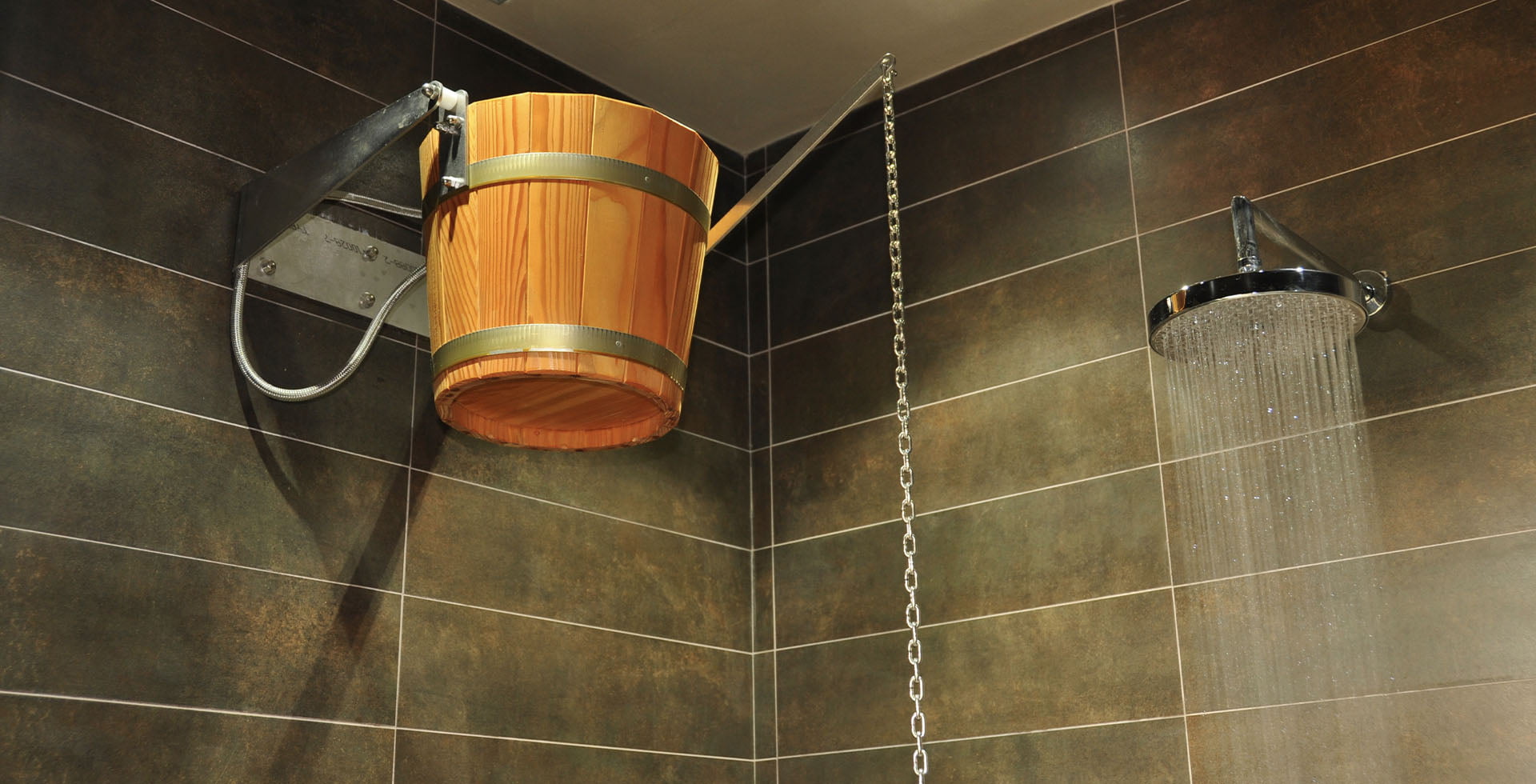
The decision in practice is usually driven by space, lifestyle, and tolerance. Many of our clients install two complementary sauna types alongside a cold plunge pool and an experience shower to support a full contrast-therapy routine. For a residential wellness suite, a custom Finnish sauna paired with an infrared sauna for daily recovery is the most popular combination. For larger commercial installations, particularly fitness centres, we often add a bio sauna for member tolerance and a fitness and sport centre design layout that integrates training and recovery rooms.
A gym recovery suite built around this pattern is a three-room set: a four-person Finnish sauna, a two-person bio sauna for members new to heat therapy, and a four-person cold plunge pool. The bio sauna is the room operators leave out of the first budget and add later. Without it, members who cannot tolerate 85 °C never use the recovery area at all, and the sauna ends up serving a fraction of the membership that paid for it.
Frequently asked questions about sauna and exercise for cold prevention
How long does it take to see fewer colds from regular sauna use?
Both the Ernst trial and the Kunutsor cohort suggest the effect builds gradually over two to three months of consistent use. The first few sessions deliver acute benefits like sinus clearance, but the immune-system adaptation that lowers infection rates takes 8 to 12 weeks of regular bathing to become measurable.
Should you sauna before or after exercise for the best immune effect?
After exercise is the standard recommendation for most adults. Pre-workout sauna can elevate core temperature and reduce subsequent performance. Post-workout sauna, 10 to 30 minutes after moderate exercise, appears to amplify the immune benefit and supports recovery without compromising the training session.
Can children use the sauna for cold prevention?
Children over six years old can use the sauna safely under adult supervision, but at reduced temperatures (60 to 70 °C) and shorter session durations (5 to 10 minutes). Finnish paediatric guidance treats sauna as a normal family practice from school age onwards, but research specifically on cold prevention in children is limited.
Does an infrared sauna prevent colds as effectively as a Finnish sauna?
The direct evidence is strongest for traditional Finnish saunas because that is what the research studies used. Infrared saunas likely confer similar benefits through the heat-shock protein pathway, but the published trials specific to cold prevention are smaller. Both are reasonable choices.
How many sauna sessions per week are needed for cold prevention?
The Kunutsor cohort showed dose-dependent benefits up to four-to-seven sessions per week. For most adults, two to four sessions per week is the practical sweet spot that captures most of the benefit without dominating the weekly schedule.
Is it safe to combine sauna with high-intensity interval training?
Yes, with timing. Avoid the sauna immediately after an HIIT session that pushed heart rate above 90 % of maximum. Wait at least 30 to 60 minutes, rehydrate, and use lower temperatures (75 to 80 °C) and shorter durations (10 to 12 minutes) for that session.
Can the sauna replace exercise for immune health?
No. Sauna and exercise complement each other but address different physiological systems. The strongest immune profile in the published literature is achieved by adults who do both. Regular sauna use cannot substitute for the cardiovascular, metabolic, and musculoskeletal benefits of physical training.
What temperature should the sauna be set to for cold prevention?
For Finnish saunas, 80 to 90 °C is the dose used in the published trials. For bio saunas, 50 to 60 °C with humidity is typical. For infrared saunas, 50 to 65 °C is the standard operating range. Higher is not better; comfort and consistency matter more than peak heat.
Sources
- Ernst, E., Pecho, E., Wirz, P., & Saradeth, T. (1990). Regular sauna bathing and the incidence of common colds. Annals of Medicine, 22(4), 225-227. PubMed
- Kunutsor, S.K., Laukkanen, T., & Laukkanen, J. A. (2017). Sauna bathing reduces the risk of respiratory diseases: a long-term prospective cohort study. European Journal of Epidemiology, 32(12), 1107-1111. PubMed
- Laukkanen, J. A., Laukkanen, T., & Kunutsor, S.K. (2018). Cardiovascular and Other Health Benefits of Sauna Bathing: A Review of the Evidence. Mayo Clinic Proceedings, 93(8), 1111-1121. Full text
- Nieman, D.C. (1994). Exercise, infection, and immunity. International Journal of Sports Medicine, 15 Suppl 3, S131-141. PubMed
Ready to build a year-round wellness routine that actually reduces sick days? Whether you are designing a private home spa, equipping a fitness centre, or specifying a hotel wellness suite, our team has 40 years of manufacturing experience and a track record with Hilton, Ritz-Carlton, and Emirates. Request a free consultation and we will design a sauna and recovery installation built to your exact space and goals.


