

What is a thermal bath?

What is a thermal bath? Discover how thermal baths and hydrotherapy can transform your health — from improved circulation and stress relief to glowing skin. A complete guide to hot spring therapy, hammam traditions, and building your spa wellness routine.
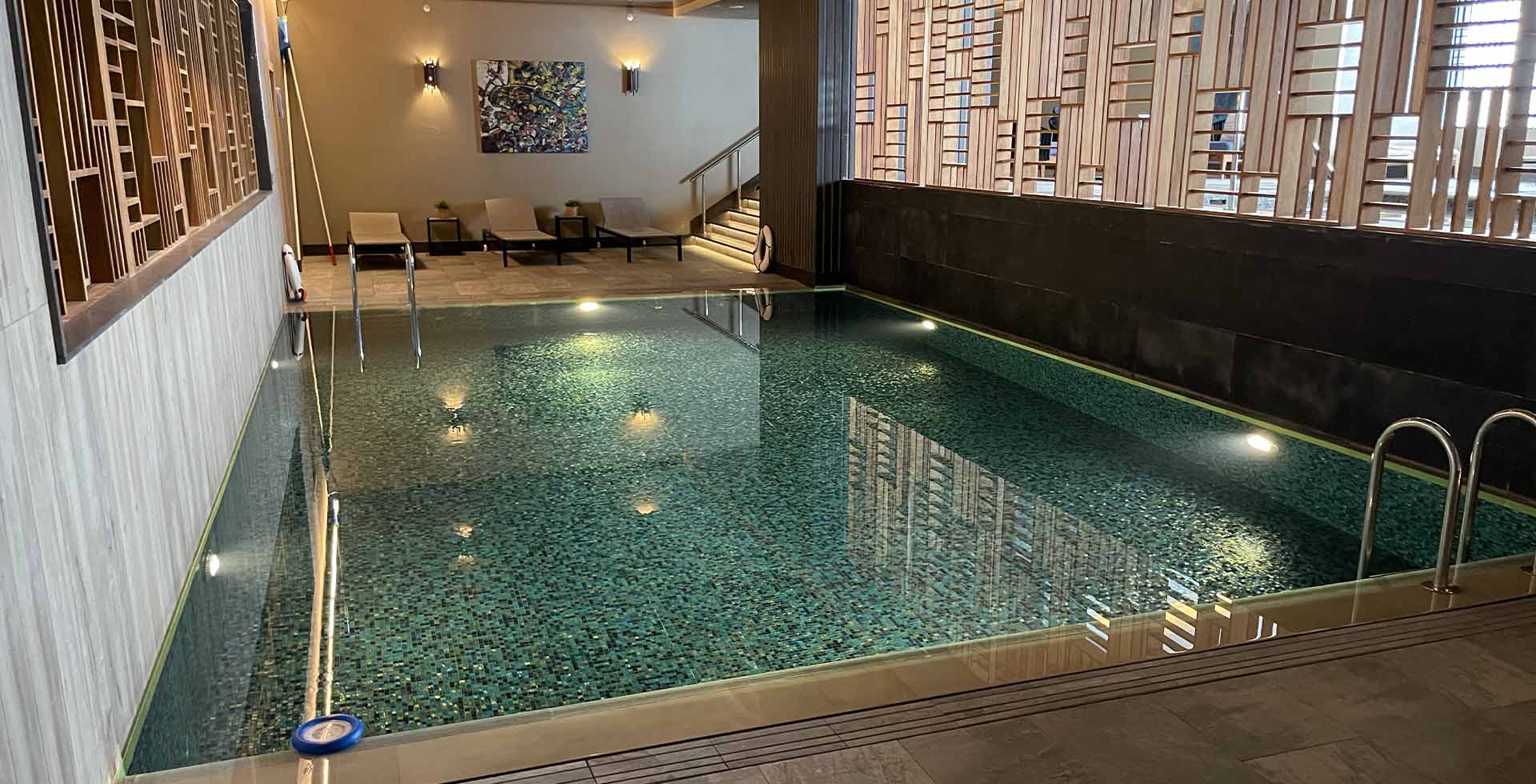
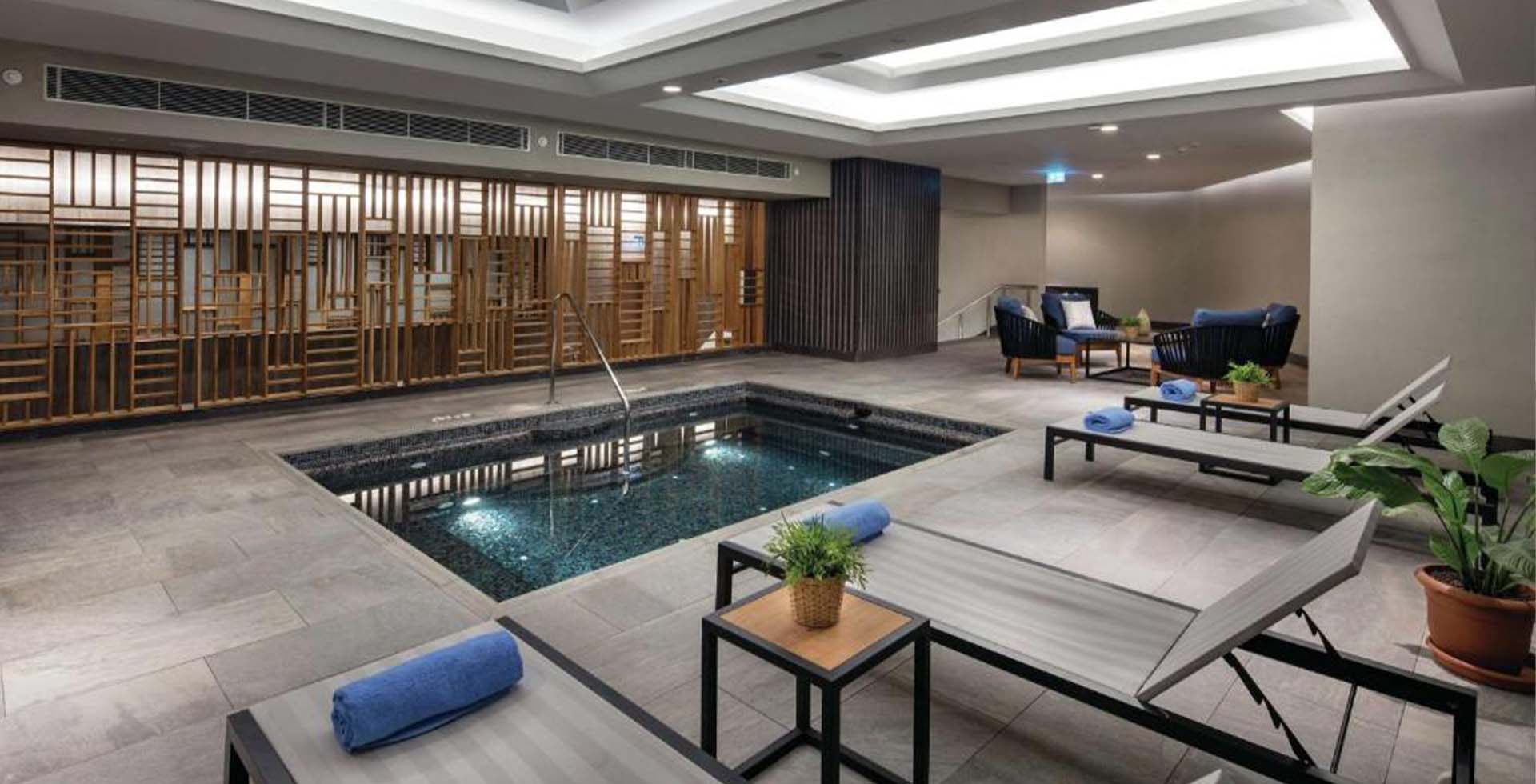
Thermal baths are natural or purpose-built bathing environments fed by geothermally heated water rich in dissolved minerals. Used for thousands of years across civilisations, they represent one of the oldest forms of natural medicine. Today, the tradition lives on through modern spa experiences — including the globally celebrated Turkish bath (hammam) and its regional cousins.
Unlike ordinary hot water baths, thermal baths combine temperature, buoyancy, and mineral absorption for a genuinely therapeutic experience. Whether you visit a geothermal spring or step into a modern hammam, the core principles remain the same: heat, minerals, and mindful relaxation working in concert.
Thermal bathing is not simply a luxury — it is a clinically recognised form of balneotherapy with documented effects on musculoskeletal, cardiovascular, and dermatological health.
2 Origins and Types of Thermal Baths
The history of thermal bathing dates back to ancient Greece and Rome, where public bathhouses were central to community life. In the Ottoman world, the Turkish bath tradition elevated bathing to a refined cultural ritual. In North Africa, the Moroccan hammam developed distinct practices centred on steam, black soap, and exfoliation.
Thermal waters form when rainwater percolates deep into the earth, is heated by geothermal energy, and resurfaces carrying dissolved minerals — creating water with unique therapeutic properties that vary by geology.
Common Types of Thermal Bathing
Geothermal Hot Springs
Naturally occurring springs heated by the Earth’s core, rich in sulfur and silica.
Mineral Thermal Pools
Constructed pools fed by mineral springs, common in spa resorts and wellness centers.
Volcanic Hot Baths
Found near volcanic regions — extremely mineral-dense with powerful healing properties.
Hammam / Steam Baths
Architectural bathing traditions from Turkish and Moroccan cultures — deeply cleansing and social.
3 Key Health Benefits of Thermal Baths
The health benefits of thermal baths span physical, mental, and dermatological wellness. Here is a structured overview of the most significant advantages:
Improved Circulation
Warm water dilates blood vessels, enhancing cardiovascular blood flow.
Stress Relief
Reduces cortisol levels, triggering deep relaxation of the nervous system.
Muscle Relaxation
Heat and buoyancy relieve tension — ideal for athletes and active people.
Skin Health
Sulfur and magnesium aid detoxification and improve skin elasticity.
Better Sleep
Evening thermal bathing soothes the nervous system and prepares the body for restful sleep.
Joint & Arthritis Relief
Reduces stiffness and inflammation, improving mobility for joint conditions.
Interested in a Professional Spa Installation?
Explore our range of hammam and thermal wellness installations for hotels, wellness centres, and private residences.
4 Hydrotherapy & Heat Therapy: How They Work
Hydrotherapy uses water’s physical properties — temperature, pressure, and buoyancy — to stimulate healing. In a thermal bath context, the combination of heat and mineral absorption creates a compound therapeutic effect. Heat therapy increases blood flow to tissues, accelerates waste removal, and delivers oxygen more efficiently. This is why a session in a well-designed modern hammam can feel more restorative than hours of passive rest.
| Therapy Type | Primary Mechanism | Key Benefit |
|---|---|---|
| Hydrotherapy | Water pressure + buoyancy reduces gravitational load on joints | Improved joint mobility, pain relief |
| Heat Therapy | Vasodilation increases blood flow and tissue oxygenation | Muscle relaxation, reduced stiffness |
| Mineral Absorption | Transdermal uptake of magnesium, sulfur, calcium | Skin health, immune support |
| Steam Therapy | Humid heat opens pores and aids respiratory function | Deep cleanse, detoxification |
5 Hot Spring Therapy: The Power of Minerals
Geothermal water carries a unique mineral signature that interacts with the skin and body during immersion — unlike ordinary tap water. These minerals can also be introduced through products like the black beldi soap used in the Moroccan hammam tradition.
| Mineral | Typically Found In | Primary Therapeutic Benefits |
|---|---|---|
| Sulfur | Volcanic springs | Antibacterial, aids eczema and psoriasis |
| Magnesium | Most thermal springs | Muscle relaxation, stress reduction, sleep |
| Calcium | Limestone-rich springs | Bone and cartilage support, skin hydration |
| Silica | Geothermal springs | Skin smoothing, anti-ageing properties |
| Bicarbonate | Carbonated springs | pH balance, cardiovascular stimulation |
6 Spa Health Benefits: Mind & Body Wellness
Beyond the physical, thermal bathing environments activate the parasympathetic nervous system — the “rest and digest” mode that modern life rarely allows. Regular use has been linked to reduced anxiety, improved mood, and enhanced mental clarity. These effects are amplified in architecturally designed spa environments where lighting, sound, and spatial flow are deliberately calibrated.
If you are considering incorporating thermal wellness into your business, our team at Saunadekor can guide you from concept to completion.
Mind & Body Benefits at a Glance
- Activates the parasympathetic nervous system, countering chronic stress
- Enhances mindfulness through sensory focus on warmth and water
- Improves mood through endorphin and serotonin release
- Supports skin rejuvenation through sweating and mineral absorption
- Promotes deeper, more restorative sleep cycles
- Provides a structured ritual for self-care and body awareness
7 Hammam & Turkish Bath Traditions
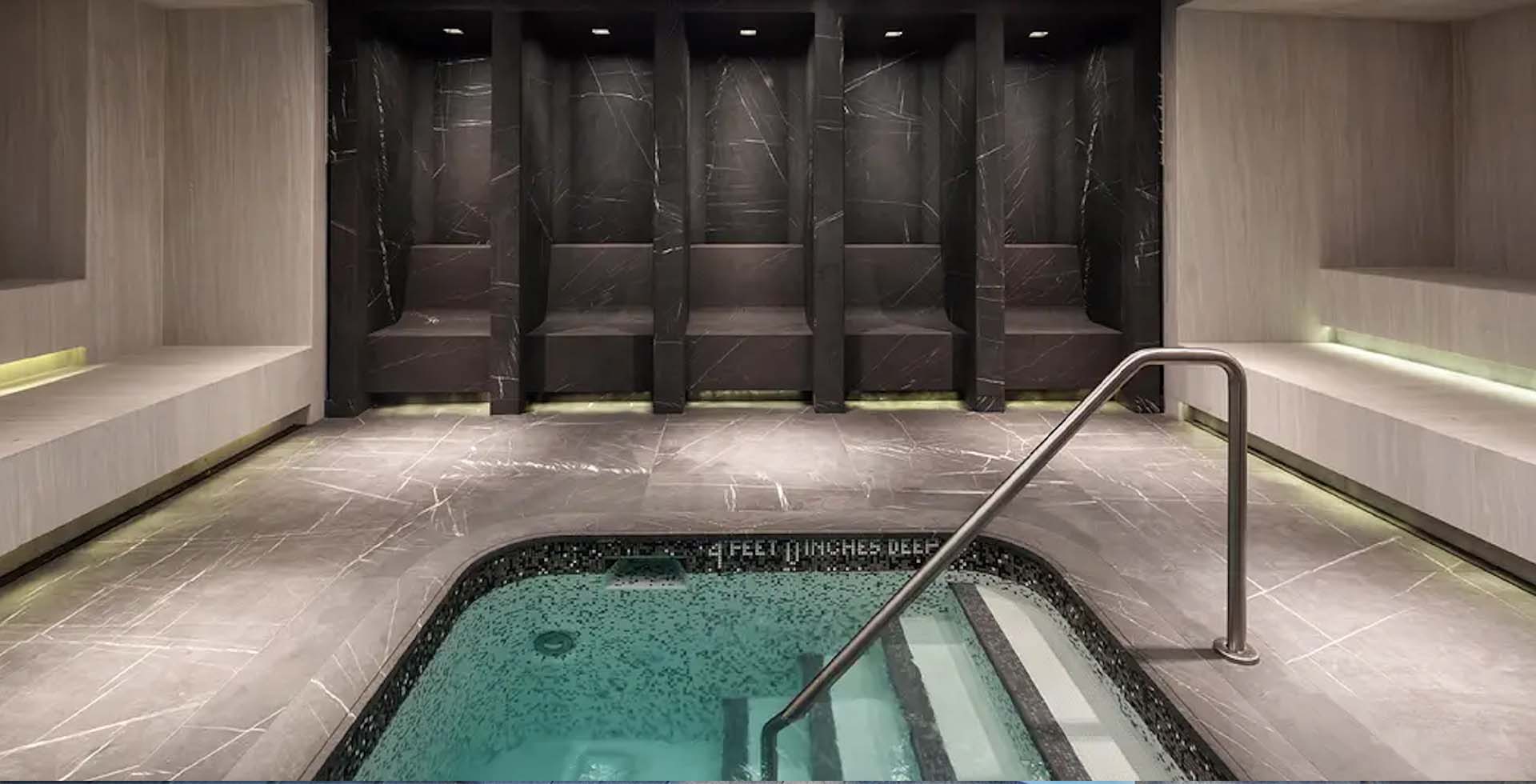
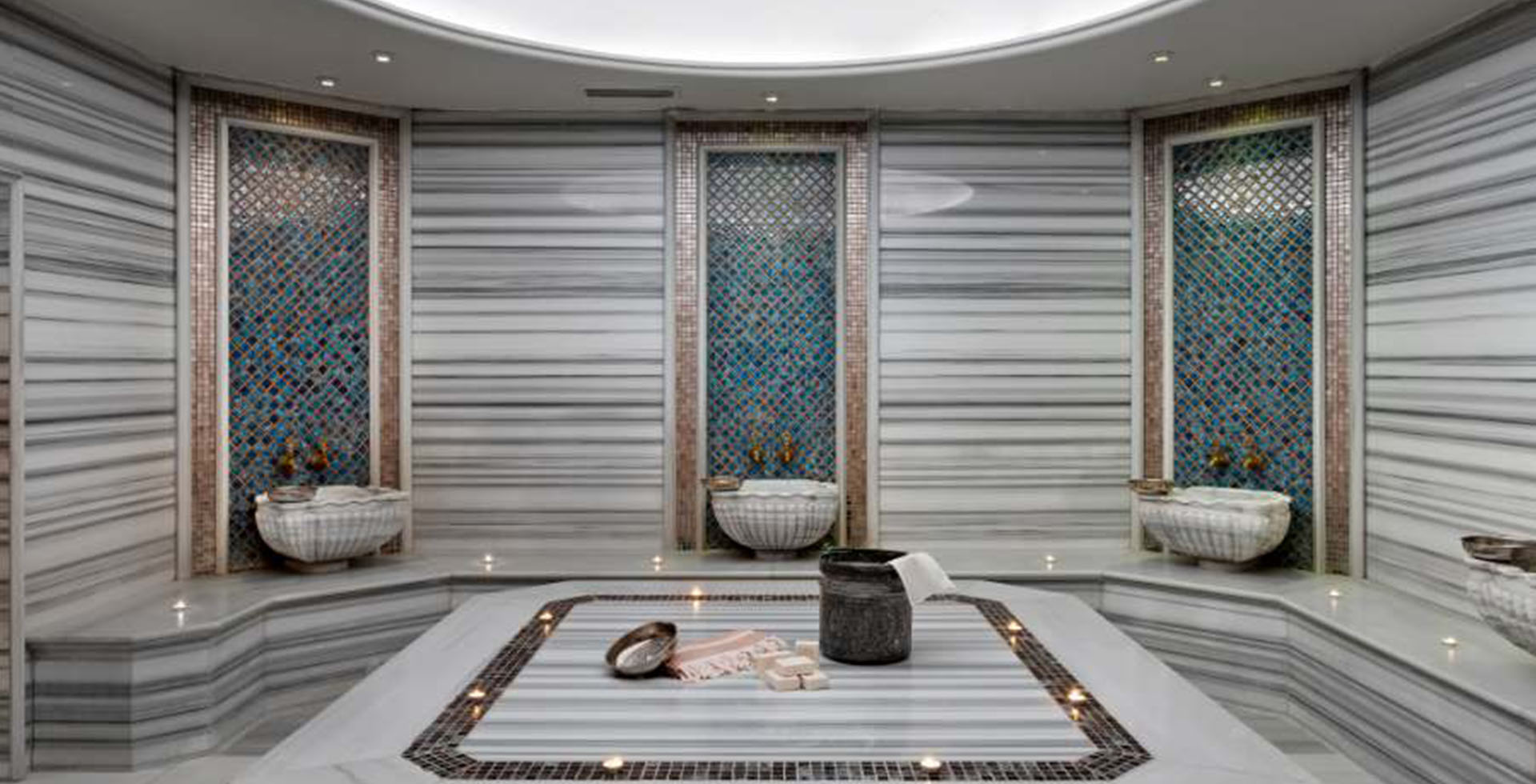
The hammam is arguably the most architecturally sophisticated thermal bathing tradition in the world. The Turkish bath evolved into a richly layered experience of heat, steam, massage, and exfoliation within elaborately tiled stone rooms — moving through three temperature zones: the warm room (sogukluk), the hot room (hararet), and the cooling area.
The Moroccan bath introduces distinctive elements: black soap made from olive oil, vigorous scrubbing with a kessa mitt, and a final rhassoul clay mask. Both traditions are now available as purpose-built installations for hotels, resorts, and private wellness spaces.
For a contemporary interpretation, our modern hammam designs blend classical functionality with contemporary aesthetics — marble and mosaic alongside chromotherapy lighting and precision steam systems.
Design Your Own Hammam Experience
From traditional Turkish baths to contemporary wellness suites — we design, supply, and install complete hammam environments for any scale.
8 How to Incorporate Thermal Baths Into Your Wellness Routine
Consistency is the key to maximising health benefits. Rather than treating it as an occasional luxury, build thermal bathing into your weekly schedule. Start with 2–3 sessions per week of 15–20 minutes each. Evening sessions are particularly effective for sleep quality.
To enhance your sessions:
- Choose a calm, low-stimulation environment
- Incorporate essential oils — eucalyptus, lavender, or eucalyptus-mint for steam environments
- Practice breathing exercises or light meditation during immersion
- Follow with a cool rinse to close pores and stimulate circulation
- Rehydrate with mineral water immediately after each session
For commercial applications, our services team can design a complete thermal wellness journey for your space. Reach out to us to discuss your project.
9 Safety Tips & Best Practices
Thermal bathing is overwhelmingly safe for healthy adults. A few precautions ensure the best experience:
| Situation | Recommendation |
|---|---|
| Pregnancy | Consult your physician; high temperatures may be contraindicated |
| Cardiovascular conditions | Begin with shorter sessions at lower temperatures; seek medical advice |
| Dehydration risk | Drink 500ml of water before and after each session |
| Temperature | Optimal range is 36–40°C; avoid exceeding 42°C for extended periods |
| Session duration | 15–20 minutes per session; always listen to your body’s signals |
| Skin conditions | Open wounds or active infections should be fully healed before bathing |
10 Frequently Asked Questions
A thermal bath uses naturally heated geothermal or mineral-enriched water containing dissolved minerals like sulfur, magnesium, and calcium. These are absorbed transdermally and have therapeutic effects beyond what plain hot water provides. Regular hot baths use standard tap water, which lacks this mineral profile.
Most wellness practitioners recommend 2–4 sessions per week of 15–20 minutes each. This frequency produces measurable improvements in circulation, sleep quality, and stress levels without putting undue strain on the cardiovascular system.
The Turkish bath emphasises progressive heat zones, marble architecture, and a traditional kese scrub. The Moroccan hammam incorporates black beldi soap, rhassoul clay, and argan oil treatments with a stronger skincare focus. Both are available as fully designed installations through our product range.
Sulfur-rich thermal waters have anti-inflammatory and antibacterial properties that can help reduce itching and scaling. However, consult a dermatologist before beginning balneotherapy for any medical skin condition, as some temperatures may exacerbate certain cases.
We specialise in complete design and installation of hammam environments for hotels, spas, and private residences. Our range includes Turkish baths, Moroccan hammams, and modern hammam suites. Contact our team for a custom consultation.
High-temperature bathing above 38–39°C is generally not recommended during pregnancy, particularly in the first trimester. Consult your obstetrician or midwife before any thermal bathing during pregnancy.


