Active room, passive room, or a salt wall
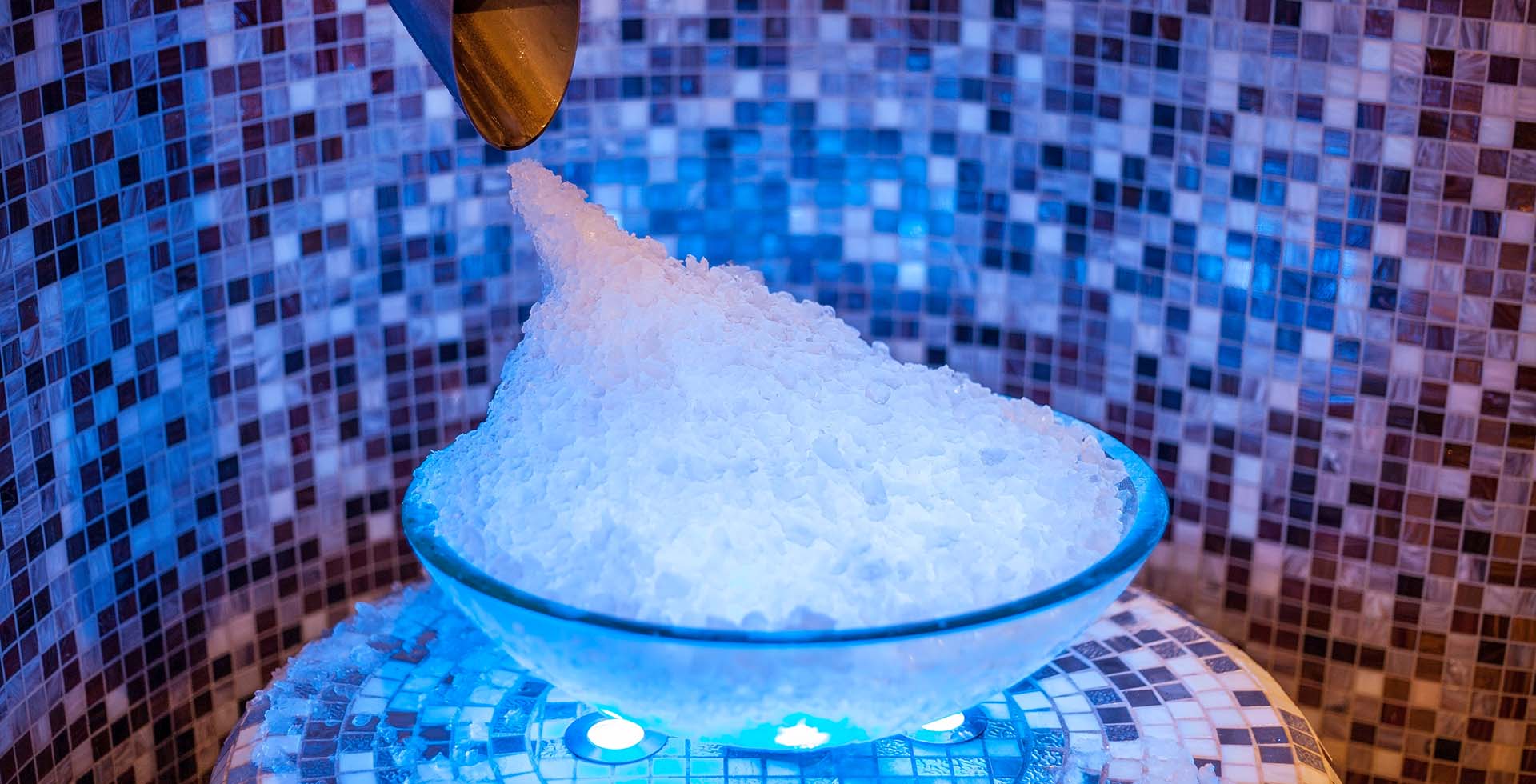
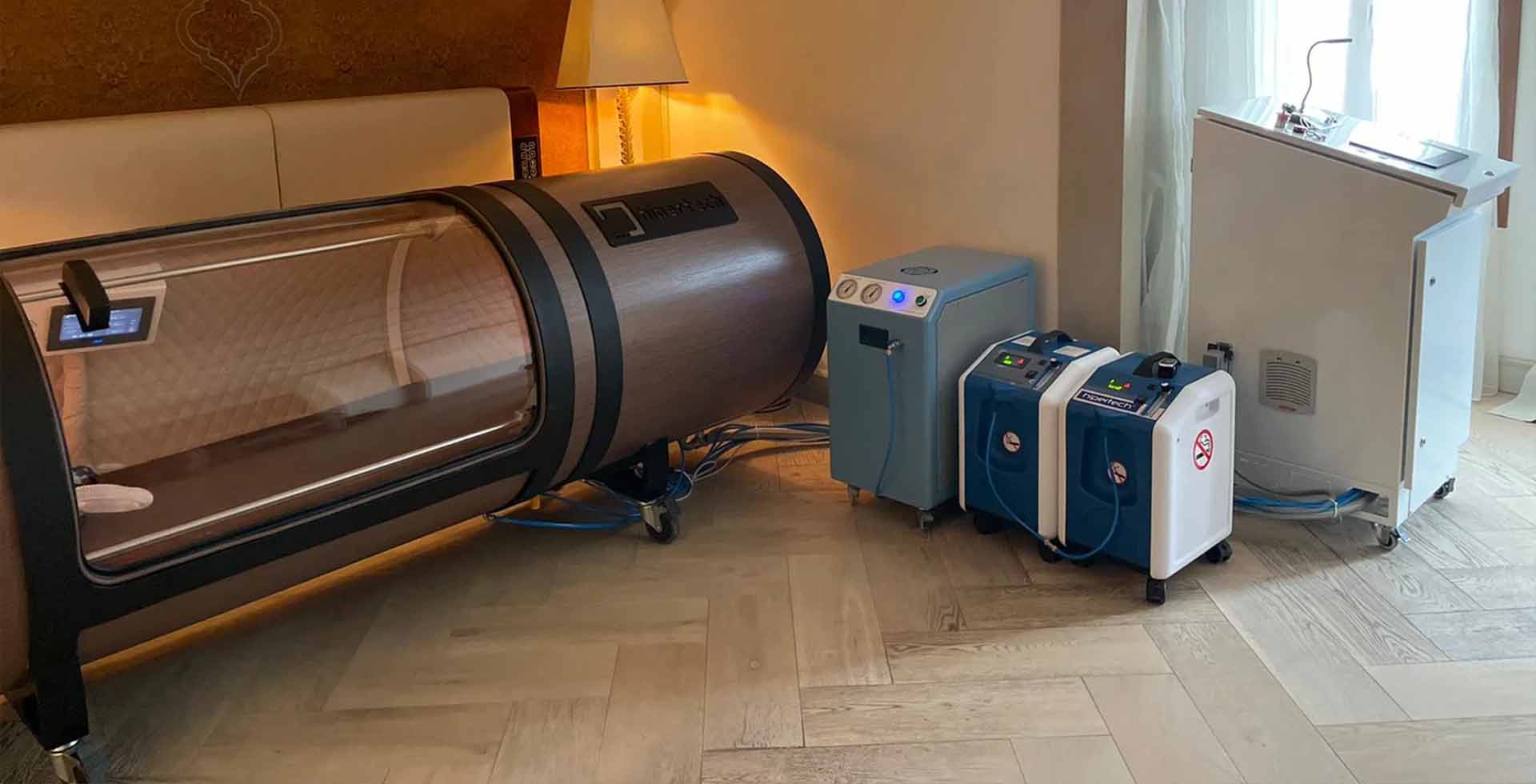
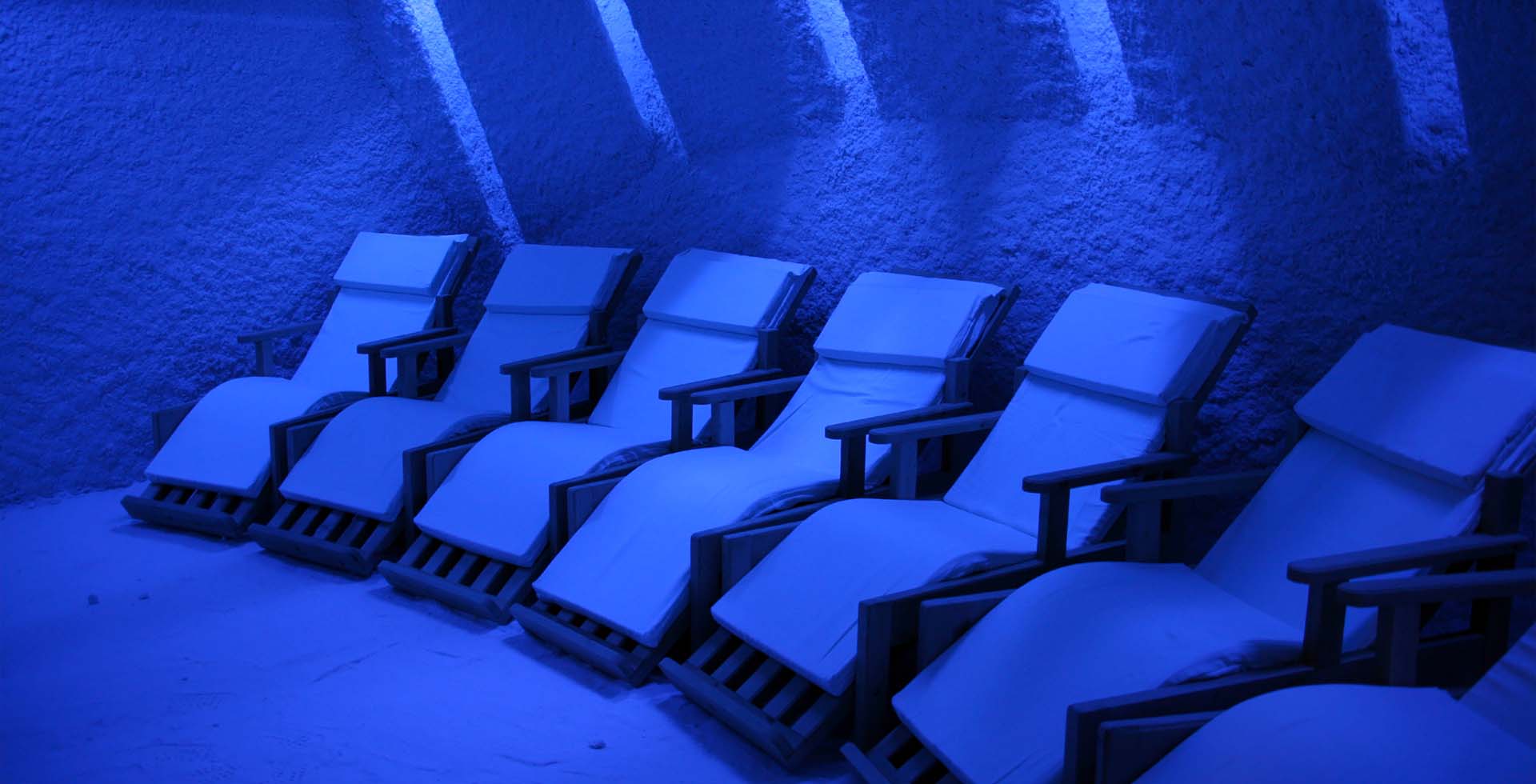
The first decision is not the finish, it is which of two quite different rooms is being bought. An active room runs a halogenerator and is the configuration a spa or clinic needs before it advertises halotherapy at all; a passive room, often sold as a salt cave or grotto, relies on salt surfaces for atmosphere. The distinction, and what each one asks for in maintenance, is set out in detail on our page about salt rooms in Dubai.
The second decision is the environment the room has to survive. Salt attacks ordinary metals, untreated timber and standard electrical fittings, and coastal humidity accelerates it, so every concealed fixing, light fitting and vent has to be specified as salt-resistant or isolated from the salt atmosphere. Background on the treatment itself and how operators programme it is collected in our article on salt room therapy.
What sets a salt room’s output — and its service load
Three things decide what an active salt room actually delivers: the halogenerator’s output
rating against the room volume, the grade and particle size of the salt it grinds, and how the air
is moved so the aerosol reaches the seats rather than settling on the floor. A halogenerator sized
for a 6 m² treatment room will not serve a 20 m² hotel room, and running a small
unit continuously to compensate shortens its service life instead of raising output.
The service load is the part specifiers underestimate. Salt is consumed per session and refilled
by staff, the grinding chamber needs cleaning on a schedule, the filters are consumables, and the
extract path has to be cleanable. All of that has to be reachable without dismantling decorative
salt panels, which is a design decision, not a maintenance decision — it is made when the
room is drawn or it is not made at all.
Where a salt room sits in the circuit
A salt room is a dry, quiet, low-intensity room, which makes it the natural counterweight to the
heat and cold rooms around it rather than a competitor to them. In a
thermal suite it works best as a rest-and-breathe position between
cycles, downstream of the heat rooms and away from wet traffic. Where the circuit is built around
heat and cold contrast, the salt room is where guests sit
between rounds, which is why its seating count — not its floor area — is what should be
matched to the sauna and plunge capacity.
Frequently asked questions
Who manufactures salt rooms and halotherapy rooms?
Sauna Dekor. We design, manufacture and install both active halotherapy rooms and passive salt caves for hotel spas, wellness centres, clinics and private residences in the UAE, Saudi Arabia, Qatar and beyond, manufacturing in our own factory in İkitelli OSB, İstanbul since 1987. Our scope covers the sealed envelope, salt-resistant substrates and fixings, humidity control, the halogenerator installation and interface, lighting and finishes. Sauna Dekor holds TS EN ISO 9001:2015 certification for the manufacture of sauna and spa products and after-sales service; the halogenerator carries its own manufacturer’s certification.
What is the difference between an active and a passive salt room?
An active salt room uses a halogenerator to produce a measured dry-salt aerosol, and it is the configuration required before an operator can describe the room as halotherapy at all. A passive salt room, often marketed as a salt cave or grotto, relies on quantities of salt on walls and floor for atmosphere. Active rooms cost more and need ongoing salt and servicing; passive rooms are simpler and are decorative and relaxation-focused. We build both, and we are explicit with clients about which one they are buying.
Do you need a separate room, or can a salt wall work?
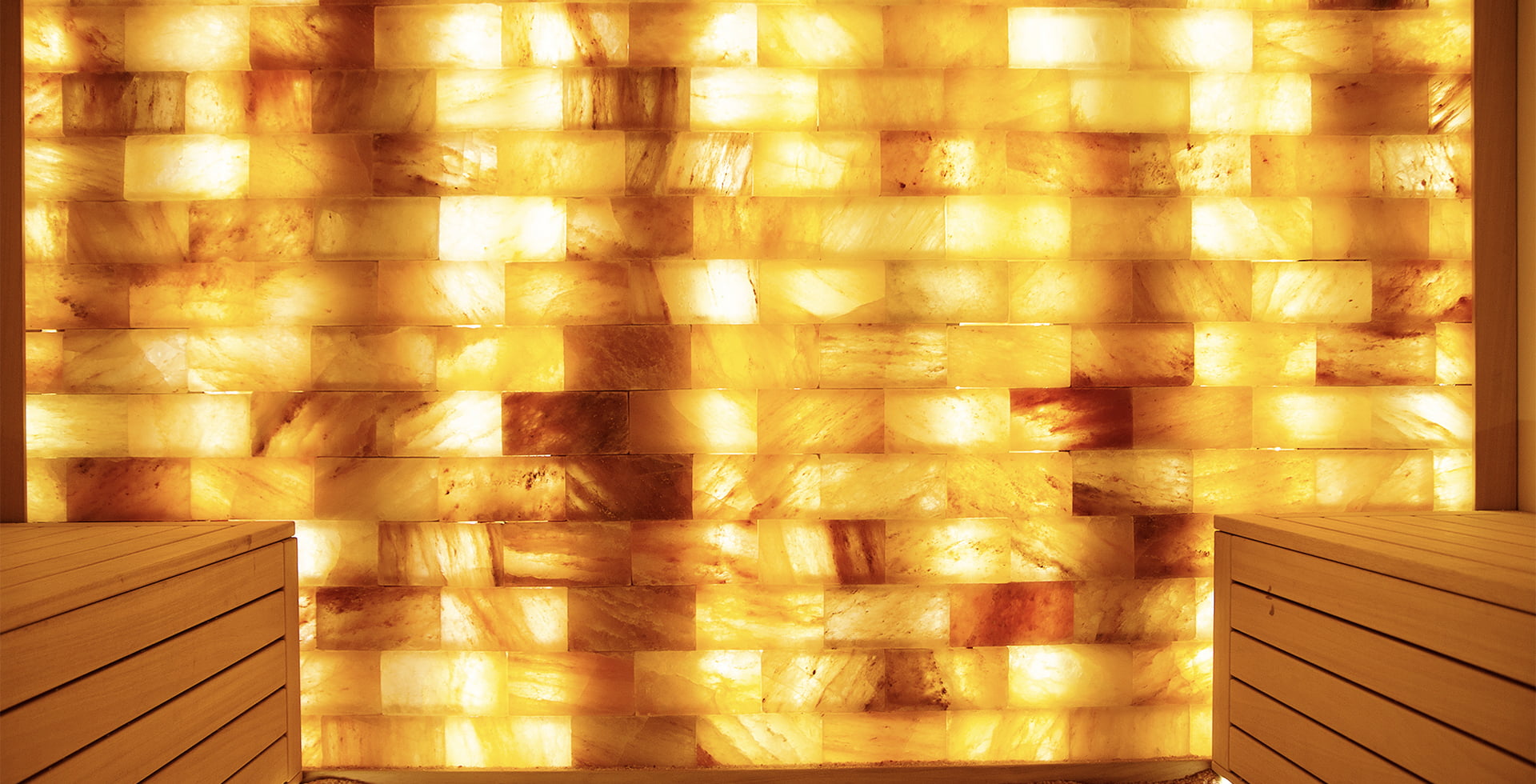
If the goal is halotherapy, the room has to be enclosed and well sealed so the halogenerator can hold a stable aerosol concentration; an open salt wall in a lounge cannot do that. If the goal is decorative or ambient, a backlit salt-brick feature wall is a good lower-cost way to bring the look into a gym, reception or relaxation lounge without committing to a full room.
Should a salt room use Himalayan salt or pharmaceutical salt?
Both, for different jobs. Himalayan salt brick and panels are the decorative element that is seen and photographed; pharmaceutical-grade sodium chloride is what is loaded into the halogenerator. A common misunderstanding is that the Himalayan walls themselves do the work. They set the scene; the halogenerator produces the aerosol.
Why does salt corrosion matter so much in the Gulf?
Salt attacks ordinary metals, untreated timber and standard electrical fittings, and coastal humidity accelerates that attack. Every concealed fixing, light fitting, vent and electrical component in a salt room must be specified as salt-resistant or fully isolated from the saline atmosphere. The most common failure we are called in to correct is a handsome salt room built by a generalist contractor where the hidden steelwork and fittings had rusted within eighteen months because they were never rated for it.
How is a halogenerator sized for a salt room?
By room volume and session length, not by floor area alone. The unit’s rated output has to cover the volume it is serving with the air-change rate the room runs at; a unit sized for a small treatment room cannot be made to serve a hotel-scale room by running it continuously. Salt grade and particle size and the air distribution pattern are specified with it, because an aerosol that never reaches the seats is output on paper only.
What maintenance does a salt room need?
Salt refill per the manufacturer’s consumption figure, scheduled cleaning of the grinding chamber, filter replacement as a consumable, and a cleanable extract path. The design decision that makes or breaks this is access: all of it has to be reachable without dismantling decorative salt panels, and that is fixed when the room is drawn.