






Last updated: March 9, 2026
By Sauna Dekor Wellness Editorial Team
Reviewed for general wellness education
Choosing the right sauna room can shape the entire character of a wellness space. The ideal sauna should match the intended experience, available layout, design language, and long-term wellness goals. In this guide, we explore the main sauna room types, key sauna benefits, essential design and construction considerations, and how sauna rooms can be integrated into luxury spa and residential wellness projects.

Understanding Sauna Room Types
Sauna rooms come in several formats, and each one creates a different kind of wellness experience. Understanding these differences helps spa developers, architects, and homeowners choose the right fit for their project. The most common categories are traditional saunas, infrared saunas, and portable saunas.
Traditional saunas use heated stones to produce a hotter and more humid atmosphere. This format is often preferred by users who value a classic sauna ritual and the full sensory experience of heat and steam.
Infrared saunas work differently. They use radiant heat that is absorbed more directly by the body rather than heavily heating the air. This usually creates a milder experience while still appealing to users seeking relaxation and wellness support. If you want to explore this category in more detail, you can browse our infrared sauna solutions.
Portable saunas are the most flexible option. They are often chosen for smaller spaces or personal use where permanent installation is not the priority.
- Traditional Sauna: A classic steam-and-heat experience
- Infrared Sauna: Radiant heat with a gentler thermal profile
- Portable Sauna: Flexible and space-conscious for personal use

Key Sauna Benefits for Wellness Spaces
Sauna rooms are widely valued for the role they play in relaxation and wellness-oriented environments. Heat-based experiences are often associated with improved circulation, support for sweat-based detox routines, and a calming transition away from everyday stress.
Saunas are also commonly used in skin-focused wellness rituals because heat can help open pores and contribute to a refreshed appearance. Just as importantly, the ritual of entering a sauna can support the emotional side of wellness by encouraging stillness, rest, and recovery.
For wellness spaces, these benefits make saunas more than just a feature. They become a strategic part of the guest journey. To explore related wellness insights, you can also read our guide on wellness-focused therapy benefits.
- Support for circulation-focused routines
- Sweat-based detox and thermal recovery experiences
- Skin-focused wellness rituals
- Relaxation and stress reduction
Traditional vs. Infrared vs. Portable Sauna: Which Is Best?
The best sauna room depends on how the space will be used. Traditional saunas are ideal for users who want the classic ritual of steam, stones, and immersive heat. They are often favored in premium spas where the sensory atmosphere is part of the luxury experience.
Infrared saunas are often chosen by users who want a more modern, efficient, and gentler heat experience. They can be especially suitable for residential wellness rooms and design-led spa projects. Our infrared sauna collection is a good reference point for this category.
Portable saunas are practical for individuals who want flexibility, but they are typically less aligned with long-term luxury spa planning. In commercial or high-end residential projects, a built-in sauna room generally offers a more durable and refined result.
- Traditional Sauna: Authentic, immersive, and humidity-rich
- Infrared Sauna: Modern, efficient, and lower-temperature
- Portable Sauna: Flexible but less permanent
When choosing between these options, it helps to consider the guest profile, available space, operational goals, and overall design vision.

Essential Design and Construction Considerations
The performance of a sauna room depends heavily on how it is designed and built. Material selection is one of the most important factors. Woods such as cedar and hemlock are often favored because they perform well under heat and contribute to the sauna’s atmosphere.
Ventilation is equally important. Proper air circulation helps maintain comfort, protect materials, and support long-term durability. Energy efficiency should also be considered from the start, especially in commercial environments where operational costs matter.
Key design priorities typically include:
- Durable and heat-appropriate material selection
- Safe and effective ventilation design
- Efficient insulation and energy performance
- User comfort, accessibility, and maintenance planning
If you are developing a sauna as part of a larger project, our services cover design, technical planning, and implementation support.
Integrating Sauna Rooms into Luxury Spa and Wellness Projects
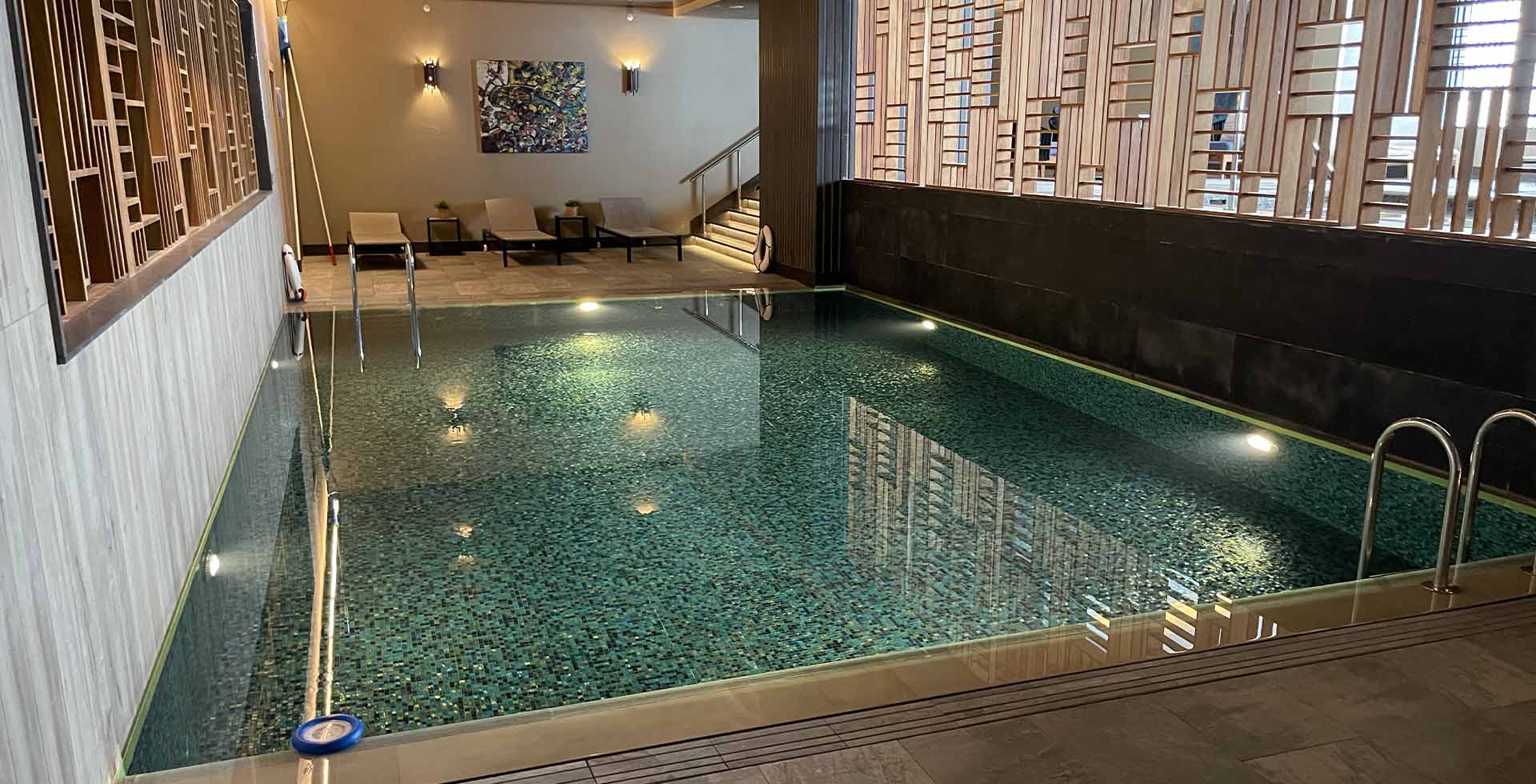
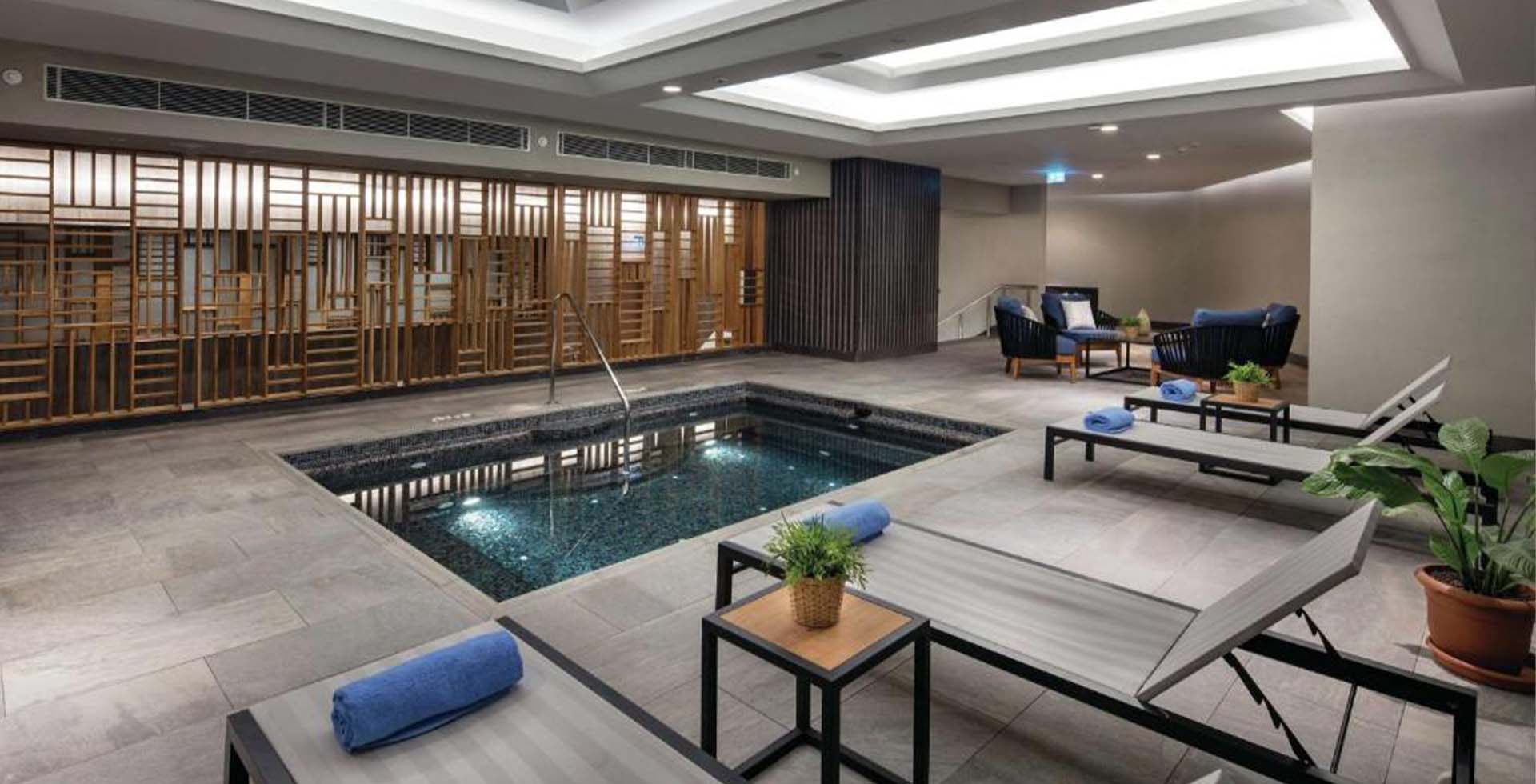
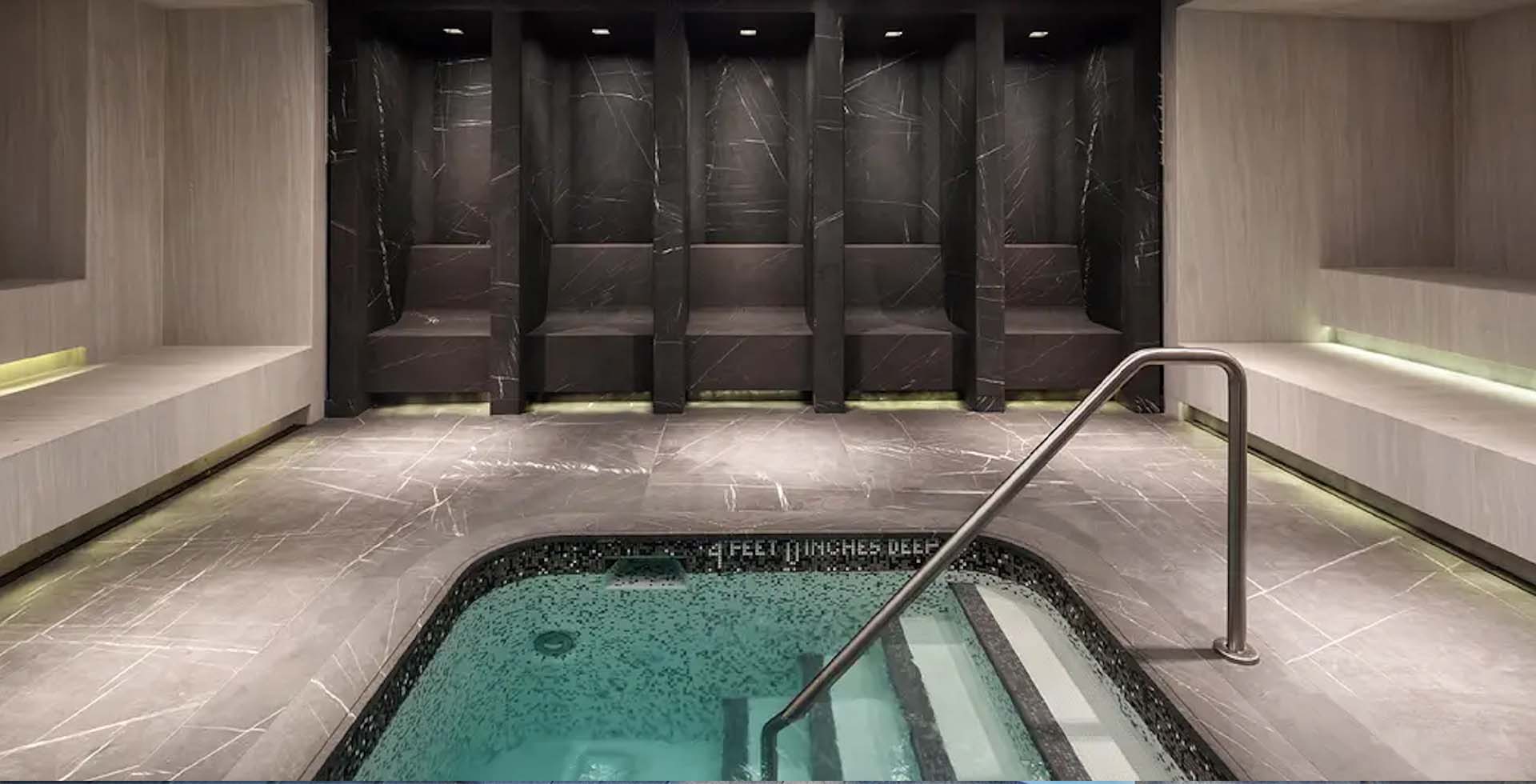
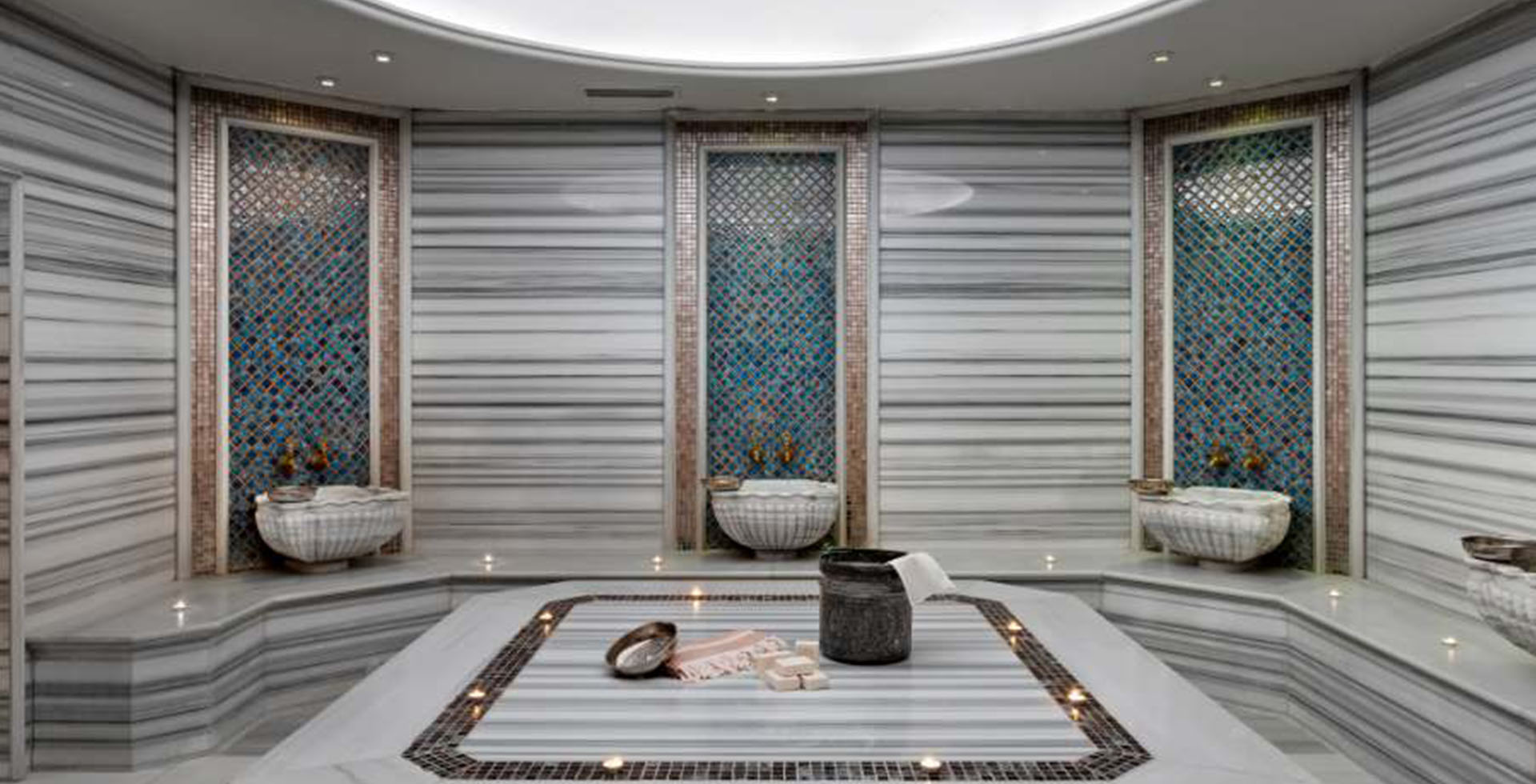
In luxury spa planning, a sauna room should never feel isolated. It should connect naturally with the rest of the wellness journey, whether that includes pools, cold plunges, relaxation lounges, hammams, or treatment zones.
Strategic placement matters. Positioning the sauna near complementary wellness functions can improve user flow and strengthen the feeling of continuity across the guest experience.
Sauna rooms also benefit from design customization. Lighting, material selection, spatial proportions, and sensory features can all help make the room feel more premium and better aligned with the overall brand identity of the project.
- Place saunas near complementary wellness zones
- Create a seamless transition between thermal and relaxation areas
- Use customization to match the spa’s design language
For inspiration on holistic wellness environments, explore our private spa solutions.

Customization, Technology, and Sustainability in Sauna Design
Today’s sauna rooms are expected to do more than provide heat. Clients increasingly look for personalization, comfort, and sustainability. Features such as aromatherapy, mood lighting, and smart controls can enhance usability and elevate the perceived quality of the space.
Technology also plays an important role in energy management and user experience. Smart temperature systems, timed controls, and modern engineering can improve both convenience and operational efficiency.
Sustainability should be part of the design conversation from the beginning. Eco-conscious material choices and efficient systems can help reduce environmental impact while also supporting long-term cost efficiency.
- Personalization through sensory and comfort features
- Smart technology for better control and performance
- Eco-conscious materials and efficient energy use
To learn more about our philosophy and project approach, visit our about us page.
Conclusion: Making the Right Choice for Long-Term Success
Choosing the right sauna room means balancing aesthetics, user expectations, technical performance, and long-term value. Whether the goal is a classic traditional sauna, an energy-conscious infrared solution, or a broader wellness environment, the right decision starts with understanding the intended experience.
A thoughtfully planned sauna room can enhance both the emotional and functional value of a spa project. When properly designed and integrated, it becomes a long-term investment in wellness, guest satisfaction, and architectural distinction.
Frequently Asked Questions
What is the best type of sauna room?
The best sauna room depends on the user’s goals, available space, and preferred experience. Traditional saunas offer a classic heat-and-steam ritual, infrared saunas provide gentler radiant heat, and portable saunas suit smaller spaces or flexible use.
What is the difference between a traditional sauna and an infrared sauna?
A traditional sauna heats the air and stones to create a hotter, more humid environment, while an infrared sauna uses radiant heat that is absorbed more directly by the body and usually operates at lower temperatures.
What are the benefits of a sauna room?
Sauna rooms are often used to support relaxation, circulation, skin-focused wellness routines, and post-exercise recovery. Results vary depending on frequency of use and the individual’s overall lifestyle.
Is an infrared sauna a good choice for home wellness spaces?
Infrared saunas are often a strong option for home wellness spaces because they can offer a comfortable heat profile, efficient energy use, and a design that integrates well into modern residential spa environments.
What should be considered when designing a sauna room?
Important design considerations include sauna type, layout, materials, insulation, ventilation, energy efficiency, safety, user flow, and how the sauna fits into the larger wellness environment.
Can a sauna room be integrated into a luxury spa project?
Yes. Sauna rooms are commonly integrated into luxury spa and wellness projects, especially when paired with pools, relaxation areas, and customized wellness features that create a seamless guest experience.
Are portable saunas suitable for commercial spa projects?
Portable saunas are generally more suitable for personal or flexible use. For commercial spa projects, built-in traditional or infrared sauna rooms are usually the stronger long-term choice.
How can I choose the right sauna room for my project?
Start by defining the desired user experience, available space, design goals, and long-term operational needs. Consulting an experienced sauna design and implementation team can help ensure the right solution.
Medical Disclaimer
This article is for general informational and educational purposes only and does not constitute medical advice, diagnosis, or treatment. Sauna use may not be appropriate for everyone. Always consult a qualified healthcare professional before beginning any new heat-based wellness routine, especially if you have a medical condition, are pregnant, take medication, or have cardiovascular or heat-sensitivity concerns.
Explore Sauna & Wellness Solutions
Looking to integrate a sauna room into a residential or commercial wellness environment? Explore our services, discover our private spa solutions, browse our infrared sauna collection, or contact our team to discuss your project.

