


Last updated: April 2026
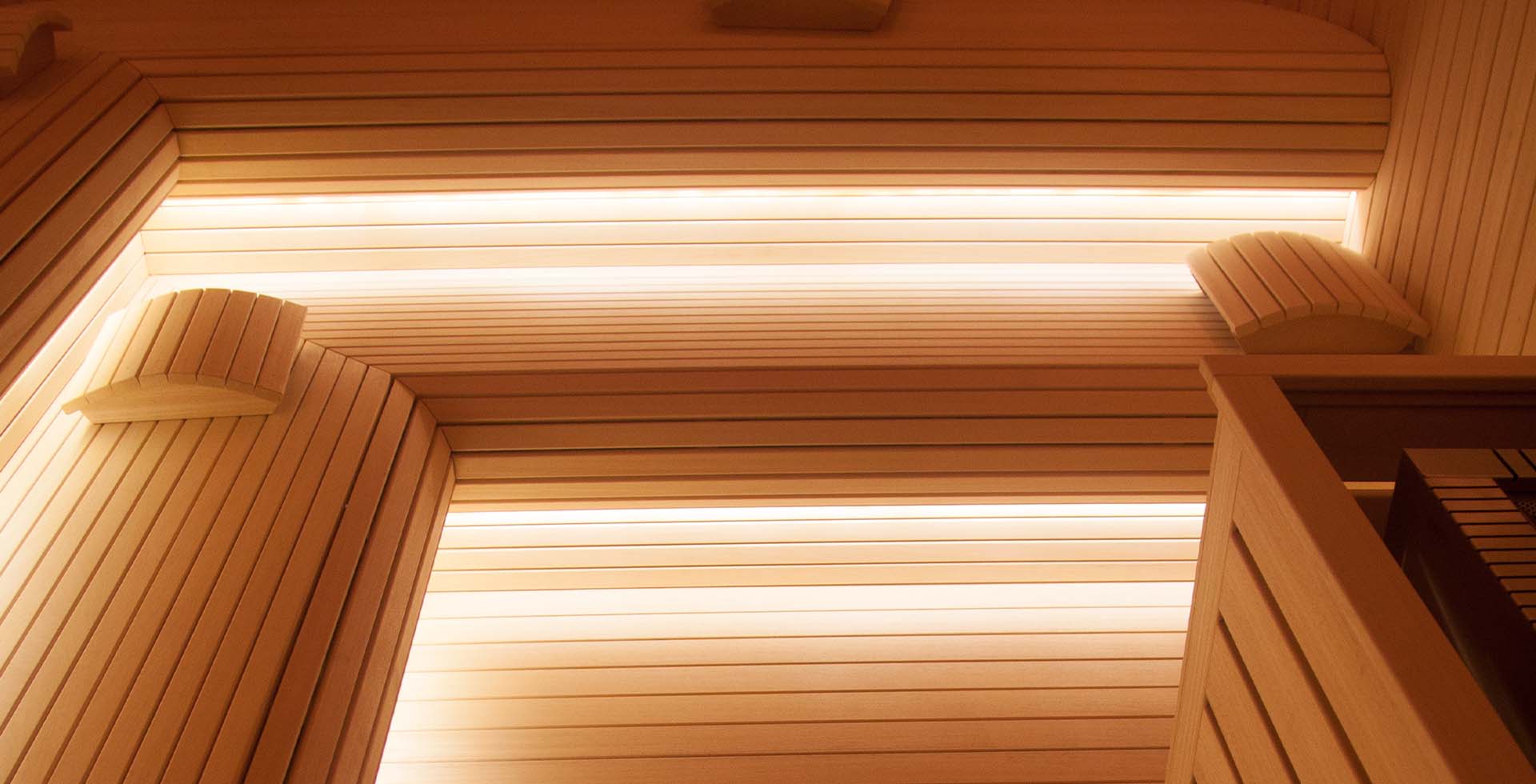
Adding a single cold plunge pool beside an existing Finnish sauna is the smallest change that transforms a gym recovery area. The footprint is typically under 2 m² and it needs no new room, only a drain and a power supply. What operators describe afterwards is consistent: members start arriving for the sauna-to-cold-plunge cycle rather than for either room on its own. One addition, one contrast, and the recovery area becomes the reason people stay.
That story is not unusual. The ice bath, once reserved for elite athletes and Nordic tradition, has become one of the most requested wellness installations in commercial gyms, hotel spas, and private homes worldwide. And for good reason: the research behind cold water immersion is now substantial, the experience is brief, and the physiological effects are immediate and measurable.
In this guide, we explain what an ice bath actually is, what the science says about its benefits, how to use one safely, and why pairing a cold plunge pool with a sauna or steam room produces results that neither can deliver alone.
Planning a cold plunge pool for your facility or home? Explore our custom cold plunge pools or request a free consultation, our team has been designing and installing cold therapy installations alongside saunas and steam rooms since 1987.
What is an ice bath?
An ice bath is a form of cold water immersion in which a person submerges their body, typically from the chest or neck down, in water cooled to between 4 and 15 °C (39–59 °F) for a short period, usually two to five minutes. The cold triggers a cascade of physiological responses: blood vessels constrict, inflammation markers drop, noradrenaline surges, and the nervous system shifts into a heightened state of alertness. When the bather exits, blood flow rushes back to the extremities, delivering a feeling of warmth and energy that most users describe as unmistakable.
The term “ice bath” covers everything from a chest freezer filled with ice water in a garage to a purpose-built cold plunge pool with precise temperature control, filtration, and sanitation. For commercial and residential installations, our team builds custom cold plunge pools that maintain a stable target temperature, integrate with existing wet areas, and meet the hygiene standards that a shared facility requires.
How is a cold plunge pool different from an ice bath?
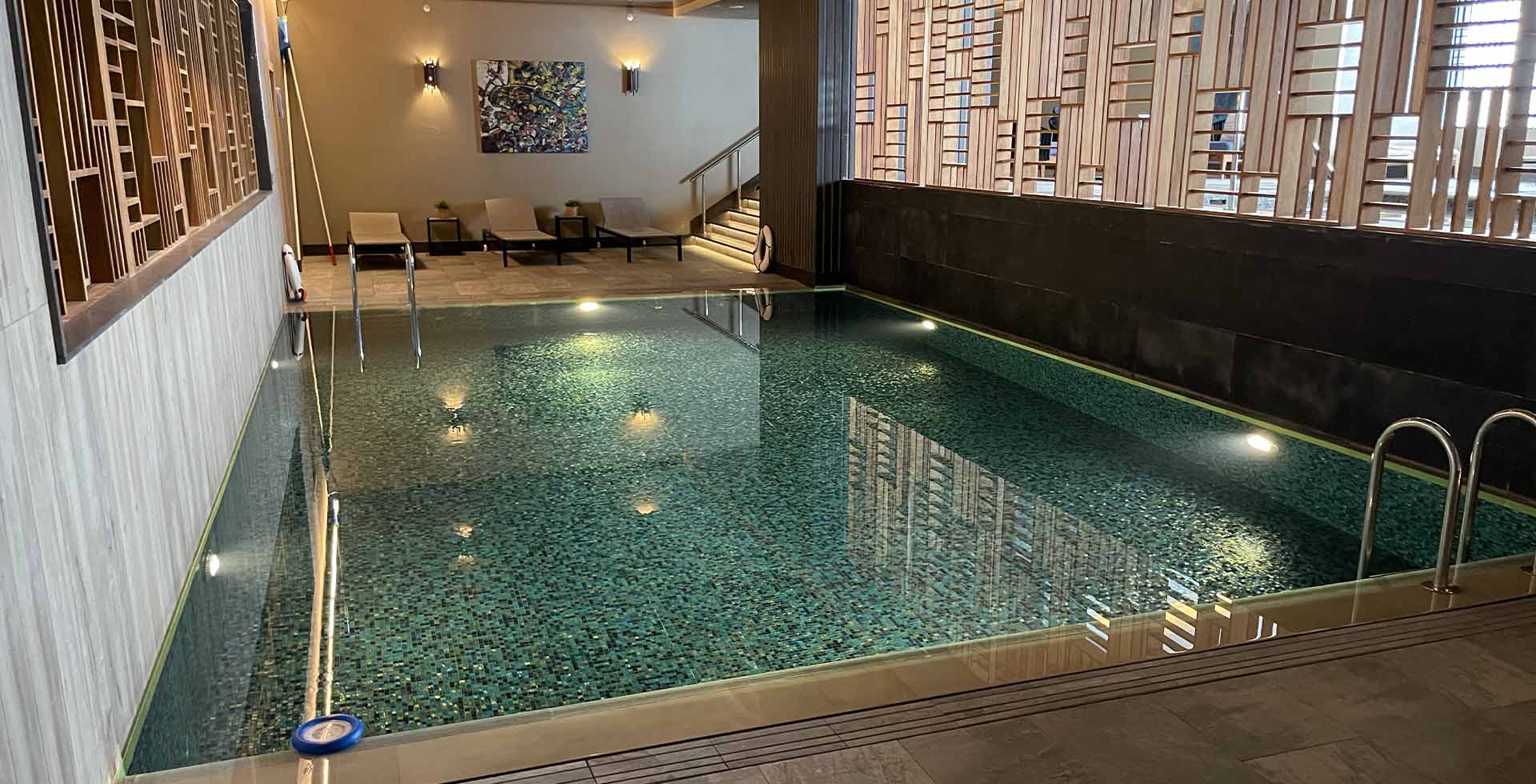
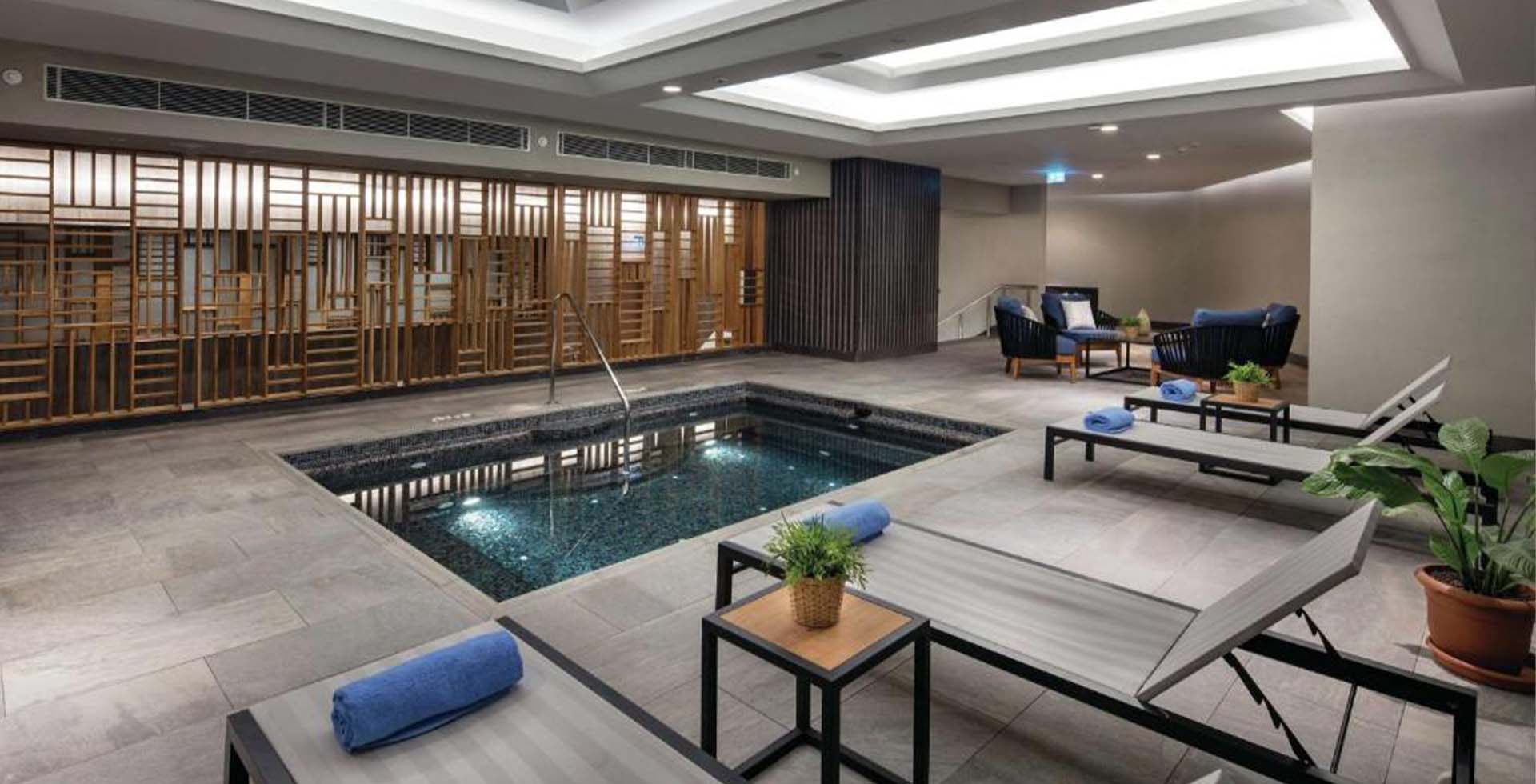
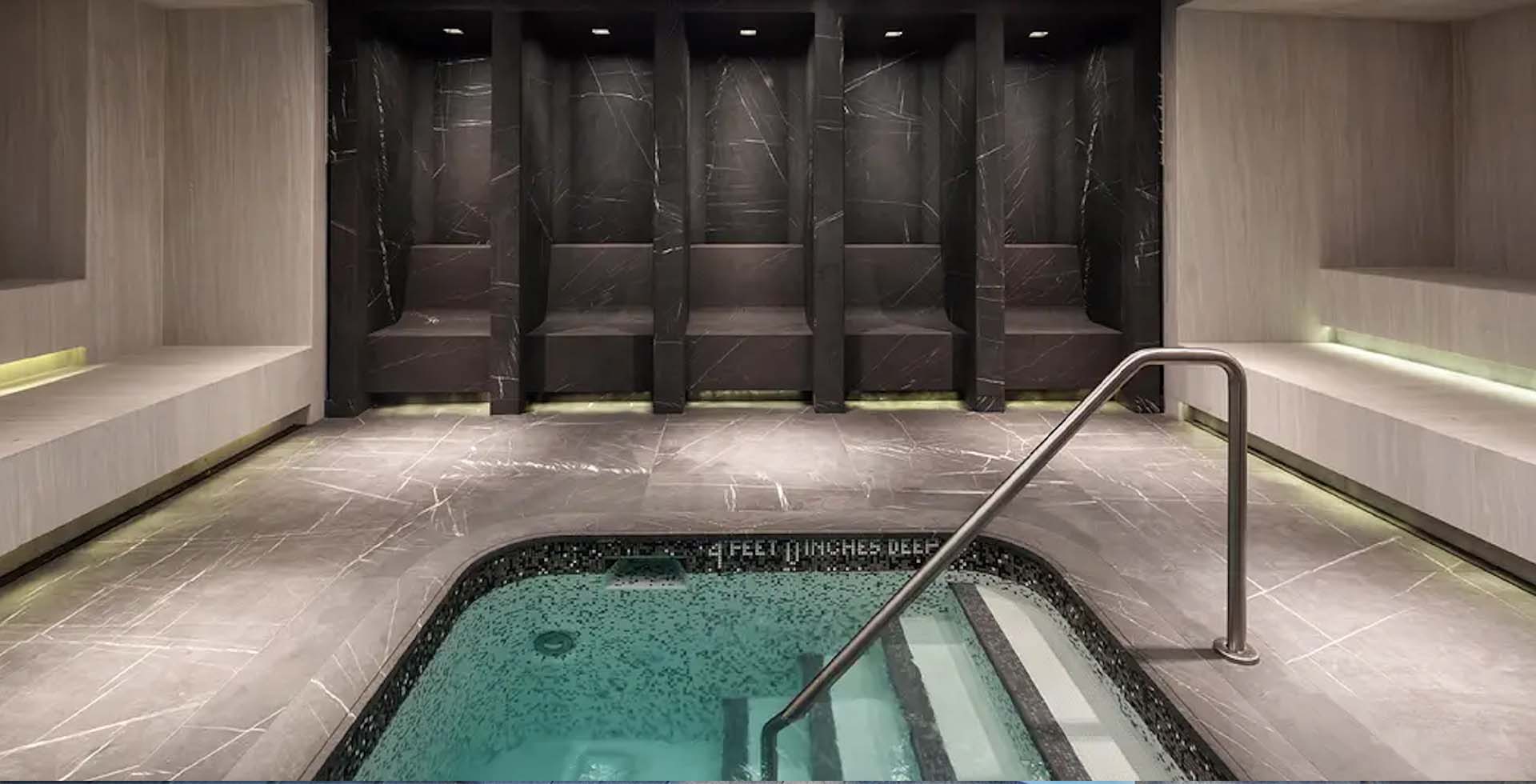
In practice, a cold plunge pool is simply a purpose-built ice bath. A DIY ice bath uses a tub and loose ice; a cold plunge pool uses a chiller unit, a filtration system, and a properly constructed basin to hold water at a constant temperature without manual ice replenishment. For any installation that will be used daily or by multiple people, a gym, a hotel, a home wellness suite, a cold plunge pool is the practical choice.
What are the proven benefits of an ice bath?
Cold water immersion at 4–15 °C has been shown to reduce exercise-induced inflammation, lower perceived muscle soreness, improve mood through noradrenaline release, and support cardiovascular conditioning when used regularly. A meta-analysis published in Sports Medicine found that cold water immersion after exercise significantly reduces delayed-onset muscle soreness (DOMS) at 24, 48, and 96 hours compared with passive recovery (Machado et al., 2016). The benefits extend well beyond athletics.
Does an ice bath reduce inflammation and muscle soreness?
Yes, and this is the most extensively studied benefit. When the body is immersed in cold water, peripheral blood vessels constrict rapidly, a process called vasoconstriction, which reduces blood flow to inflamed tissue and limits the accumulation of metabolic waste products. The Sports Medicine meta-analysis cited above reviewed 36 studies and confirmed that cold immersion between 10 and 15 °C for 10–15 minutes is the most effective protocol for reducing DOMS after high-intensity exercise.
For fitness centres and hotel gyms, this is the primary use case. A cold plunge pool positioned next to a Finnish sauna gives members a recovery tool that outperforms passive rest, and the visual presence of both installations signals a serious approach to wellness.
Does an ice bath improve mood and mental clarity?
Yes. Cold exposure triggers a sharp increase in noradrenaline, a neurotransmitter involved in attention, focus, and mood regulation. A study published in Medical Hypotheses proposed that regular cold exposure could serve as a treatment for depression, based on the density of cold receptors in the skin and their capacity to send overwhelming electrical impulses to the brain (Shevchuk, 2008). While more clinical research is needed, most regular cold plunge users report a noticeable improvement in alertness and mood that lasts for several hours after a session.
This is the benefit that surprises first-time users most. The cold is uncomfortable for two minutes. The clarity that follows lasts the rest of the morning.
Is an ice bath good for cardiovascular health?
Regular cold exposure trains the cardiovascular system to respond efficiently to thermal stress. When the body enters cold water, heart rate initially spikes, blood pressure rises, and peripheral vessels constrict. With repeated exposure, the body adapts: the initial shock response becomes less severe, resting heart rate drops, and peripheral circulation improves. A review in the European Journal of Applied Physiology found that habitual cold water swimmers showed improved cold tolerance and more stable cardiovascular responses than non-adapted controls (Tipton et al., 2017).
Combined with the cardiovascular benefits of regular sauna use, which include lower blood pressure and improved endothelial function (Laukkanen et al., 2018), a hot-cold contrast routine offers a more complete cardiovascular conditioning programme than either modality alone.
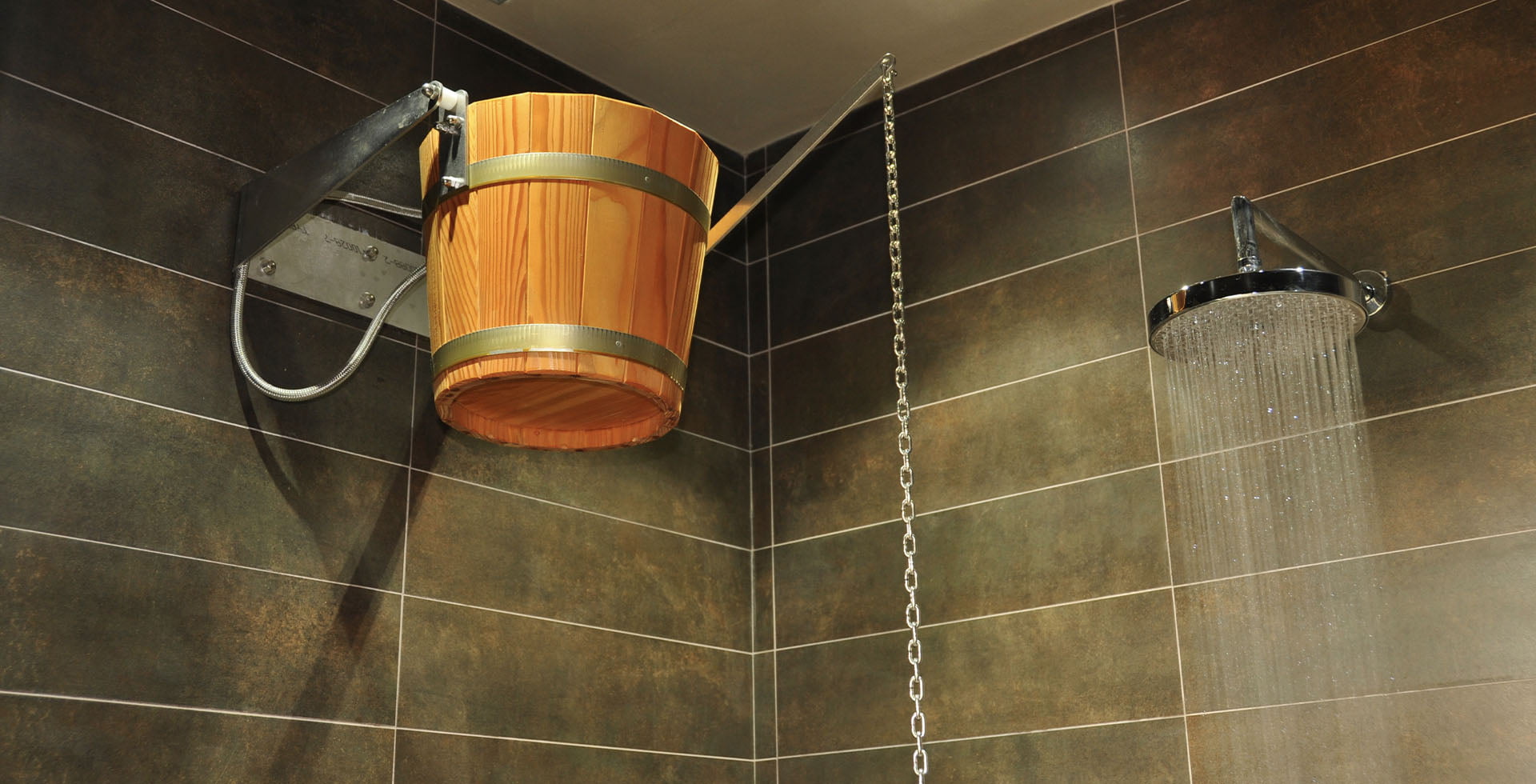
Interested in building a contrast therapy circuit for your facility? Our team designs recovery zones that combine custom saunas, cold plunge pools, and experience showers into a single integrated area. Get a custom quote.
Does an ice bath help with sleep?
Anecdotally, yes, many regular users report deeper sleep on days they cold plunge. The proposed mechanism involves the post-immersion drop in core body temperature, which mimics the natural cooling that signals the brain to initiate sleep. Research on this specific claim is still emerging, but studies on pre-sleep body cooling have shown promising results for sleep onset and sleep quality.
How do you use an ice bath safely?
For a healthy adult, the standard protocol is simple: enter a cold plunge pool at 10–15 °C, submerge to the chest or shoulders, and stay for two to five minutes. Beginners should start at 15 °C for one to two minutes and gradually work toward colder temperatures and longer durations over several weeks. Breathing is key, slow, controlled exhales through the mouth prevent hyperventilation and make the cold far more manageable.
What temperature should an ice bath be?
The effective range is 4–15 °C (39–59 °F). Most research uses 10–15 °C as the standard protocol. Below 10 °C, the cold becomes intense enough that sessions should be kept under two minutes unless the bather is well-adapted. Above 15 °C, the vasoconstriction response weakens and the recovery benefits diminish.
Our cold plunge pools use precision chiller units that hold the water within ±1 °C of the target temperature, which eliminates the inconsistency of ice-based setups and makes the experience predictable for every user.
How long should you stay in an ice bath?
Two to five minutes is enough for most people. The Sports Medicine meta-analysis found optimal results with immersion times of 10–15 minutes at 10–15 °C for post-exercise recovery, but those protocols were for trained athletes. For general wellness use, two to four minutes at 10–12 °C delivers the noradrenaline spike, the vasoconstriction, and the alertness benefit without excessive cold stress.
Who should avoid ice baths?
People with uncontrolled high blood pressure, Raynaud’s disease, a recent heart attack or stroke, or cold urticaria (cold-induced hives) should not use an ice bath without medical clearance. The initial cardiovascular response to cold immersion, a spike in heart rate and blood pressure, can be dangerous for anyone with an unstable cardiovascular condition. Pregnant women should also consult their doctor before cold immersion.
How does contrast therapy work?
Contrast therapy, alternating between hot and cold exposure, is the reason most commercial spas and gyms install a cold plunge pool directly next to a sauna or steam room. The cycle typically follows a 3:1 ratio: three minutes in the sauna or steam room followed by one minute in the cold plunge, repeated two to four times. The alternating vasodilation (heat) and vasoconstriction (cold) creates a pumping effect in the circulatory system that flushes metabolic waste, reduces inflammation, and produces a deep, lasting sense of physical well-being.
What does a contrast therapy circuit look like?
A well-designed contrast therapy area includes three elements:
- Heat source, a Finnish sauna (80–100 °C dry heat), a steam room (40–45 °C, 100 % humidity), or both
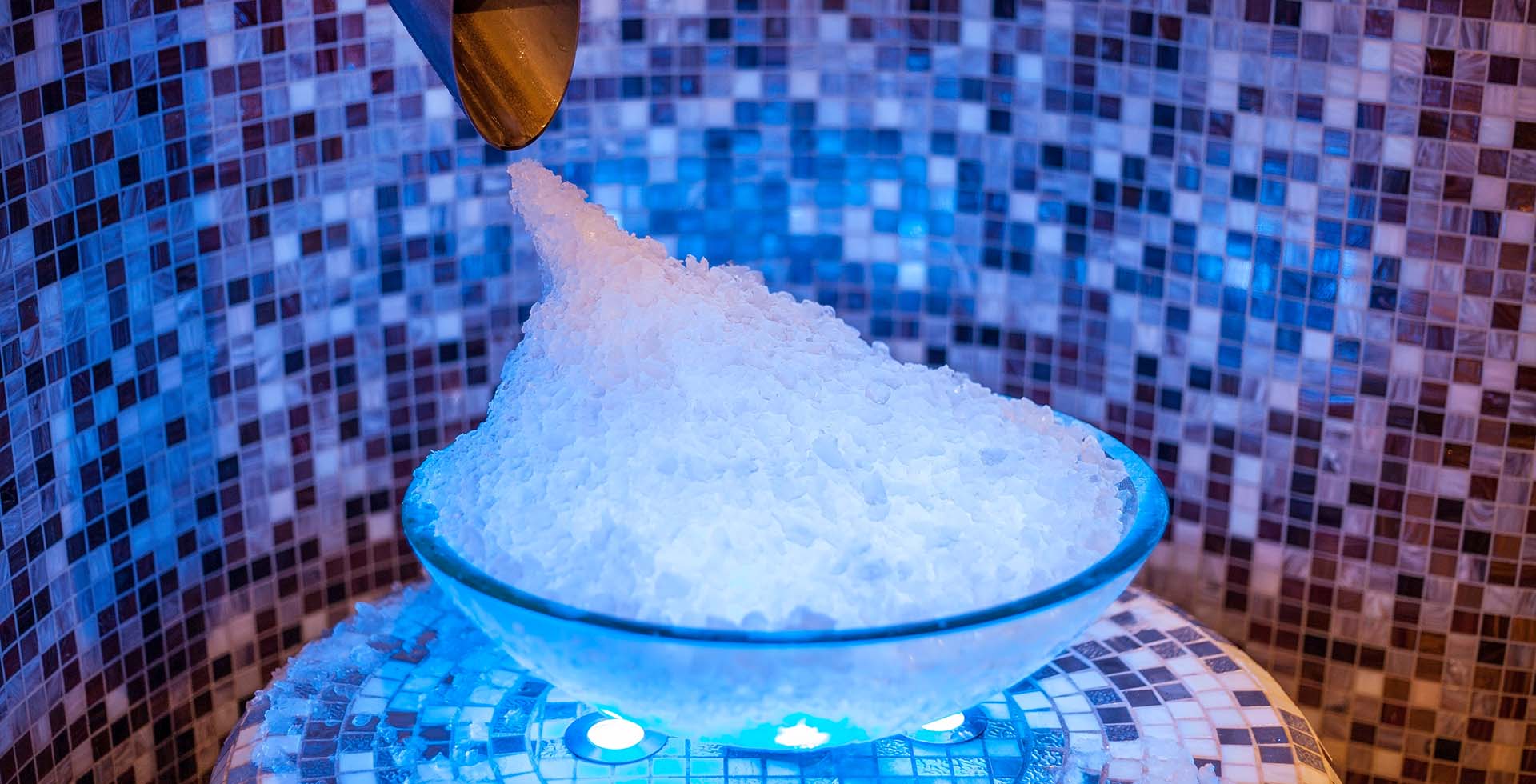
- Cold source, a cold plunge pool at 4–15 °C, or an ice fountain for a milder option
- Rest area, heated loungers or a relaxation room for the recovery period between rounds
When a Copenhagen-based fitness chain called NordFit approached our team in mid-2025 about upgrading their recovery areas, we designed a compact contrast circuit, a four-person Finnish sauna, a two-person cold plunge pool, and two experience showers, that fit into just 22 m². The first installation opened in August 2025, and within two months NordFit had commissioned the same layout for three additional locations. Compact contrast circuits are now one of our most requested commercial designs.
Is contrast therapy better than cold plunge alone?
For most users, yes. A study in the Journal of Science and Medicine in Sport found that contrast water therapy reduced perceived fatigue and muscle soreness more effectively than cold immersion alone in team-sport athletes. The heat phase primes the circulatory system with vasodilation, making the subsequent cold-phase vasoconstriction more pronounced and the overall recovery effect stronger. For hotel and gym operators, the practical advantage is equally clear: a contrast circuit keeps users rotating between stations, which increases throughput and time-on-site.
How does an ice bath compare to a cold shower?
A cold shower cools the skin surface but does not lower core body temperature enough to trigger the full vasoconstriction and noradrenaline response that immersion achieves. In a cold shower, water flows over the body and drains away; in an ice bath, the body is surrounded by cold water that continuously draws heat from the skin. The difference in thermal load is substantial, full immersion at 10 °C for three minutes produces a measurable core temperature drop and a noradrenaline increase of two to three times baseline, effects that a cold shower at the same temperature cannot replicate.
| Feature | Ice Bath / Cold Plunge | Cold Shower |
|---|---|---|
| Water temperature | 4–15 °C (controlled) | 10–20 °C (variable) |
| Immersion type | Full body (chest/neck down) | Surface contact only |
| Noradrenaline response | 2–3x baseline increase | Mild increase |
| Core temperature drop | Measurable | Minimal |
| Duration for effect | 2–5 minutes | 5–10+ minutes |
| Recovery benefit | Strong (well-documented) | Moderate |
| Equipment needed | Cold plunge pool or tub + ice | Existing shower |
A cold shower is better than nothing and useful as a daily habit. But for serious recovery, mood enhancement, or cardiovascular conditioning, a purpose-built cold plunge pool delivers results that a shower cannot match.
What does it cost to install a cold plunge pool?
A residential cold plunge pool, typically a single-person basin with an integrated chiller, filtration, and insulated shell, starts at around 15,000–25,000 USD depending on the size, materials, and installation requirements. Commercial installations for gyms, hotels, and spas range from 20,000 to 60,000+ USD for multi-person pools with high-capacity chilling systems and commercial-grade water treatment.
The major cost variables are the basin material (stainless steel, tiled concrete, or composite), the chiller capacity (which determines how quickly the pool recovers its target temperature after use), and the integration with surrounding wet areas such as saunas, steam rooms, and drainage systems. Our team designs and manufactures every cold plunge pool at our Istanbul facility and handles delivery and installation worldwide.
Every project starts with a free design consultation, we’ll assess the space, the expected usage, and the budget before producing a detailed proposal.
Frequently asked questions about ice baths
How often should you take an ice bath?
For general wellness, two to four sessions per week is a sustainable frequency. Daily cold plunging is common among experienced users, but beginners should allow at least one rest day between sessions while the body adapts to cold stress. For post-exercise recovery, a single session after intense training is enough.
Can you do an ice bath every day?
Yes, if you are healthy and well-adapted. Many regular users cold plunge daily, especially as part of a morning routine. Start with two to three sessions per week and increase gradually. If you feel persistently cold, fatigued, or unwell after sessions, reduce the frequency or raise the temperature.
Should you ice bath before or after a sauna?
After. The traditional Nordic protocol is heat first, cold second. The sauna’s vasodilation primes the body for a stronger vasoconstriction response in the cold plunge. Going cold-to-hot is safe but less effective for recovery and produces a less pronounced contrast effect.
Is a 1-minute ice bath enough?
For a well-adapted person at very cold temperatures (4–6 °C), one minute can trigger the noradrenaline response. For beginners or at warmer temperatures (10–15 °C), two to three minutes is more effective. The goal is not to endure pain but to stay in long enough for the physiological response to activate.
Can ice baths help with weight loss?
Cold exposure activates brown adipose tissue (BAT), which burns calories to generate heat. However, the caloric expenditure from a typical cold plunge session is modest, perhaps 50–100 extra calories. Ice baths are not a practical weight-loss tool on their own, but they may contribute as part of a broader metabolic health routine.
What should you wear in a cold plunge pool?
Swimwear is standard. In private settings, some users plunge without clothing; in commercial facilities, swimwear is required for hygiene. Avoid wearing thick layers that trap air and reduce skin contact with the cold water.
Is an ice bath dangerous?
For healthy adults following standard protocols (10–15 °C, 2–5 minutes), ice baths are safe. The primary risk is cold shock response, an involuntary gasp reflex when entering cold water, which is managed by entering slowly and controlling the breath. People with cardiovascular conditions, Raynaud’s disease, or cold allergies should consult a doctor before using an ice bath.
Add cold plunge to your wellness facility
The ice bath has moved from fringe practice to mainstream demand in under five years. Hotel guests expect it. Gym members ask for it. Homeowners building private wellness suites include it as standard. And the data supports the interest: cold water immersion improves recovery, sharpens mood, and trains the cardiovascular system in ways that no other single installation can match.
The greatest gains, though, come from pairing cold with heat. A cold plunge pool next to a Finnish sauna or steam room creates a contrast therapy circuit that multiplies the benefit of each element and keeps users coming back.
Sauna Dekor has been manufacturing custom wellness installations, saunas, steam rooms, cold plunge pools, ice fountains, and complete spa facilities, since 1987. Every cold plunge pool we build is custom-designed to the space, the usage pattern, and the aesthetic of the surrounding area, and every project is delivered by a single team from concept to installation.
Request a free consultation with our design team, or explore our cold plunge pool range to see what is possible.
Sources
- Machado, A. F., Ferreira, P. H., Micheletti, J. K., et al. (2016). Can Water Temperature and Immersion Time Influence the Effect of Cold Water Immersion on Muscle Soreness? A Systematic Review and Meta-Analysis. Sports Medicine, 46(4), 503–514. Full text
- Shevchuk, N. A. (2008). Adapted cold shower as a potential treatment for depression. Medical Hypotheses, 70(5), 995–1001. PubMed
- Tipton, M. J., Collier, N., Massey, H., Corbett, J., & Harper, M. (2017). Cold water immersion: kill or cure? European Journal of Applied Physiology, 117(12), 2431–2444. Full text
- Laukkanen, J. A., Laukkanen, T., & Kunutsor, S. K. (2018). Cardiovascular and Other Health Benefits of Sauna Bathing: A Review of the Evidence. Mayo Clinic Proceedings, 93(8), 1111–1121. Full text


