


Innovative Trends in Spa Development Today

In recent years, the luxury spa sector has witnessed a paradigm shift, driven by an increasing demand for bespoke wellness experiences. The modern spa is no longer a mere adjunct to hotels and resorts but a pivotal entity that augments the allure of hospitality venues. This evolution is manifest in the architectural sophistication and the holistic design approaches that these establishments now embody.
The Shift from Auxiliary to Core Offerings
Historically, spas were often an afterthought, included as an added luxury for guests at hotels and resorts. Today, however, they stand as central attractions, drawing visitors specifically for their unique offerings. This shift is evident in the strategic placement of spas within hospitality properties, often featuring prime locations with stunning views and expansive layouts that highlight their significance.
Personalized Wellness Journeys
As consumer expectations evolve, the demand for personalized wellness journeys has skyrocketed. Luxury spas are now tailoring experiences to individual needs, offering customized treatments and wellness plans. This personalization extends beyond treatments to include personalized music playlists, scent profiles, and even nutrition plans, creating a comprehensive wellness journey that resonates with each guest’s unique preferences and health goals.
Integration of Local Culture and Traditions
Incorporating local culture and traditions into spa offerings has become increasingly popular. Spas are curating experiences that reflect the cultural heritage and natural resources of their surroundings. This includes utilizing indigenous ingredients in treatments, traditional healing practices, and design elements that echo local architectural styles, offering guests an authentic sense of place and connection to the region.
Architectural Ingenuity in Spa Development
The architecture of contemporary spas transcends traditional boundaries, incorporating elements that are both avant-garde and environmentally sustainable. Spa developers are increasingly prioritizing biophilic design principles, integrating natural elements to foster a harmonious connection between guests and the environment. This trend not only enhances aesthetic appeal but also contributes to the psychological and physiological well-being of patrons.
Biophilic Design and Its Impact
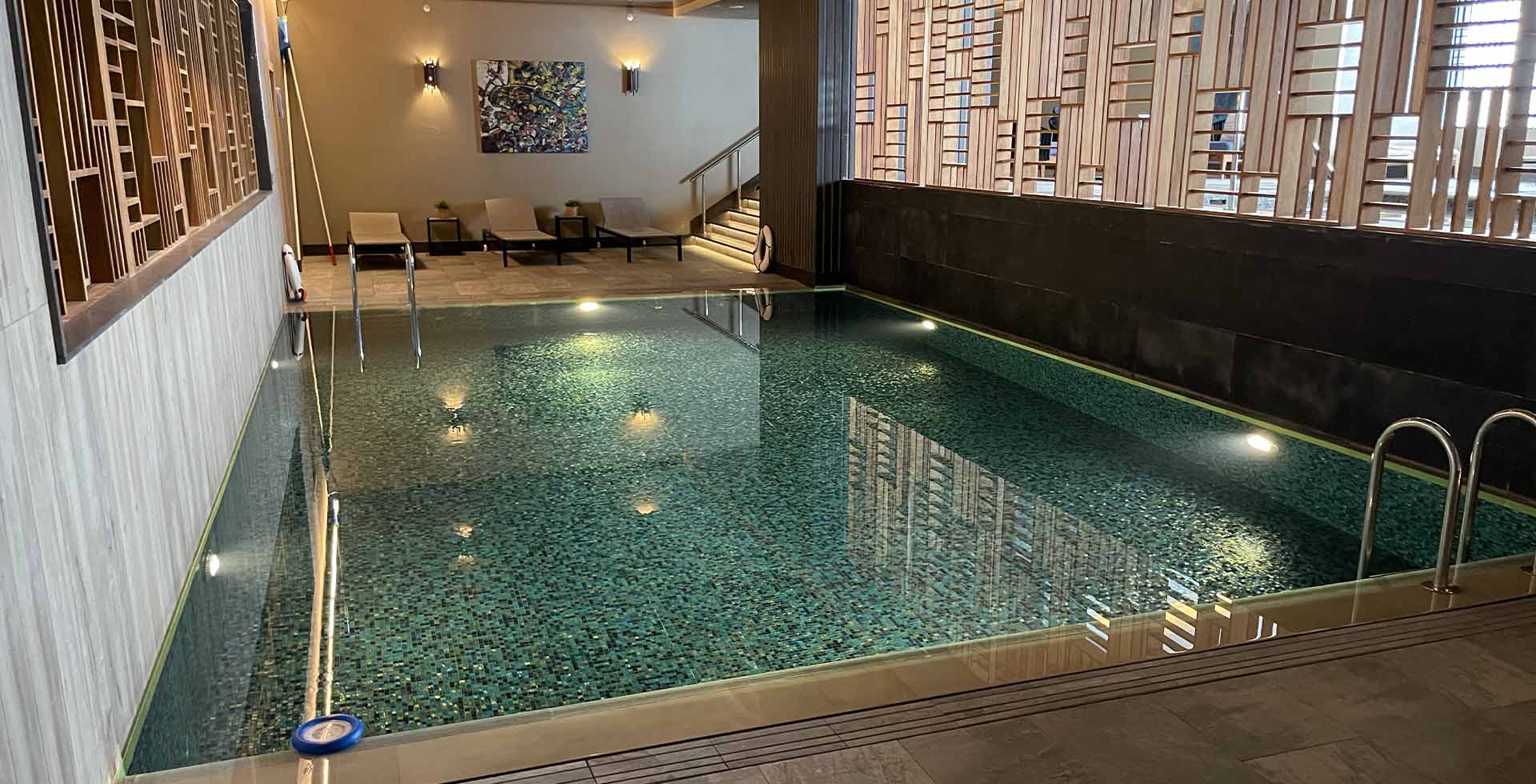
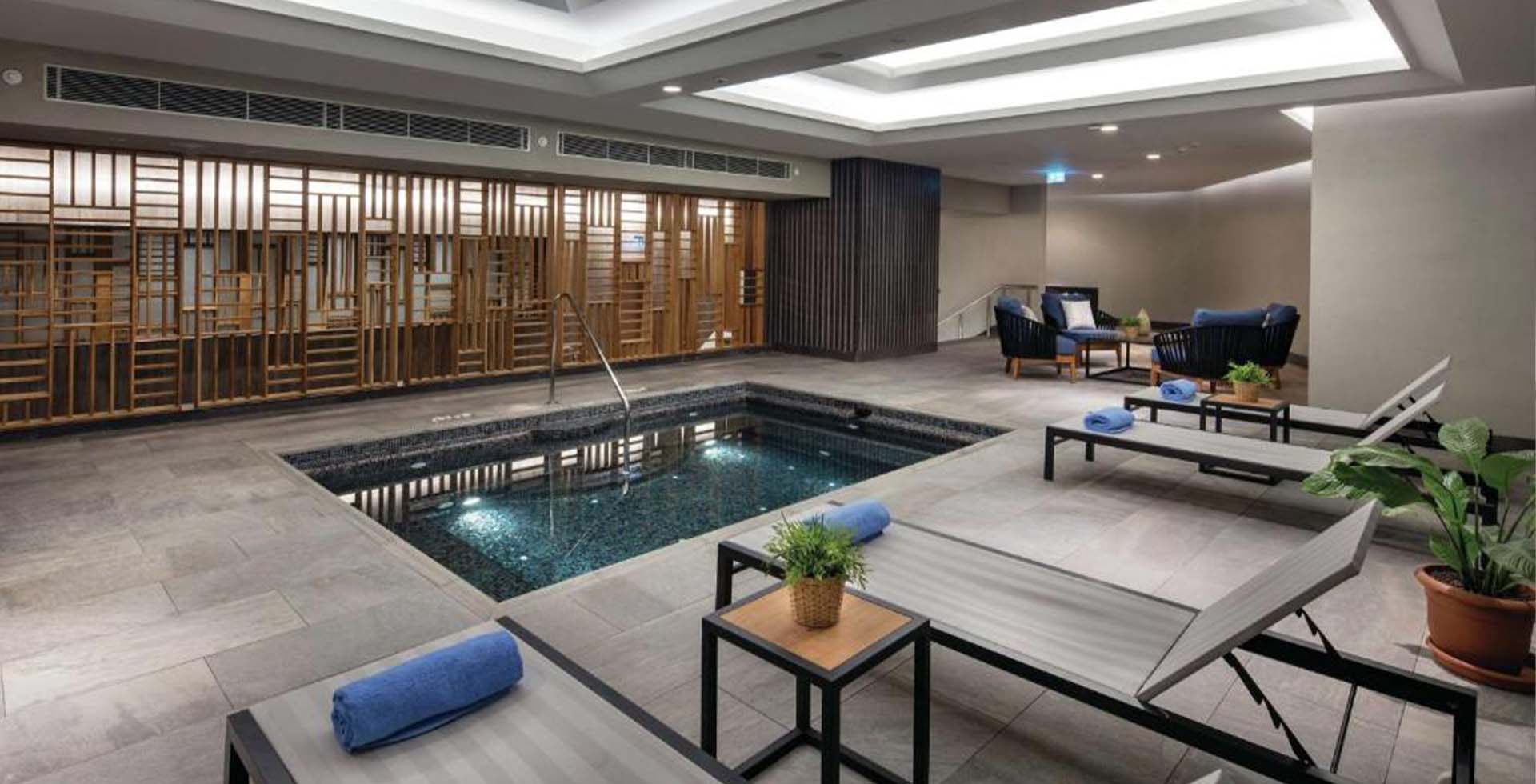
Biophilic design is at the forefront of modern spa architecture, emphasizing the integration of natural elements such as water features, indoor plants, and natural light. This design philosophy aims to create environments that mimic the natural world, reducing stress and promoting relaxation. The presence of living walls, natural stone, and wood elements in spa interiors enhances this connection, offering a serene escape from urban life.
Sustainable Building Materials and Practices
The use of sustainable building materials is a key aspect of eco-friendly spa architecture. Reclaimed wood, recycled metals, and locally sourced stone are increasingly used in construction, reducing the environmental impact. Additionally, spas are adopting green building certifications and standards, such as LEED, to ensure they meet high sustainability criteria, further solidifying their commitment to environmentally responsible practices.
The Role of Open Spaces and Natural Light
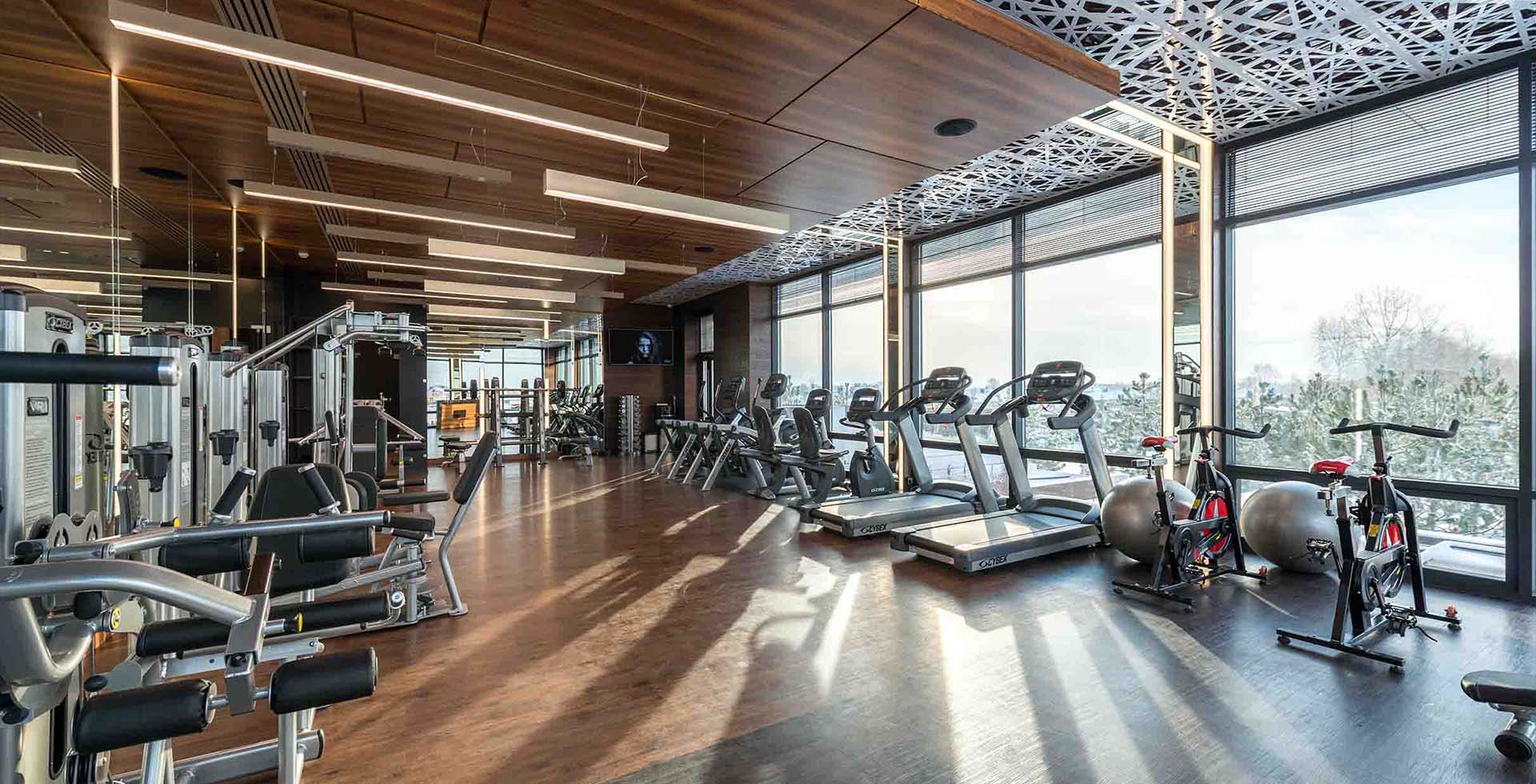
Open spaces and natural light are integral to contemporary spa design, creating an inviting and airy atmosphere. Large windows, skylights, and open-plan layouts allow natural light to flood interior spaces, enhancing mood and well-being. Outdoor treatment areas and relaxation spaces capitalize on natural surroundings, offering guests the opportunity to connect with nature and enjoy the therapeutic benefits of fresh air and natural beauty.
Eco-friendly Architectural Practices
A salient trend in spa architecture is the adoption of eco-friendly practices. Developers are leveraging renewable materials and energy-efficient technologies to minimize the ecological footprint of spa facilities. Solar panels, rainwater harvesting systems, and green roofs are becoming quintessential components of spa architecture, reflecting a commitment to sustainability.
Renewable Energy Solutions in Spas
The integration of renewable energy solutions, such as solar panels and geothermal heating, is becoming standard in luxury spas. These technologies not only reduce energy consumption but also align with the growing consumer demand for environmentally conscious businesses. By harnessing renewable energy, spas can operate more sustainably, reducing operational costs and minimizing their carbon footprint.
Water Conservation and Management
Water conservation is a critical consideration in spa development, given the water-intensive nature of many spa treatments. Advanced systems for rainwater harvesting, greywater recycling, and low-flow fixtures are being implemented to reduce water usage. Additionally, spas are educating guests about water conservation practices, encouraging mindfulness around water use during their visits.
Green Roofs and Living Walls
Green roofs and living walls are innovative features that enhance the environmental sustainability of spa facilities. These elements provide natural insulation, reduce urban heat island effects, and support biodiversity. Beyond their environmental benefits, they contribute to the aesthetic appeal of spa environments, offering guests a visually engaging and tranquil setting that complements their wellness journey.
Spa Design: A Fusion of Aesthetics and Functionality

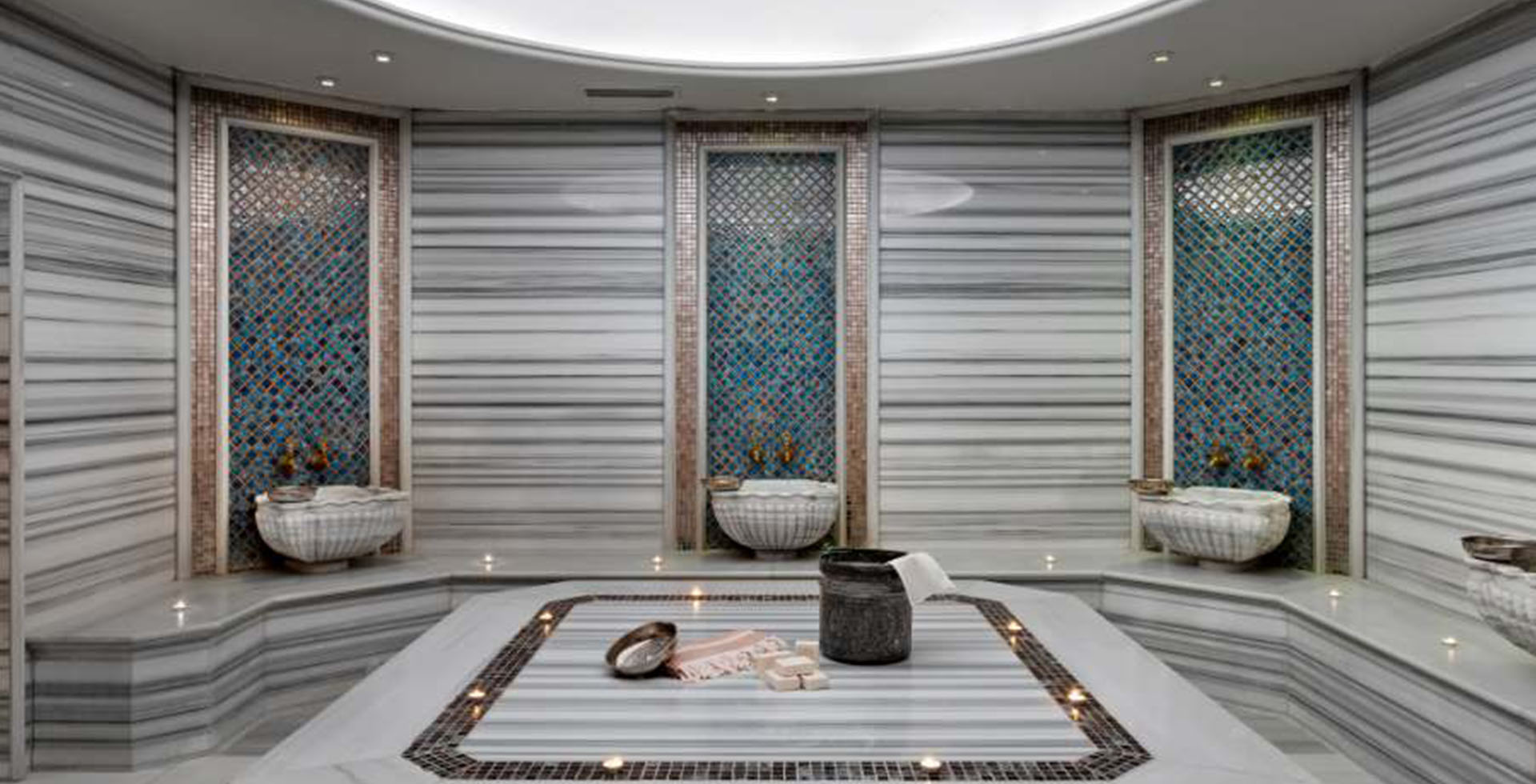
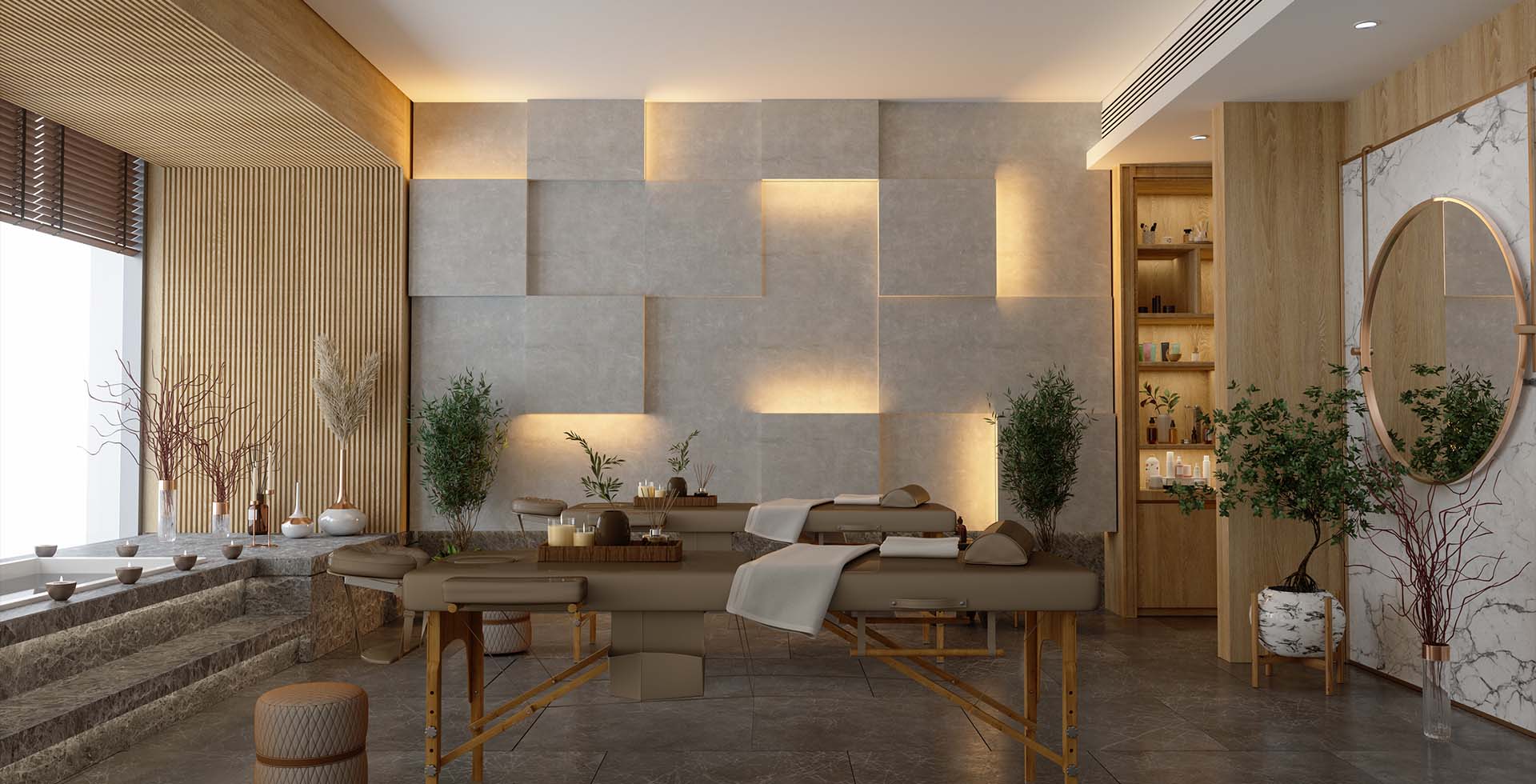
The design of spa facilities has evolved to encompass a fusion of aesthetic appeal and functional efficacy. Modern spas are characterized by minimalist design motifs that emphasize serenity and tranquility. The use of neutral color palettes, natural textures, and ambient lighting creates an environment conducive to relaxation and rejuvenation.
Minimalist Design and Its Benefits
Minimalist design in spas focuses on simplicity and the elimination of clutter, promoting a sense of calm and focus. By using clean lines, open spaces, and a restrained color palette, spas create an atmosphere that allows guests to unwind and escape the complexities of everyday life. This approach not only enhances the visual appeal but also supports mental clarity and relaxation.
The Importance of Color and Texture
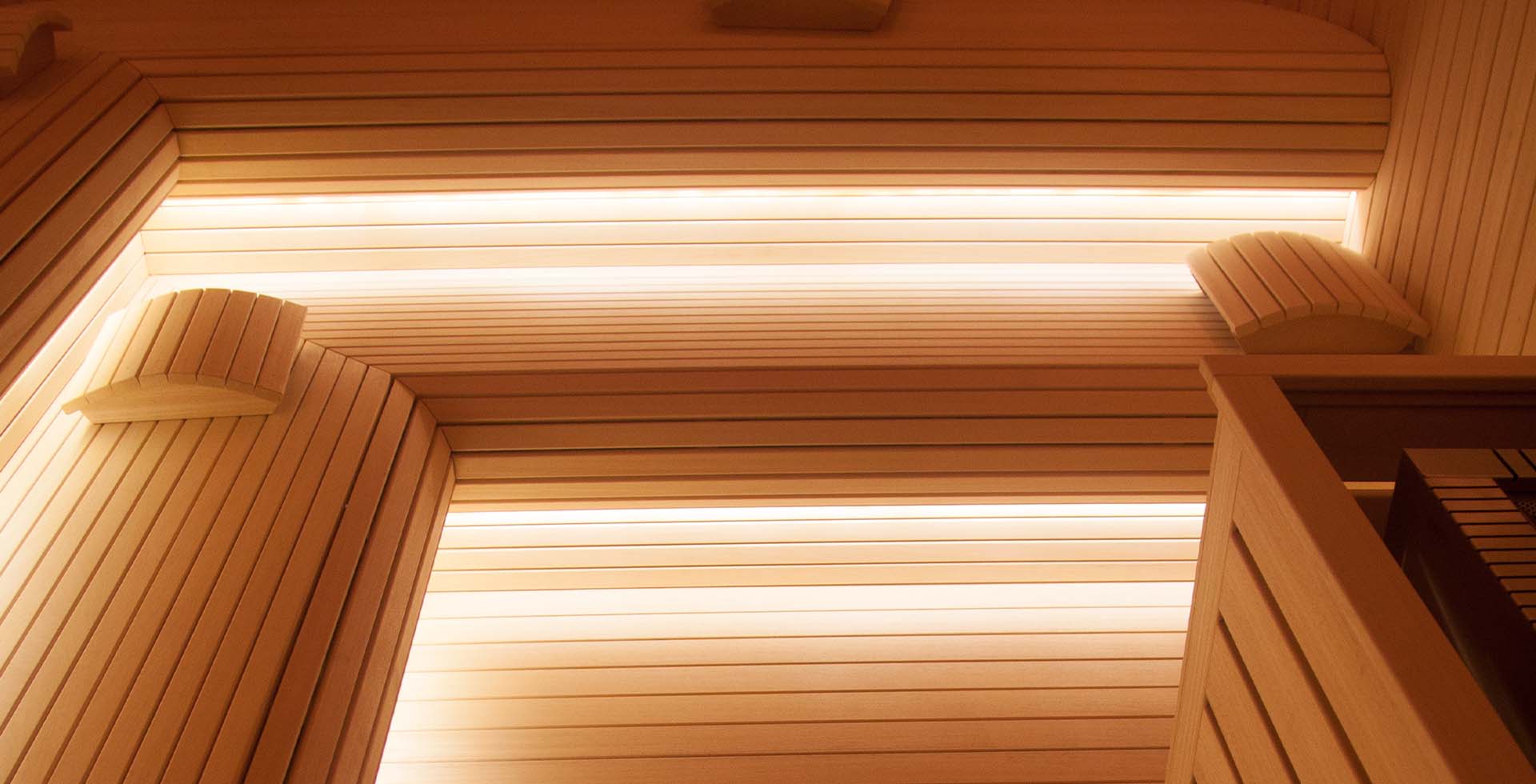
The choice of color and texture plays a pivotal role in spa design, influencing mood and perception. Neutral colors such as whites, beiges, and soft pastels are used to create a serene backdrop, while natural textures like wood, stone, and bamboo add warmth and grounding elements. The careful selection of these design elements ensures a cohesive and harmonious environment that enhances the overall wellness experience.
Lighting as a Design Element
Lighting is a crucial component in creating the desired ambiance in spa settings. Ambient lighting, combined with strategic use of natural light, sets the tone for relaxation and introspection. Adjustable lighting systems allow for customizable environments, adapting to different treatments and guest preferences. This adaptability enhances the sensory experience, supporting both physical and emotional well-being.
Innovations in Interior Design
Innovations in interior design are paramount to enhancing the guest experience in spa facilities. Designers are incorporating advanced acoustics, ergonomic furnishings, and sensory elements such as aromatherapy diffusers and chromotherapy lighting. These innovations are designed to engage the senses and elevate the overall wellness experience.
Advanced Acoustic Solutions
Sound plays a vital role in creating a tranquil spa environment. Advanced acoustic solutions, such as soundproofing materials and strategic placement of water features, help mask external noise and create a peaceful atmosphere. The use of soothing music and nature sounds further enhances relaxation, allowing guests to immerse themselves fully in their wellness journey.
Ergonomic Furnishings for Comfort
Ergonomic furnishings are essential in ensuring guest comfort during spa visits. From adjustable massage tables to recliners that provide optimal support, these furnishings are designed to accommodate a variety of body types and preferences. By prioritizing ergonomic design, spas enhance the physical comfort of guests, allowing them to fully relax and enjoy their treatments.
Sensory Enhancements in Spa Environments
Sensory enhancements, such as aromatherapy diffusers and chromotherapy lighting, play a significant role in modern spa design. Aromatherapy diffusers release calming scents, while chromotherapy lighting uses color to influence mood and energy levels. These sensory elements complement traditional spa treatments, creating a holistic experience that engages the mind, body, and spirit.
Cutting-edge Spa Facilities
The contemporary spa facility is a nexus of innovative amenities designed to cater to diverse wellness needs. From hydrotherapy circuits to cryotherapy chambers, spas are expanding their repertoire of services to include cutting-edge treatments that harness the latest advancements in wellness technology.
Hydrotherapy and Water-based Treatments
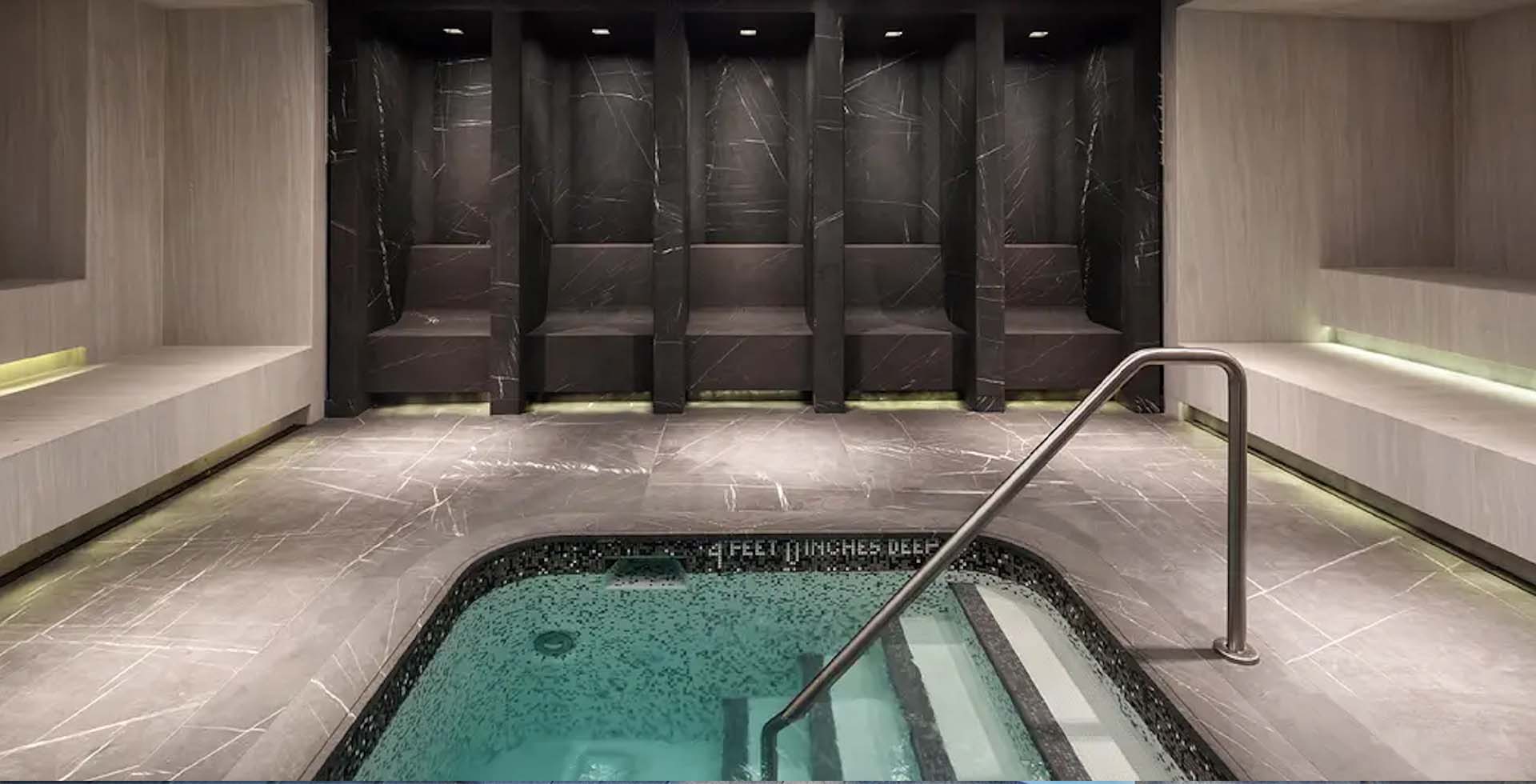
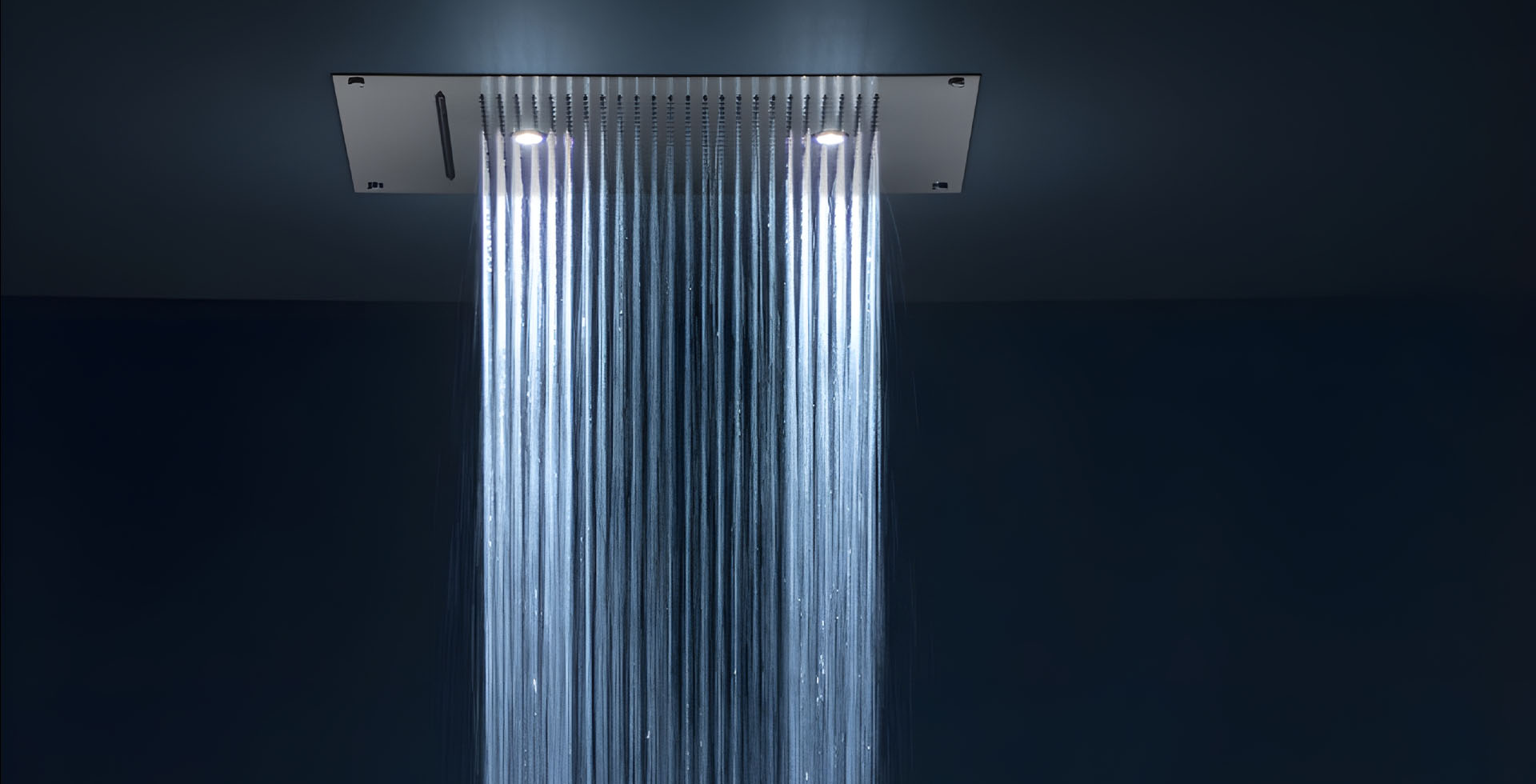
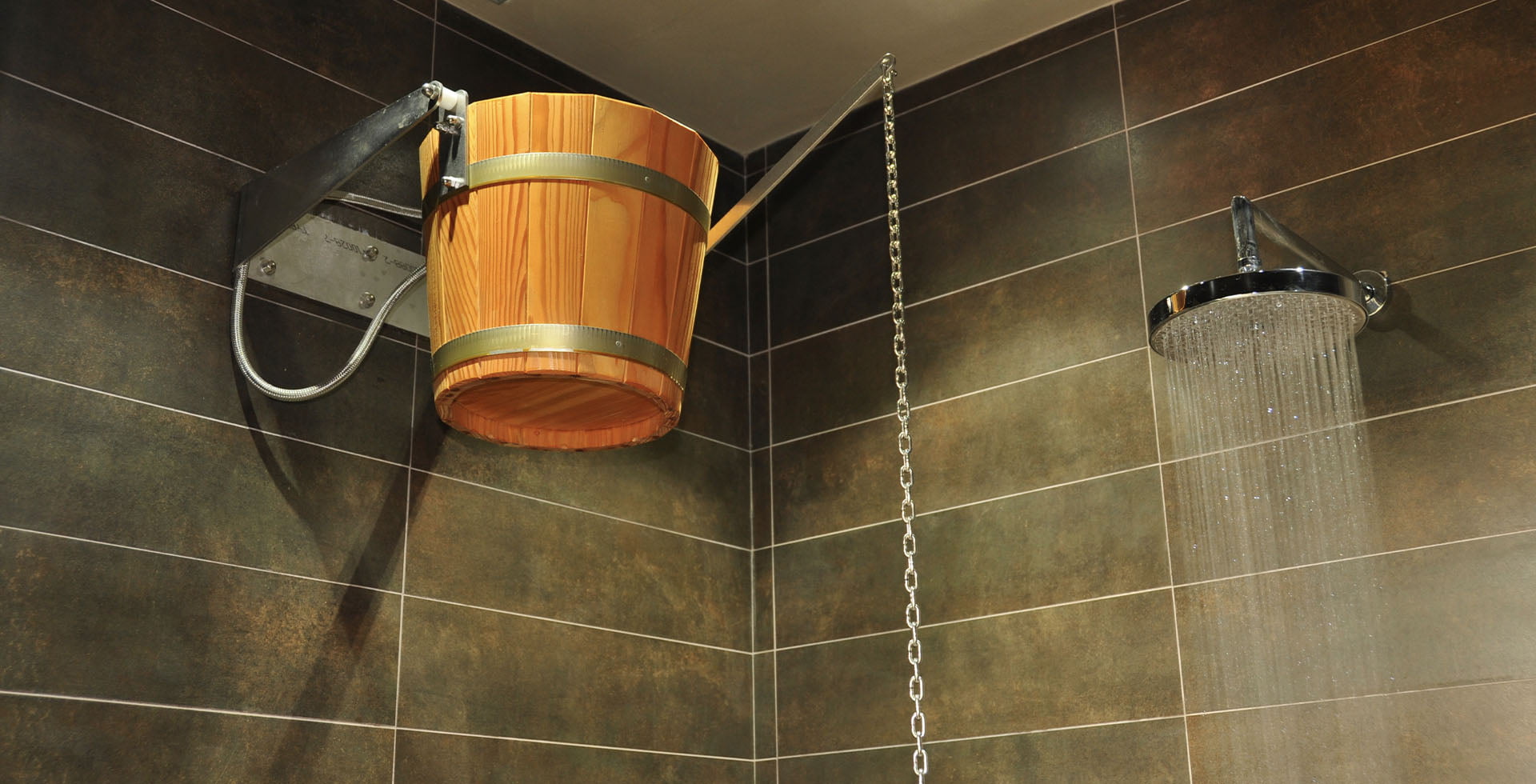
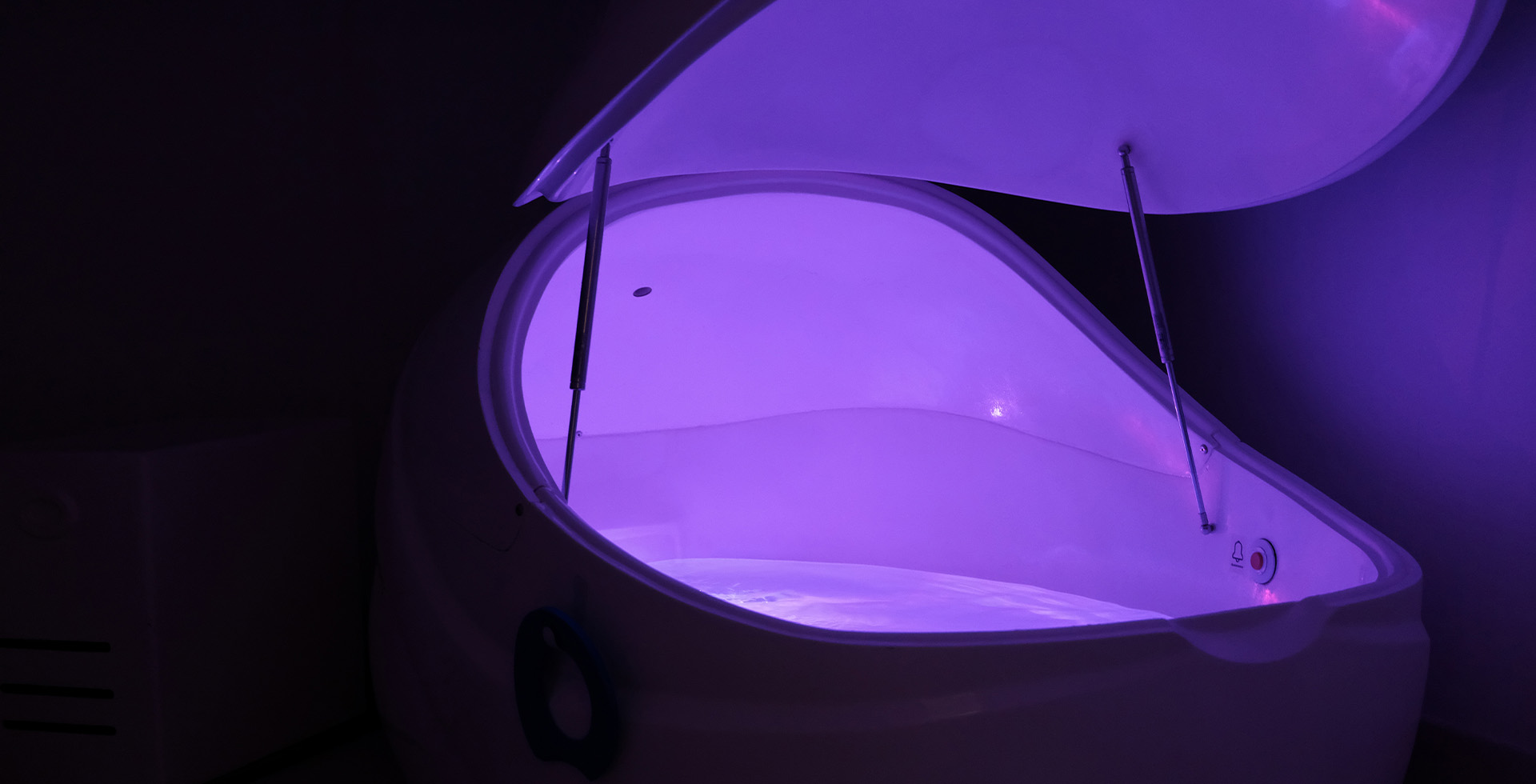
Hydrotherapy remains a cornerstone of spa treatments, with modern facilities offering an array of water-based therapies. These treatments, which include Vichy showers, hydro-massage pools, and flotation tanks, leverage the therapeutic properties of water to promote relaxation and healing.
The Rise of Cryotherapy
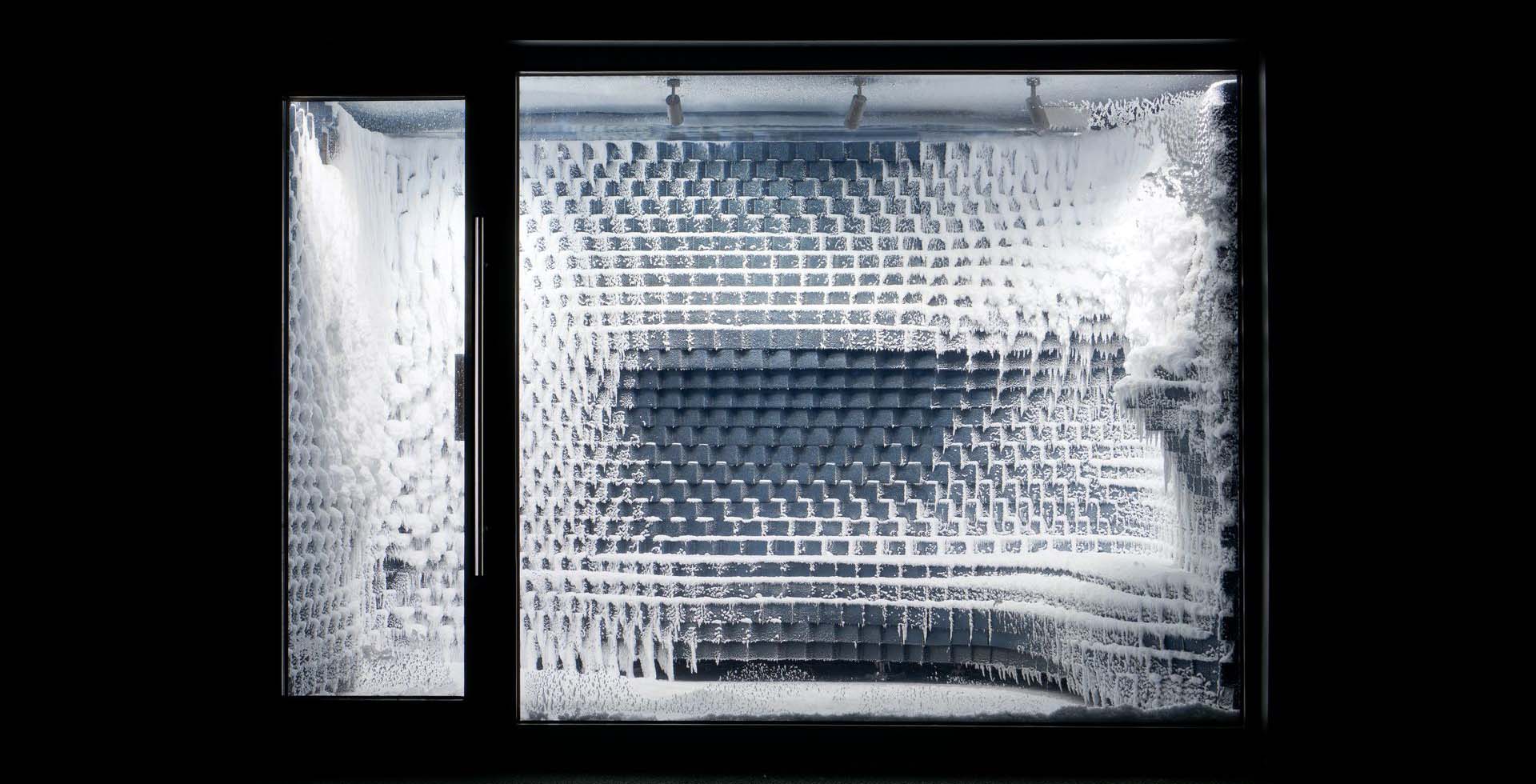
Cryotherapy has emerged as a popular treatment in luxury spas, renowned for its anti-inflammatory and analgesic benefits. This treatment involves exposing the body to subzero temperatures for short durations, stimulating physiological responses that aid in recovery and rejuvenation.
Advanced Skincare and Beauty Treatments
The demand for advanced skincare and beauty treatments has led to the incorporation of the latest technologies in spa services. From non-invasive procedures like LED light therapy to anti-aging treatments using specialized serums, spas are offering a comprehensive range of services that cater to beauty and skin health. These treatments are designed to deliver visible results while ensuring a relaxing and rejuvenating experience.
The Role of Technology in Spa Development

by Kelly Sikkema (https://unsplash.com/@kellysikkema)
Technological integration is a defining trend in the development of modern spas. From booking systems to personalized wellness programs, technology is enhancing the operational efficiency and personalization of spa services.
Smart Spa Technologies
The advent of smart technologies in spas has revolutionized the way services are delivered. Automated systems for temperature control, lighting, and sound allow for customizable environments tailored to individual preferences. Moreover, wearable technology and health-monitoring devices provide data-driven insights that enable personalized wellness interventions.
Virtual and Augmented Reality Experiences
Virtual and augmented reality (VR/AR) are increasingly being utilized in spa settings to offer immersive experiences. These technologies can transport guests to serene landscapes or facilitate guided meditation sessions, augmenting the therapeutic value of spa treatments.
Online Booking and Management Systems
Online booking and management systems have streamlined the operational processes of spas, improving both efficiency and customer satisfaction. These platforms allow guests to schedule appointments, select treatments, and customize their experiences with ease. For spa operators, these systems offer valuable insights into customer preferences and operational metrics, enabling more informed decision-making and personalized service offerings.
Future Trajectories in Spa Development
The future of spa development is poised to be shaped by an amalgamation of technological advancements, sustainable practices, and innovative design strategies. As consumer preferences continue to evolve, spas will need to adapt by embracing new trends and redefining their service offerings.
Sustainability as a Core Principle
Sustainability will remain a core principle in the future of spa development. The integration of eco-conscious practices will be paramount as spas strive to reduce their environmental impact while meeting the demands of discerning clientele who value sustainability.
The Integration of Wellness and Technology
The integration of wellness and technology will continue to drive innovation in the spa industry. As technology evolves, spas will have the opportunity to offer increasingly personalized and effective wellness solutions, enhancing the overall guest experience.
Embracing Holistic Wellness Approaches
As the understanding of wellness evolves, future spa developments will likely place a greater emphasis on holistic approaches that consider the interconnectedness of physical, emotional, and spiritual health. This could involve the integration of mindfulness practices, nutritional guidance, and even mental health support as part of the core spa offerings, creating a more comprehensive and transformative wellness experience for guests.
Conclusion
In summation, the contemporary spa development landscape is characterized by a confluence of innovative trends that redefine the luxury wellness experience. Through architectural ingenuity, cutting-edge facilities, and technological integration, modern spas are setting new benchmarks in the industry. As these trends continue to evolve, they promise to enhance the therapeutic and aesthetic dimensions of spa offerings, ensuring that luxury spas remain at the forefront of wellness innovation.
What defines a modern luxury spa today?
A modern luxury spa is a core destination rather than a secondary amenity. It combines bespoke wellness experiences, advanced technology, architectural excellence, and sustainability to deliver holistic physical and mental well-being.
Why are spas now central to hospitality projects?
Spas have become primary revenue and attraction drivers for hotels and resorts. Guests increasingly choose destinations specifically for wellness experiences, making spas a strategic centerpiece rather than an auxiliary feature.
How is personalization shaping spa development?
Personalization allows spas to tailor treatments, environments, and wellness programs to individual guests, enhancing satisfaction, loyalty, and measurable wellness outcomes.
What role does architecture play in contemporary spa design?
Architecture defines the spa experience through spatial flow, biophilic design, natural materials, and daylight integration, directly influencing relaxation, comfort, and emotional well-being.
What is biophilic design and why is it important for spas?
Biophilic design integrates natural elements such as light, water, plants, wood, and stone to reduce stress, improve mood, and strengthen the connection between guests and nature.
How are sustainability practices influencing spa construction?
Sustainability drives material selection, energy efficiency, and water management. Renewable energy systems, recycled materials, and green certifications reduce environmental impact and operational costs.
Which technologies are transforming modern spa experiences?
Smart climate control, automated lighting, wearable health tracking, and VR/AR experiences enable personalized, data-driven wellness environments and operational efficiency.
What are the most in-demand spa facilities today?
Hydrotherapy circuits, cryotherapy chambers, advanced skincare technologies, and integrated wellness zones are among the most sought-after features in modern luxury spas.
How does lighting affect spa environments?
Lighting influences mood, circadian rhythm, and relaxation. Adjustable, indirect, and natural lighting enhances sensory comfort and supports different treatments and wellness activities.
What trends will shape the future of spa development?
Future spas will emphasize holistic wellness, deeper integration of technology, sustainable design, and personalized experiences that address physical, emotional, and mental health together.
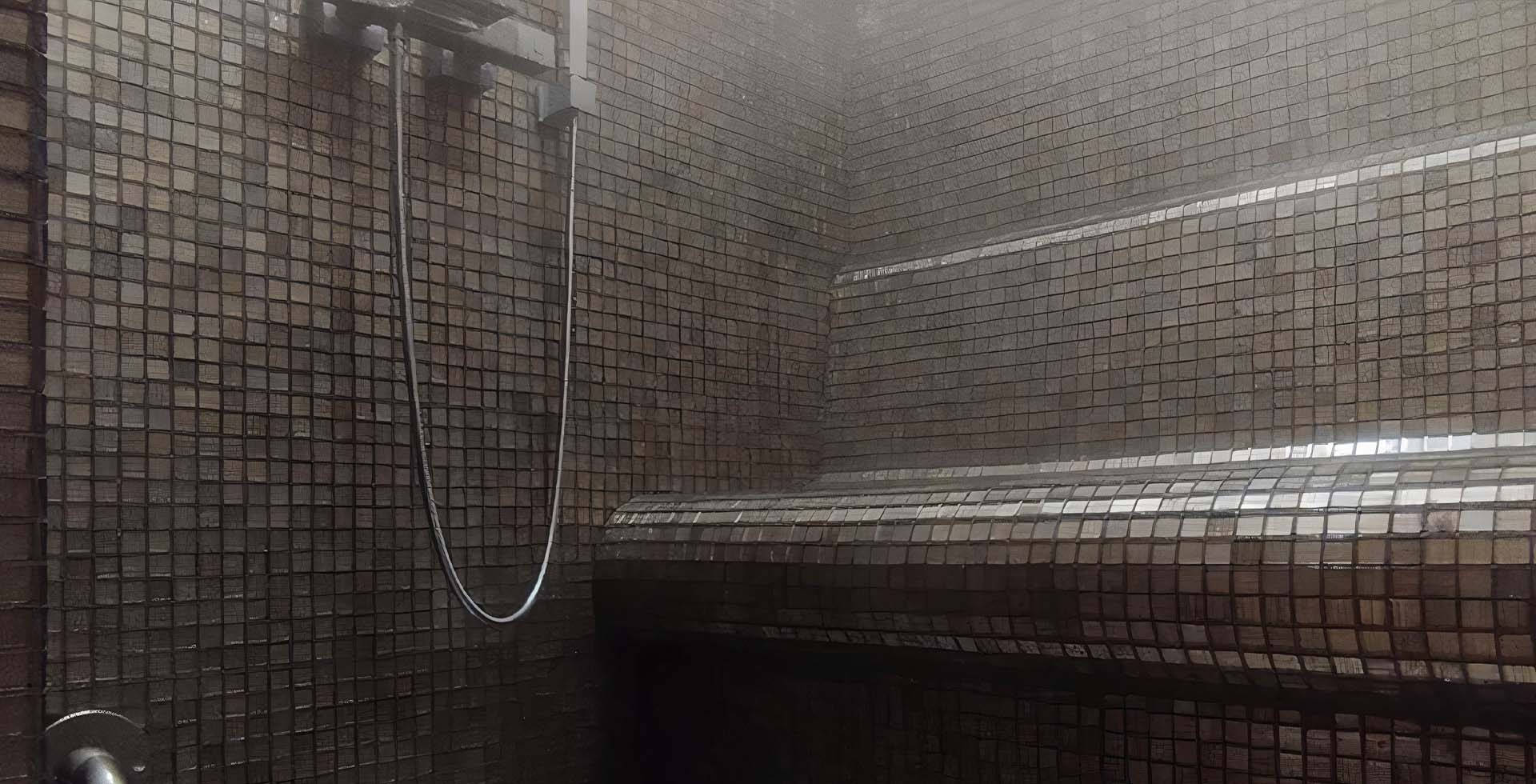
At Sauna Dekor Spa Solutions, we specialize in premium spa, wellness and longevity solutions tailored to your environment, personal preferences, and lifestyle—including steam room design and steam room installation.
📩 Ready to transform your dream into a wellness escape?
Contact Sauna Dekor Spa Solutionstoday for expert guidance and options.
{ “@context”: “https://schema.org”, “@type”: “FAQPage”, “mainEntity”: [ { “@type”: “Question”, “name”: “What defines a modern luxury spa today?”, “acceptedAnswer”: { “@type”: “Answer”, “text”: “A modern luxury spa is a core destination that integrates bespoke wellness experiences, advanced technology, architectural excellence, and sustainable practices to support holistic well-being.” } }, { “@type”: “Question”, “name”: “Why are spas now central to hospitality projects?”, “acceptedAnswer”: { “@type”: “Answer”, “text”: “Spas have become key attractions and revenue drivers, with guests choosing hotels and resorts specifically for wellness-focused experiences.” } }, { “@type”: “Question”, “name”: “How is personalization shaping spa development?”, “acceptedAnswer”: { “@type”: “Answer”, “text”: “Personalization enables tailored treatments, environments, and wellness programs that improve guest satisfaction, loyalty, and wellness outcomes.” } }, { “@type”: “Question”, “name”: “What role does architecture play in contemporary spa design?”, “acceptedAnswer”: { “@type”: “Answer”, “text”: “Architecture shapes spatial flow, sensory comfort, and emotional well-being through biophilic design, material selection, and natural light integration.” } }, { “@type”: “Question”, “name”: “What is biophilic design and why is it important for spas?”, “acceptedAnswer”: { “@type”: “Answer”, “text”: “Biophilic design incorporates natural elements to reduce stress, enhance relaxation, and strengthen the human-nature connection within spa environments.” } }, { “@type”: “Question”, “name”: “How are sustainability practices influencing spa construction?”, “acceptedAnswer”: { “@type”: “Answer”, “text”: “Sustainability influences material selection, energy efficiency, and water management, reducing environmental impact and operational costs.” } }, { “@type”: “Question”, “name”: “Which technologies are transforming modern spa experiences?”, “acceptedAnswer”: { “@type”: “Answer”, “text”: “Smart climate control, automated lighting, wearable health monitoring, and VR/AR technologies enable personalized and efficient spa experiences.” } }, { “@type”: “Question”, “name”: “What are the most in-demand spa facilities today?”, “acceptedAnswer”: { “@type”: “Answer”, “text”: “Hydrotherapy circuits, cryotherapy chambers, advanced skincare technologies, and integrated wellness zones are highly demanded in modern spas.” } }, { “@type”: “Question”, “name”: “How does lighting affect spa environments?”, “acceptedAnswer”: { “@type”: “Answer”, “text”: “Lighting affects mood, relaxation, and circadian rhythm, with adjustable and indirect lighting enhancing comfort and treatment effectiveness.” } }, { “@type”: “Question”, “name”: “What trends will shape the future of spa development?”, “acceptedAnswer”: { “@type”: “Answer”, “text”: “Future spa development will focus on holistic wellness, advanced technology integration, sustainability, and deeply personalized experiences.” } } ] }