
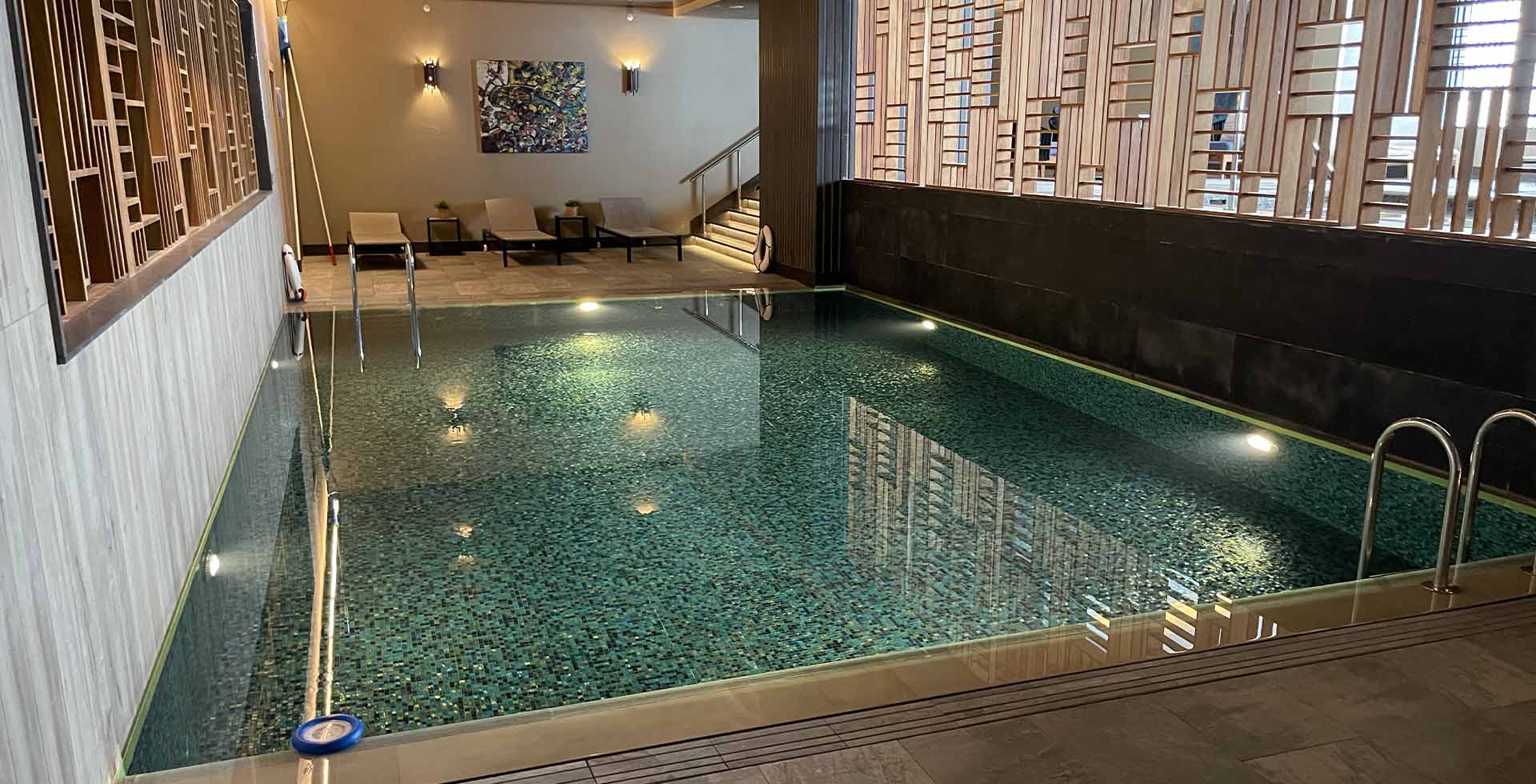
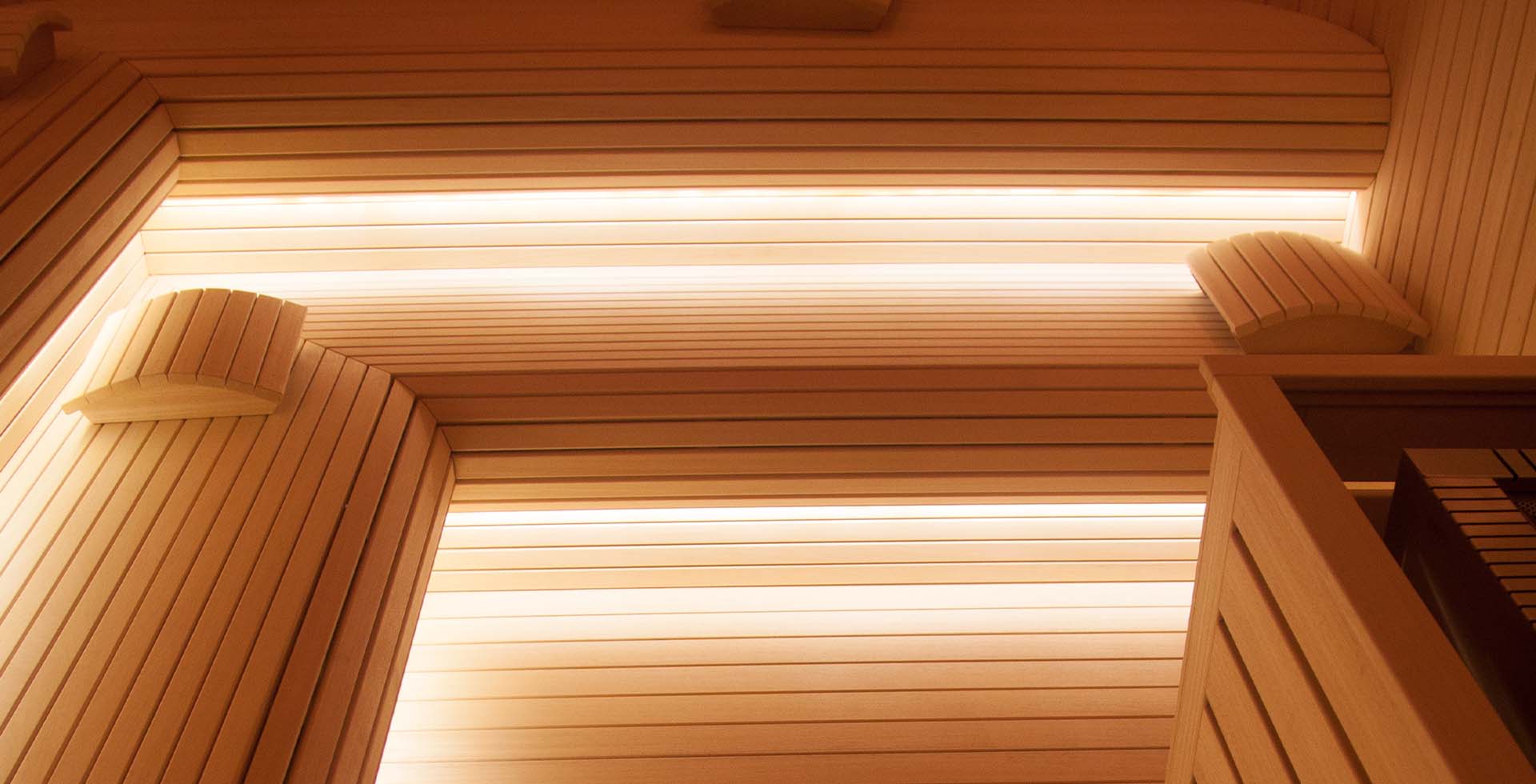
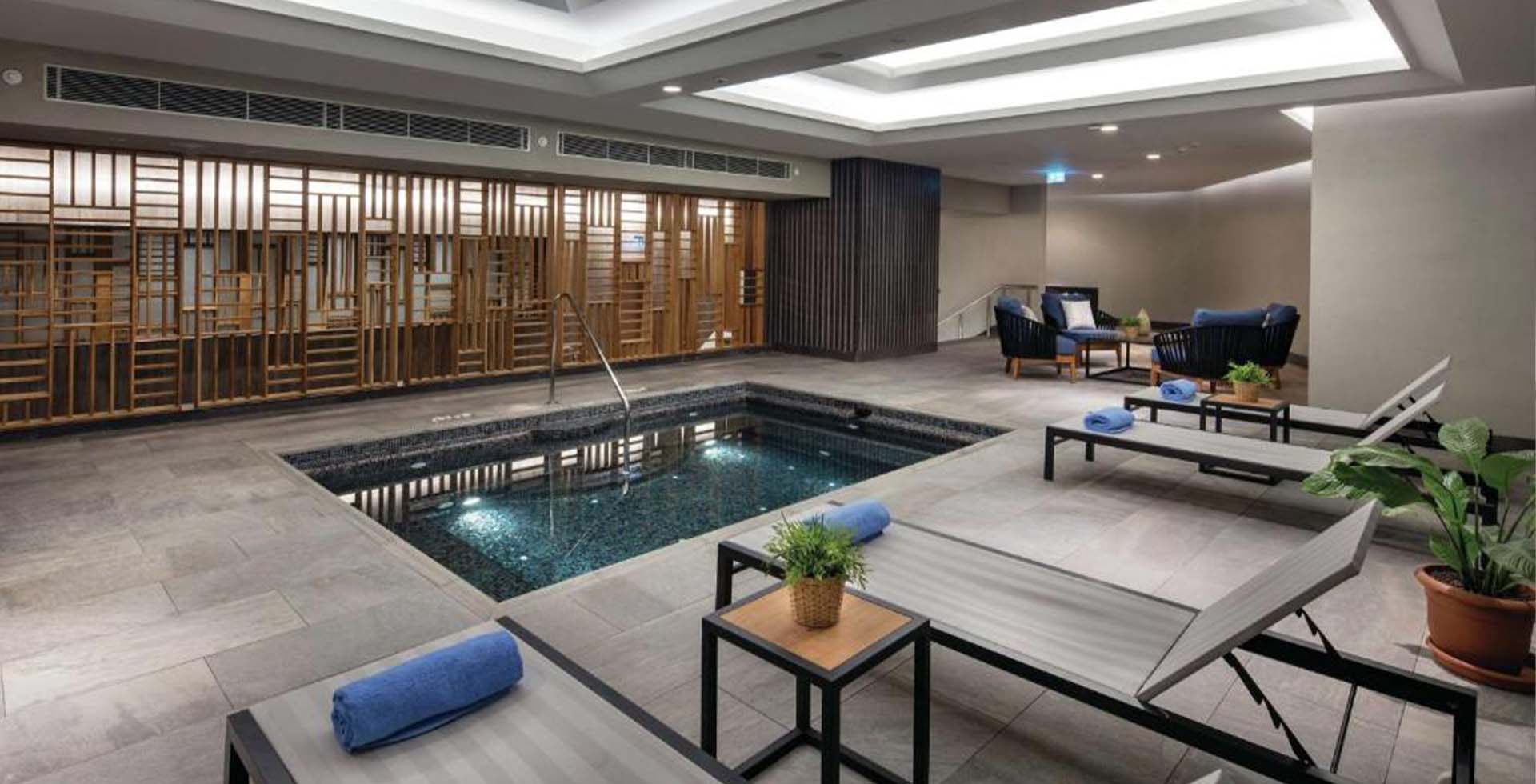
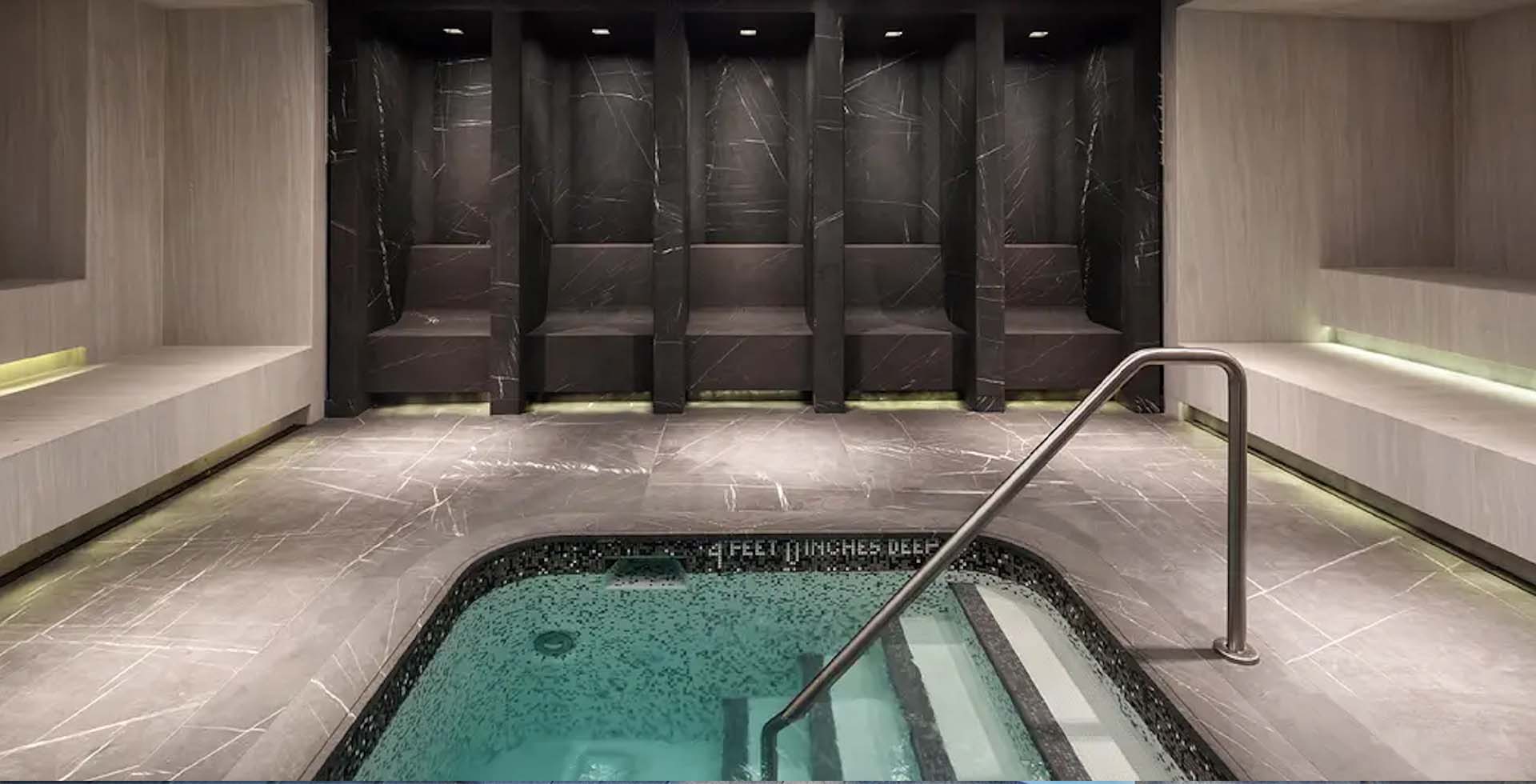
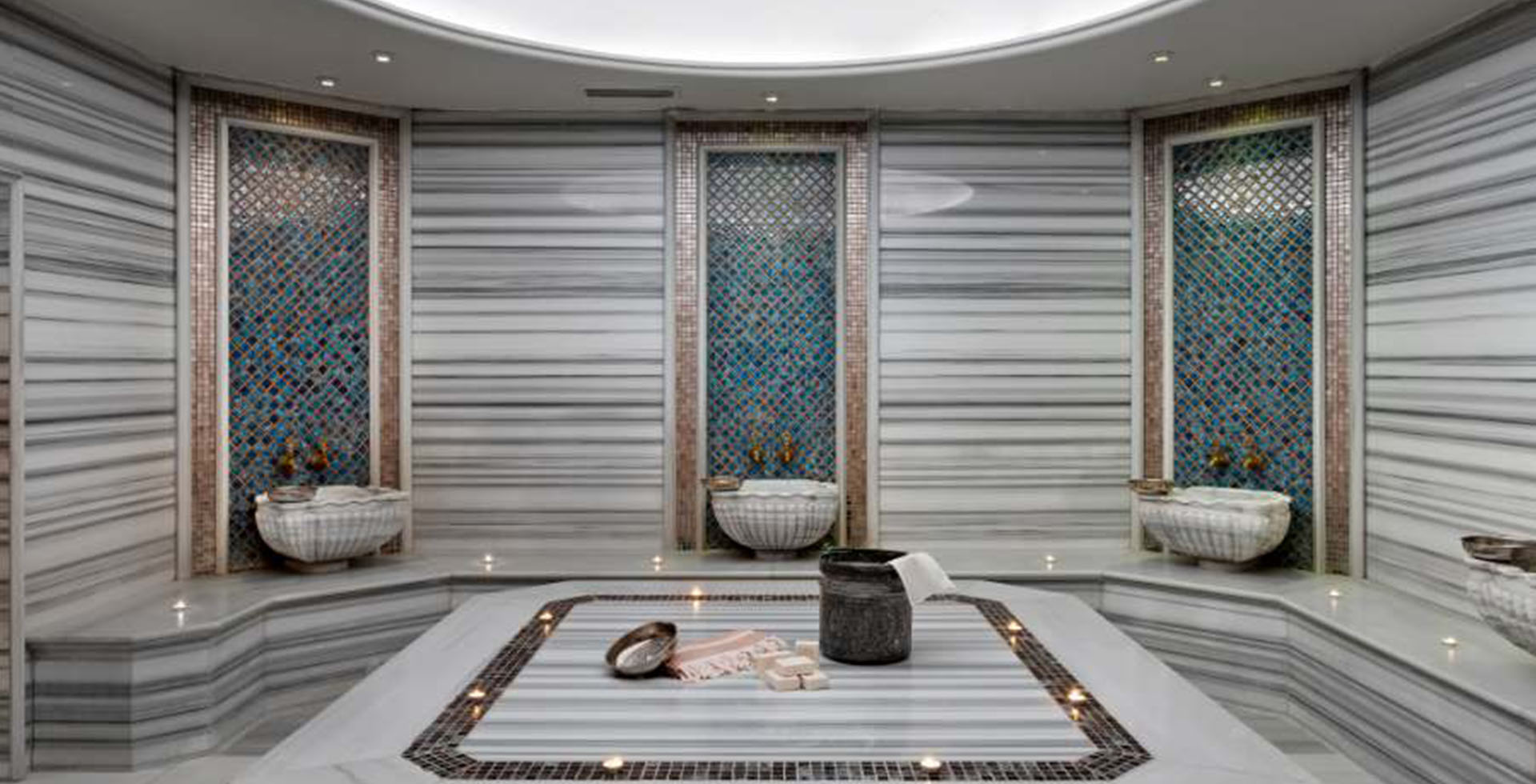
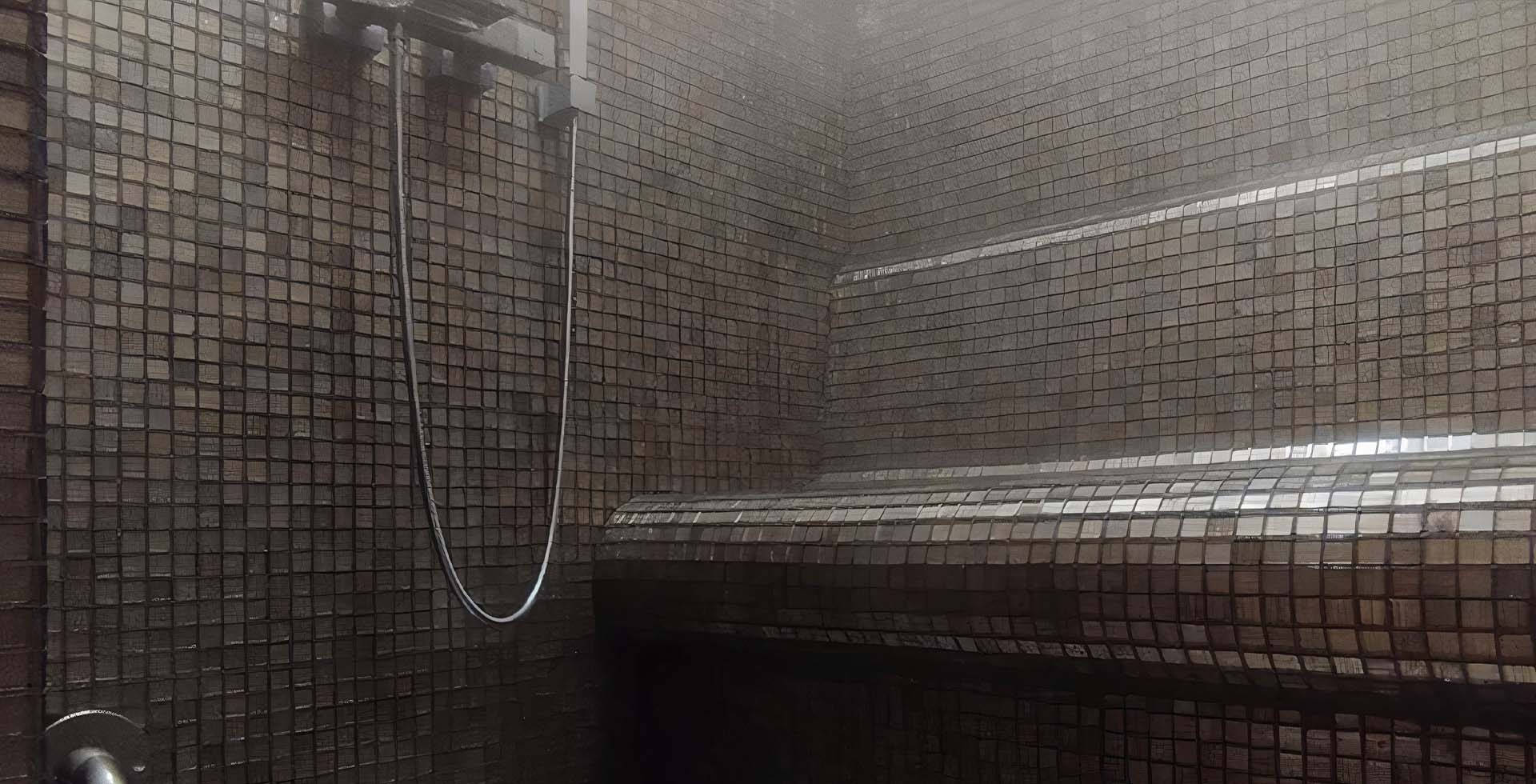
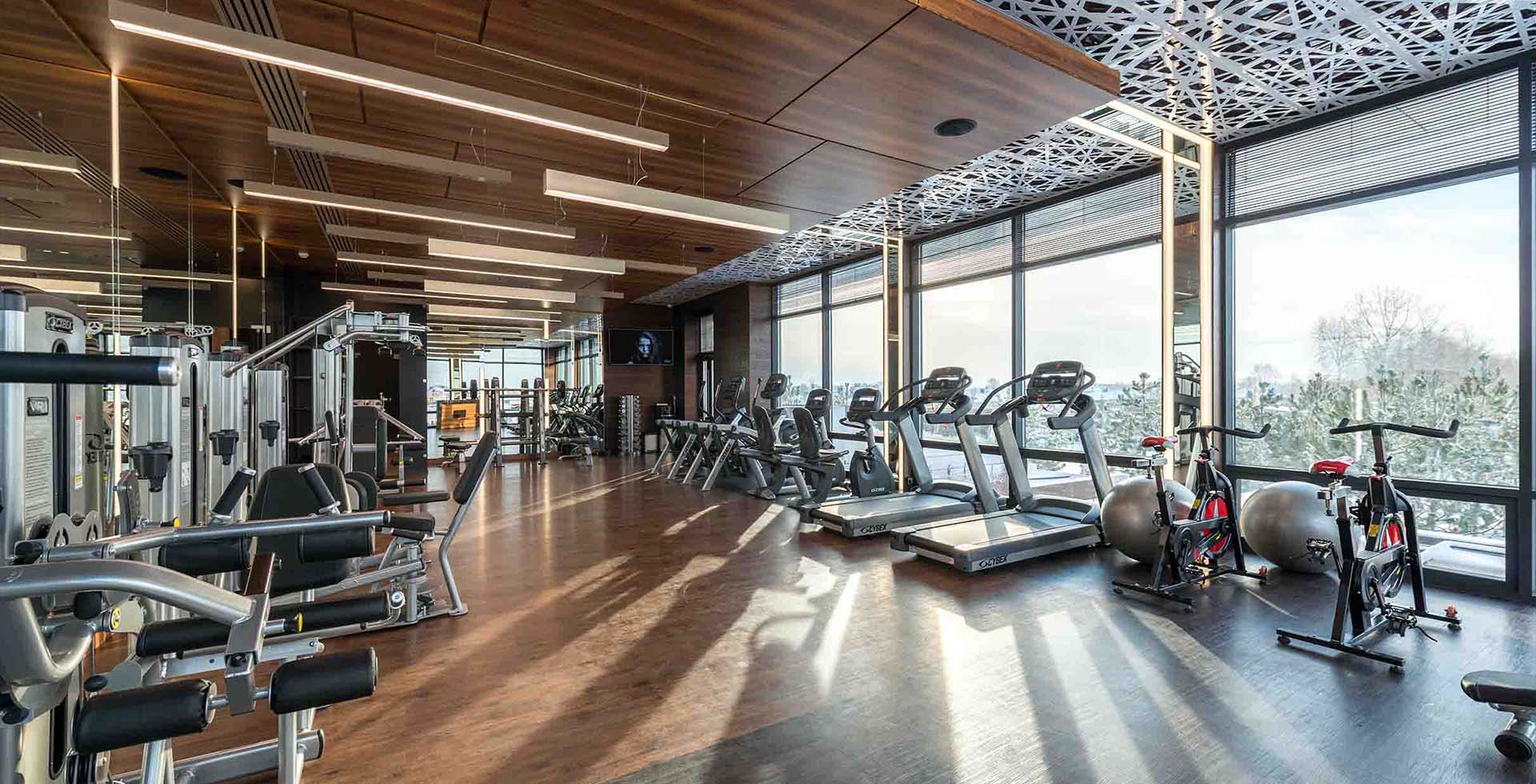
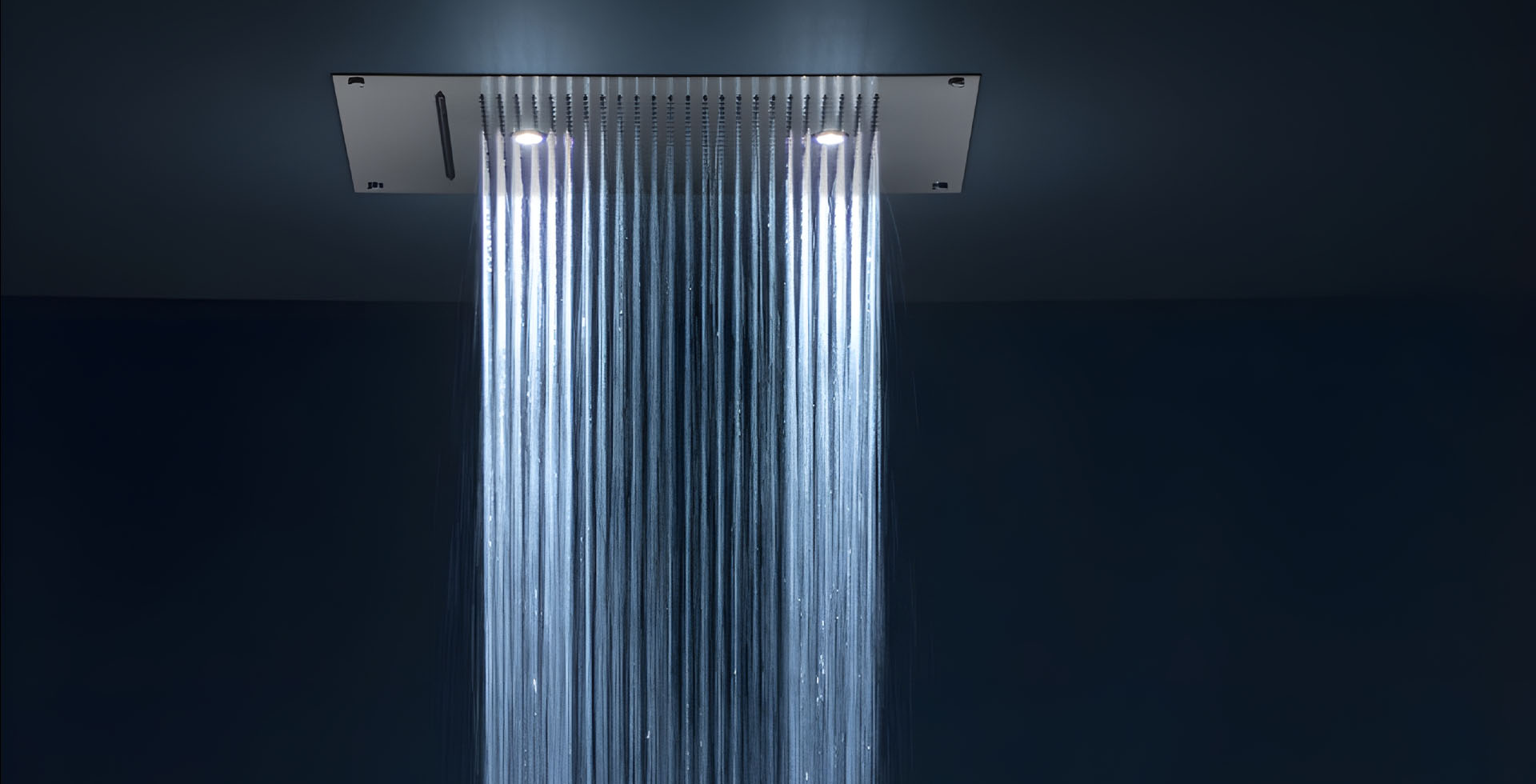


Creating a tranquil spa interior design is both an art and a science. It requires a delicate balance between aesthetic beauty and functional efficiency. Spa developers and architects face the challenge of crafting spaces that are visually stunning yet operationally sound. These principles guide interior design spa projects across all scales.
In today’s competitive market, luxury spa interior design must cater to discerning clientele. These clients seek environments that offer relaxation and rejuvenation. The integration of traditional wellness principles with modern engineering solutions is key, including luxury medical spa interior design where clinical standards meet comfort without sacrificing warmth or style.
Designing a spa involves more than just choosing decor. It requires a deep understanding of how space, light, and sound interact. These elements must work together to create a harmonious atmosphere and provide practical spa interior design ideas that adapt to different budgets and project sizes.
Successful spa interior design also considers cultural relevance. This ensures that the space resonates with a global audience. By focusing on these aspects, developers and architects can create spa environments that stand the test of time.
Summary
This guide explains how to design tranquil, luxurious spa interiors that seamlessly balance aesthetics and functionality. It covers material and finish selection, efficient systems (HVAC and acoustics), multi-sensory elements (lighting, sound, scent), wellness and biophilic principles, and calming decor. The text details spatial flow, technology integration, cultural relevance and personalization, and the latest trends shaping modern spas. It concludes with best practices for collaborating with professional designers to create enduring, operationally sound wellness spaces. You’ll also find concise spa interior design ideas and spa decor ideas you can adapt to your concept.
The Foundations of Spa Interior Design: Balancing Aesthetics and Functionality
Successful spa interior design begins with a focus on balance. Aesthetics and functionality must be seamlessly integrated. This ensures that the spa is as beautiful as it is practical.
Key elements of this balance include the use of high-quality materials. These materials should not only be visually appealing but also durable. This approach enhances both the look and longevity of the spa.
To achieve this balance, consider the following aspects:
- Durable materials that withstand moisture and use.
- A layout that promotes smooth client movement.
- Features that serve both aesthetic and functional purposes.

Integrating engineering solutions is crucial. High-efficiency HVAC systems maintain a comfortable atmosphere. This ensures clients enjoy an optimal spa experience.
Collaborating with experts can further enhance your design. Professionals bring specialized knowledge. They ensure that every element contributes to both beauty and functionality. This holistic approach results in a captivating and operationally sustainable spa.
Key Elements of Luxury Spa Interior Design
Luxury spa interior design is characterized by sophistication and elegance. This involves the thoughtful selection of materials and finishes, which convey opulence and comfort. A refined color palette further enhances the ambiance, promoting relaxation.
Textures play a significant role in creating depth and interest. Combining smooth and rough surfaces can provide a rich sensory experience. This approach adds a layer of complexity to the overall design.
To achieve a luxurious atmosphere, consider incorporating the following elements:
- High-quality natural stones and woods.
- Plush textiles, such as velvets and silks.
- Artisan-crafted fixtures and fittings.

Focus on the details to create a cohesive design. This includes selecting furniture that complements the spa’s theme and enhances comfort. Customized pieces can add unique flair and bespoke appeal.
For luxury medical spa interior design, prioritize hygienic, non-porous surfaces, seamless detailing, and durable finishes that meet clinical standards while maintaining a welcoming, calming aesthetic.
Lastly, don’t overlook the importance of spatial design. A well-thought-out layout can enhance the feeling of luxury. It allows for privacy while providing easy access between different spa areas. This seamless flow contributes to a tranquil and exclusive client experience.
Integrating Wellness Space Design Principles
Wellness space design focuses on holistic health and relaxation. In interior design spa settings, it’s about creating environments that support physical, mental, and spiritual well-being. This involves a careful balance between aesthetic beauty and functional harmony.
Natural elements are crucial in wellness design. Incorporating features like water and greenery can enhance the soothing atmosphere. Such elements also help in reducing stress and promoting relaxation.
Key principles to consider include:
- Ergonomic furniture for comfort.
- Open spaces to encourage flow.
- Incorporation of water features for tranquility.
Lighting should be adaptable. It plays a vital role in setting the mood and can be adjusted for different times of day. Soft, diffused light can create calmness.
Finally, acoustics matter immensely. Minimizing noise pollution ensures a peaceful environment. By integrating these wellness principles, spa designs can offer a holistic and rejuvenating experience to all clients.
Spa Decor Ideas: Creating a Calming Atmosphere
Creating a calming atmosphere in a spa is essential for client relaxation. The right decor can transform a space into a sanctuary of peace. Choosing the right elements ensures a serene environment.
Color palettes play a significant role. Soft, muted colors like pastels and earth tones can soothe the senses. These hues promote relaxation and a sense of tranquility.
Incorporate textures that enhance the overall calming effect. Use natural materials such as wood, stone, and soft fabrics. These create a connection to nature, amplifying the spa’s ambiance.
Key decor ideas include:
- Minimalist and clutter-free spaces.
- Art pieces that inspire peace.
- Use of candles and soft lighting.

by POOJAN THANEKAR (https://unsplash.com/@poojanclicks)
Lastly, placement is crucial. Arrange furniture and decor to facilitate flow and comfort. This encourages relaxation and maximizes the spa experience. A thoughtful combination of these decor ideas creates an inviting and comforting atmosphere. These spa interior design ideas support a calming brand identity and a consistent guest journey.
Lighting, Acoustics, and Scent: Multi-Sensory Experiences
Creating a multi-sensory experience in spa interior design enhances client relaxation. Key elements include lighting, acoustics, and scent. Together, these factors craft an immersive escape from daily stresses.
Lighting sets the mood and evokes a sense of calm. Use adjustable, soft lighting that can shift from bright to dim. Lighting should adapt to different treatments and relaxation settings.
Sound is just as important. Gentle acoustics help mask disruptive noises and reinforce tranquility. Use soundproofing materials and play soothing music or ambient nature sounds. Effective acoustics create an enveloping cocoon of peace.
Scents further deepen the sensory experience. Aromatic elements should be subtle yet potent. Consider using:
- Essential oil diffusers.
- Scented candles.
- Fresh, calming fragrances like lavender.

by Flavio Anibal (https://unsplash.com/@flavioanibal1)
Harmonizing these sensory elements is crucial. Together, they create a serene environment where clients can truly unwind and rejuvenate.
Incorporating Nature: Biophilic and Sustainable Design
Integrating nature into spa interior design enhances both aesthetics and well-being. Biophilic design connects clients with nature, fostering tranquility and health. This approach can transform spa environments into rejuvenating havens.
Utilizing sustainable materials is key. These choices reduce the ecological footprint and add natural beauty. Selecting materials like reclaimed wood or bamboo aligns with eco-friendly practices and enriches the spa’s ambiance.
Greenery and water features bring the outdoors inside. Consider implementing:
- Living walls filled with plants.
- Indoor water fountains.
- Skylights for natural lighting.

by HUUM (https://unsplash.com/@huumsauna)
These elements create a vital connection to nature within the spa. Incorporating natural elements enhances client experiences while supporting sustainability, establishing a fresh and relaxing environment.
Spatial Layout and Flow: Designing for Seamless Experiences
The spatial layout is crucial for a spa’s functionality and atmosphere. A well-designed flow ensures clients move effortlessly through the space. This thoughtful planning enhances relaxation and efficiency.
Consider zoning different areas for specific functions. Treatment rooms should be private yet accessible. Lounging spaces can transition smoothly into therapy areas, promoting a harmonious experience.
Some layout tips include:
- Centralized reception for easy navigation.
- Clear signage for intuitive movement.
- Open pathways to connect zones.
Integrating a seamless flow elevates the spa experience, making it intuitive and enjoyable. This thoughtful design ensures that every visit feels natural and relaxed, enhancing client satisfaction and operational success.
Technology and Innovation in Modern Spa Interiors
Modern spas are integrating technology to enhance client experiences. Innovative solutions streamline operations and elevate relaxation. From smart mirrors to digital detox zones, technology plays a vital role.
Introducing personalized therapies through digital analysis is gaining traction. Clients appreciate treatments tailored to their specific needs. This customization enhances satisfaction and retention.
Key technological elements include:
- Interactive touchscreens for selecting treatments.
- Energy-efficient smart lighting systems.
- Virtual reality experiences for relaxation.
Implementing technology adds a unique dimension to spa interiors. It creates an engaging environment while maintaining a serene ambiance. These advancements ensure that spas remain at the forefront of wellness innovation.
Cultural Relevance and Personalization in Spa Design
Incorporating cultural elements in spa design captivates diverse clientele. Local art, materials, and traditions can enrich the environment significantly.
Cultural sensitivity resonates with global audiences, reflecting authenticity. Designing with local relevance fosters a unique identity.
Essential elements for personalization include:
- Incorporating regional motifs and patterns.
- Offering culturally inspired treatments.
- Using native materials and craftsmanship.
Personalization elevates the client experience through thoughtful design choices. By integrating cultural aspects, spas create spaces that are both familiar and exotic. This approach enhances client engagement and loyalty.
Trends in Spa Interior Design: What’s Shaping the Future
Spa interior design is evolving with new and emerging trends. Current spa design trends show how technology and sustainability together elevate guest comfort and operational efficiency.
Eco-conscious design remains a top priority. Sustainable materials and energy-efficient systems are increasingly popular in modern spa designs.
Key trends include:
- Integration of smart technology.
- Focus on eco-friendly design elements.
- Minimalist and sleek aesthetics.

by Peter Muniz (https://unsplash.com/@petepxl)
Designers are also exploring multi-sensory experiences. Lighting, scent, and acoustics combine to create immersive environments. Staying ahead of these trends ensures that spas appeal to the luxury market while maintaining relevance and innovation.
Collaborating with a Spa Interior Design Company: Best Practices
Working with a professional spa interior design company can elevate your project. Their expertise ensures a harmonious balance between aesthetics and functionality. Whether you’re searching for a spa interior design company (often typed as “spa interrior design company” or “spa interrior design”), partnering with specialists helps align vision, compliance, and guest experience.
To make the collaboration effective, consider these best practices:
- Clearly define your goals and expectations.
- Maintain open and regular communication.
- Collaborate on creative ideas and solutions.

by Yolk CoWorking – Krakow (https://unsplash.com/@yolk_coworking_krakow)
Choosing experienced designers can provide insights into trends and materials. This partnership not only enhances the project’s outcome but also enriches the client’s experience, ensuring long-term success and satisfaction.
Conclusion: Crafting a Lasting Wellness Experience
Creating a tranquil spa interior design requires more than style. It involves harmonizing design with wellness principles and practical functionality.
Focus on the details, from lighting to acoustics, ensuring every element serves a purpose. This approach fosters an environment where clients feel relaxed and rejuvenated.
By embracing innovation while respecting cultural nuances, you create memorable spaces. Ultimately, this enhances the client’s wellness journey, fostering loyalty and satisfaction for years to come. Engaging interior design spa specialists can help maintain both craft and consistency across locations.
FAQ: Creating a Tranquil Spa Interior Design
1) What makes a spa interior feel truly “tranquil” (not just beautiful)?
A tranquil spa combines visual calm + sensory control + operational comfort. That means soft lighting, quiet acoustics, clean sightlines, natural textures, and a layout that reduces stress (easy navigation, privacy, and smooth transitions between zones).
2) Which materials are best for luxury spa interiors in high-moisture areas?
Prioritize moisture-resistant, low-maintenance, and non-slip finishes: sealed natural stone, porcelain tiles with slip rating, treated woods, solid surface materials, and high-performance paints/coatings designed for humid environments.
3) How do I choose the right color palette for a calming spa atmosphere?
Use muted, nature-inspired tones (warm neutrals, stone, sand, soft greens) and limit high-contrast accents. The goal is a consistent visual rhythm that supports relaxation and doesn’t overstimulate.
4) How important are acoustics in spa interior design?
Extremely. Noise breaks relaxation instantly. Use sound-absorbing finishes, insulation where needed, acoustic panels in ceilings/walls, soft furnishings, and separation between loud zones (mechanical rooms, reception) and quiet zones (treatment, relaxation).
5) What lighting strategy works best for a spa?
Layer lighting:
- Ambient (soft general light)
- Task (treatment-focused illumination)
- Accent (highlight textures, water, greenery)
- Add dimming and warm temperature options so the mood can shift by time of day and treatment type.
6) How should spa layout and flow be planned for a premium experience?
Plan clear zoning: reception → changing → wet/heat zones → treatment → relaxation → exit. Keep staff/service circulation efficient and separate where possible. Clients should feel guided naturally without confusion.
7) How can I add biophilic design without overcomplicating the space?
Start simple: natural materials, plants, daylight access, stone/wood textures, and one strong element (living wall, indoor fountain, or skylight). Biophilic design works best when it’s integrated, not decorative clutter.
8) What technology upgrades actually improve the spa experience?
Focus on “invisible” comfort: smart lighting scenes, energy-efficient HVAC control, humidity management, and quiet ventilation. Add guest-facing tech only if it supports calm (e.g., discreet treatment selection screens, not flashy displays).
9) How do I balance cultural relevance with a modern luxury look?
Use cultural elements through patterns, materials, and rituals—subtle motifs, local craftsmanship, and regionally inspired treatment concepts—while keeping the overall design language clean and contemporary.
10) When should I hire a spa interior design company or specialist?
If your project includes multiple zones (wet areas, treatment rooms, mechanical constraints, acoustics, or premium hospitality standards), a specialist helps ensure the space is operationally correct, code-aware, and aligned with the intended client journey. If you’ve been searching for “spa interrior design” or “spa interrior design company,” you’re likely ready to engage an expert partner.
At Sauna Dekor Spa Solutions , we specialize in premium spa, wellness and longevity solutions tailored to your environment, personal preferences, and lifestyle.
📩 Ready to transform your dream into a wellness escape?Contact Sauna Dekor Spa Solutionstoday for expert guidance and options.

