





Building a Sauna in Your Home
Building a sauna in your home can transform your space into a personal wellness retreat. Imagine stepping into a warm, inviting sauna after a long day. The sauna benefits extend beyond relaxation, offering health perks like improved circulation and stress relief.
Creating a home sauna is a rewarding DIY sauna project. It allows you to customize the sauna design to fit your style and space. Whether you’re building a Finnish sauna or opting for a modern design, the possibilities are endless.
This guide will walk you through the process. From choosing sauna materials to construction tips and reviewing sauna plans or building plans for a sauna, you’ll find everything you need. Get ready to enjoy the luxury of a sauna in the comfort of your home.
Summary
This guide explains the benefits of a home sauna, compares types (Finnish, infrared, portable sauna), and helps you plan location, size, and layout. It details essential materials and tools, then walks through framing and insulation, installing the heater and stones, and building doors and benches. Safety, ventilation, and electrical considerations are emphasized, alongside sauna design customization and maintenance tips. Budgeting guidance and DIY vs. professional options round out the path to creating a personal wellness retreat, including plans for building a sauna if you’re starting from scratch.
Why Build a Sauna at Home? Health and Lifestyle Benefits
A home sauna offers numerous health advantages. These sauna benefits include improved circulation by dilating blood vessels, leading to better cardiovascular function. The heat also promotes detoxification, aiding the body in expelling toxins through sweat.
Beyond the physical benefits, saunas can greatly enhance mental health. Regular sessions can reduce stress and provide a serene space for meditation. The calming heat assists in clearing the mind, fostering relaxation.
Additionally, having a sauna at home is a lifestyle upgrade. It creates a personal retreat, perfect for unwinding anytime. You save on spa visits and enjoy the convenience of immediate access.
Consider these key benefits of having a home sauna:
- Improved blood circulation
- Detoxification and skin health
- Stress relief and mental clarity

Choosing the Right Sauna: Types and Design Options
Selecting the right sauna involves understanding different types available. The most common are traditional Finnish, infrared, and portable sauna models. Each offers unique benefits and fits various needs and spaces.
Finnish saunas are classic, using dry heat and high temperatures. If you’re building a Finnish sauna, you’ll need more space and proper ventilation, but you’ll get an authentic experience. Infrared saunas, on the other hand, use radiant heat, which penetrates the skin deeply.
Portable saunas are ideal for small spaces or temporary setups. They are easy to install and remove, offering flexibility for renters. Consider the available space and personal preferences when choosing a sauna type.
When it comes to sauna design options, customization is key. Whether minimalist or elaborate, saunas can reflect personal style. Here are some design elements to consider:
- Wood types: cedar, hemlock, spruce
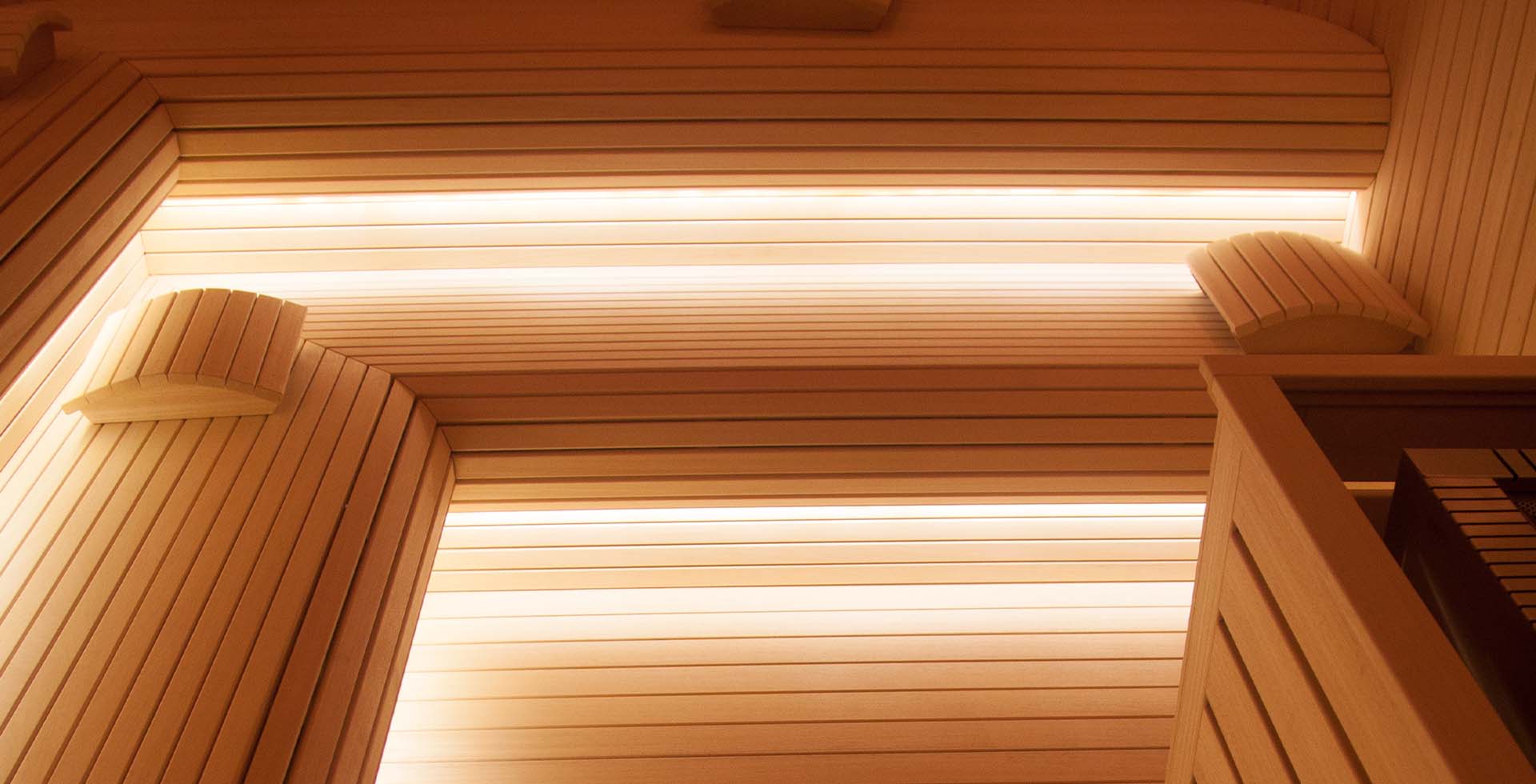
- Lighting: LED, ambient, colored
- Amenities: sound systems, aromatherapy dispensers

Planning Your Home Sauna: Location, Size, and Layout
The first step in planning your home sauna is choosing the right location. Consider available space and proximity to utilities. Both indoor and outdoor sauna options are viable, depending on your home layout.
When determining size, think about how many people will use it at once. A home sauna typically accommodates 2 to 4 people comfortably. Smaller saunas require less space but might not offer the same experience.
Layout planning should focus on functionality and comfort. Ensure there is adequate room for seating and movement. Access to a nearby shower or bathroom can enhance convenience.
Here are key factors to consider in planning:
- Ventilation and drainage
- Accessibility for all users
- Insulation for energy efficiency
If you’re building a backyard sauna, visualize how your sauna integrates with existing home features for a seamless experience.

by Georges Toiansky (https://unsplash.com/@cognipic)
Essential Sauna Materials and Tools
Choosing the right sauna materials and tools is vital for building a sauna. Durability and resistance to moisture are crucial. Cedar, hemlock, and spruce are popular choices for their longevity and fragrance.
Alongside wood, insulation materials such as foil and fiberglass keep heat from escaping. This ensures your sauna maintains the desired temperature efficiently.
Essential tools simplify construction. Basic carpentry tools will suffice for most tasks, but specialized tools can improve precision and ease.
Key materials and tools include:
- Cedar or hemlock wood
- Foil-backed insulation
- Sauna heater and stones
- Hammer, saw, and drill
- Measuring tape and level
When sourcing materials, prioritize quality to ensure a safe and enjoyable sauna experience. Proper preparation and selection of materials will contribute significantly to your sauna construction success.

by John Cardamone (https://unsplash.com/@john_cardamone)
Step-by-Step Guide: Building a Sauna in Your Home
Building a sauna involves several stages, each crucial for a durable and functional outcome. If you already have sauna plans or plans for building a sauna, review them before starting to ensure measurements and details are accurate. Begin by framing the sauna’s structure. This forms the skeleton that supports all other components.
Insulating well keeps heat inside, creating a more efficient sauna. Next, install the heater and arrange sauna stones for optimal heat distribution. Finally, attention to detail in door construction is essential to retain warmth.
Framing and Insulation
Start with framing the walls. Use sturdy wood and make sure it’s straight and level. Secure the frame firmly to prevent shifting.
After framing, insulate the sauna. This step prevents heat loss and ensures energy efficiency. Use high-quality insulation materials that can withstand the sauna’s heat and humidity.
Key steps for framing and insulation:
- Cut and assemble the wood framing
- Attach the frame securely to the floor and ceiling
- Apply foil-backed insulation between studs

by Daniil Silantev (https://unsplash.com/@betagamma)
Installing the Sauna Heater and Stones
The heater is the heart of your sauna, generating the steam and heat. First, determine the type—electric, wood-burning, or infrared—and install it according to manufacturer’s instructions.
Place stones on top of the heater, as they absorb and release heat effectively. Stones should be evenly distributed, ensuring consistent heat throughout the sauna.
Steps for installing heater and stones:
- Select the appropriate heater type for your design
- Follow installation guidelines for safety
- Arrange sauna stones on top of the heater

by Alexander Mass (https://unsplash.com/@alexandermassph)
Building a Sauna Door and Benches
The sauna door should be snug and heat-tight. A poor-fitting door can disrupt the sauna’s efficiency. Consider using a glass panel for aesthetics and light entry.
Benches are vital for comfort. Ensure they are stable and made from heat-resistant wood. Arranging benches at various heights can create different heat zones.
When building a sauna door, measure carefully and use hardware rated for high temperatures and humidity for long-term reliability.
Steps for building a door and benches:
- Measure and cut materials for the door
- Install the door with a tight seal
- Construct benches from smooth, durable wood

by TAEHEE (https://unsplash.com/@lucky_taehee)
By following these steps, your home sauna will be ready to offer relaxation and wellness benefits. Every component plays a role in creating your personal sanctuary.
Ventilation, Safety, and Electrical Considerations
Proper ventilation is crucial in maintaining a healthy sauna environment. Ventilation prevents moisture buildup and improves air quality. Without it, the sauna can become stuffy and uncomfortable.
Safety features should never be overlooked. Install heat-resistant materials and ensure all electrical components meet safety standards. This reduces fire risks and ensures durability.
Address electrical needs with care. Use a qualified electrician to handle wiring. This ensures compliance with local codes and reduces hazards.
Key considerations for sauna safety:
- Install a ventilation system for air circulation
- Use heat-proof materials to protect surfaces
- Ensure professional installation for electrical systems

by Real Therapy (https://unsplash.com/@realspatherapy)
Sauna Design Tips and Customization Ideas
Designing a sauna offers a chance to express your personal style. The choice of materials and features plays a significant role in creating a unique look. Options range from minimalist designs to more elaborate setups.
Incorporate customization features for an enhanced experience. Consider windows for natural light or a sound system for ambiance. Aromatherapy or mood lighting can further enrich the sauna atmosphere.
Remember, the focus should be on functionality and comfort. Balancing aesthetics with practicality is key to achieving a well-designed sauna.
Ideas for sauna customization:
- Install mood lighting for relaxation
- Use natural woods for a rustic feel
- Add a sound system or aromatherapy features

by Ryunosuke Kikuno (https://unsplash.com/@ryunosuke_kikuno)
Maintenance, Upkeep, and Sauna Tips for Longevity
Regular maintenance ensures your sauna performs well over time. Clean the interior after each use to prevent buildup. Inspect the wood for wear and address any issues promptly.
Sauna longevity depends on proper care. Use appropriate cleaning solutions and check heating elements regularly. Follow these sauna tips to maximize your sauna’s lifespan.
Key maintenance tips:
- Clean benches and floors consistently
- Check for wood damage and repair quickly
- Ensure proper ventilation to prevent moisture issues
Cost, Budgeting, and DIY vs. Professional Construction
Building a sauna at home requires financial planning. Costs vary based on materials and construction methods. Consider whether to pursue a DIY sauna or hire a professional contractor.
DIY projects can save money, but require time and skills. Professional builders offer expertise and efficiency but at a higher cost. Weigh your options carefully, especially for complex outdoor sauna builds.
Budget considerations:
- Material cost variations
- Time and skill requirements for DIY
- Professional labor fees and project timelines
Conclusion: Enjoying Your Home Sauna
Building a sauna in your home offers various rewards. It’s not just a valuable home addition but also a personal wellness sanctuary. Once completed, your home sauna becomes an inviting retreat for relaxation.
Commit to regular upkeep and embrace the serenity it provides. Enjoy the therapeutic heat, melting away stress, and emerging rejuvenated. Your journey to wellness starts here.
At Sauna Dekor Spa Solutions , we specialize in premium spa,wellness and longevity solutions tailored to your environment, personal preferences, and lifestyle.
📩 Ready to transform your dream into a wellness escape?
Contact Sauna Dekor Spa Solutions today for expert guidance and options.


